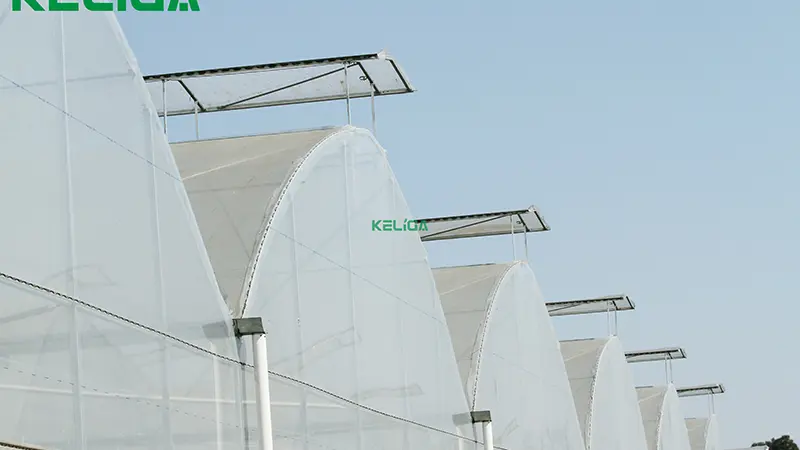
Vertical natural top plastic greenhouse

The cost and construction cost of substrate cultivation are the lowest in soilless cultivation, and its practicality is significantly better than other soilless cultivation models.

These types of greenhouses have a vertical shape, which allows for maximum utilization of space in small areas. The natural top refers to the use of sunlight for natural light and heat, rather than artificial lighting and heating systems.The plastic materials used in these greenhouses are typically transparent or translucent, allowing sunlight to penetrate and provide the necessary light for photosynthesis. This ensures that the plants receive sufficient light and can grow optimally. The plastic also acts as a barrier to protect the plants from harsh weather conditions, pests, and diseases.

  • Vertical natural top plastic greenhouses are popular among urban gardeners, as they can be easily set up in limited spaces, such as balconies or rooftops. They come in various sizes and designs, allowing for customization according to the available space and specific plant requirements. Some designs even have multiple layers or tiers, enabling the cultivation of a larger number of plants in a compact area.

  • To ensure proper ventilation and airflow, these greenhouses are equipped with windows or vents that can be opened or closed as needed. This helps in maintaining the right temperature and humidity levels for the plants’ growth. Additionally, some vertical natural top plastic greenhouses may include irrigation systems to provide water to the plants efficiently.

  • Overall, vertical natural top plastic greenhouses offer a practical and space-efficient solution for growing plants in urban areas. They allow individuals to enjoy gardening and reap the benefits of fresh produce, even when space is limited.

  • Component Category

    Sub‑system / Detail

    Cost Range (USD/m²)

    Typical Supplier Notes & Data Source

    1. Structure (Frame + Foundation)

    Hot‑dip galvanized steel frame (multi‑span, gutter‑connected) + concrete pier/pad foundation

    $8 – 11

    China‑ex‑works frame prices range $6–13/m² for basic multi‑span; $20–30 for heavy‑duty with foundations。

    2. Covering (PE Film)

    Single layer 150 µm UV‑stabilized PE film ($2–4/m²) or double‑layer inflated PE film ($3–6/m²) for better insulation

    $3 – 6 (installed)

    Basic plastic tunnel film cost: US$0.50–1.00/m² for raw material.

    3. Natural Ventilation System

    Motorized roof ridge vents + rack‑and‑pinion actuators + side roll‑up curtains

    $5 – 10

    Basic natural ventilation is inherent to design; motorized systems add $5–10/m²。

    4. Vertical Growing System

    Fixed NFT channels (basic: $15–25/m²) or vertical towers ($30–50/m²) or mobile racks ($30–45/ft² ≈ $320–480/m² for growing surface)

    $15 – 50

    Basic NFT: $15–25/m². High‑density vertical racks: $15–25/ft² growing area。

    5. Hydroponic Fertigation System

    Drip or recirculating irrigation + dosing pumps + EC/pH control + main piping

    $8 – 20

    Basic drip: $0.50–1.50/m². Complete fertigation (Chinese mid‑grade): $8–15/m².

    6. Shade / Screening (optional)

    External shade screen (manual: $4–8/m²; electric: $8–15/m²) or insect netting ($2–4/m²)

    $2 – 15

    Basic external manual shade: $4–8/m². Automated motorized: $8–15/m².

    7. Climate Automation (basic)

    Thermostat‑controlled vent actuators + timer‑based irrigation controller + basic sensor suite (temp/humidity)

    $5 – 15

    Automation adds significant cost; mid‑tier PLC controls: $10–25/m².

    8. Installation & Labor

    On‑site assembly of frame, covering, systems, commissioning (15–25% of total material cost in most regions)

    $8 – 25

    Construction labor typically 15% of total. $5–15/m² in China/Asia, $15–30/m² in Europe/US.

    9. Logistics & Delivery (optional)

    International shipping (FOB to CIF) + customs clearance + inland transport (highly variable by destination)

    $5 – 20+

    Depends heavily on project location; not included in base ex‑works estimates.

Structure Type Vertical natural top plastic greenhouse
Building Materials – Plastic/Polymer Film
– Steel/aluminum alloy bracket
– Concrete base
– Glass fiber reinforced plastic components
Building Dimensions – Length Width Height
– Floor area
Greenhouse Function Crop growth, plant protection, temperature and humidity control, light regulation, natural ventilation, warmth in winter, heat dissipation in summer
Greenhouse Design Features – Vertical structure, space saving
– Natural top design, taking advantage of natural light
– Ventilation system to regulate temperature and humidity
– Thin film material, lightweight and with high light transmittance
– Weather-resistant materials to adapt to various climate conditions
– Removable parts for easy maintenance and cleaning
– Efficient use of space, multi-layer planting
Cost Analysis – Construction costs
– Operation and maintenance costs
– Greenhouse efficiency and yield comparison
– Investment return cycle
– Investment risk assessment
Vertical Natural Top Plastic Greenhouse Project for Global Commercial Leafy Vegetable Vertical Farming

Blueberry growing

A Vertical Natural Top Plastic Greenhouse is ideal for growers who want to increase yield density (using vertical space) while minimizing energy costs (using natural light and passive ventilation). It is the most cost-effective entry point for commercial growers looking to modernize beyond traditional polytunnels without the high capital expense of a glass house or an indoor warehouse.
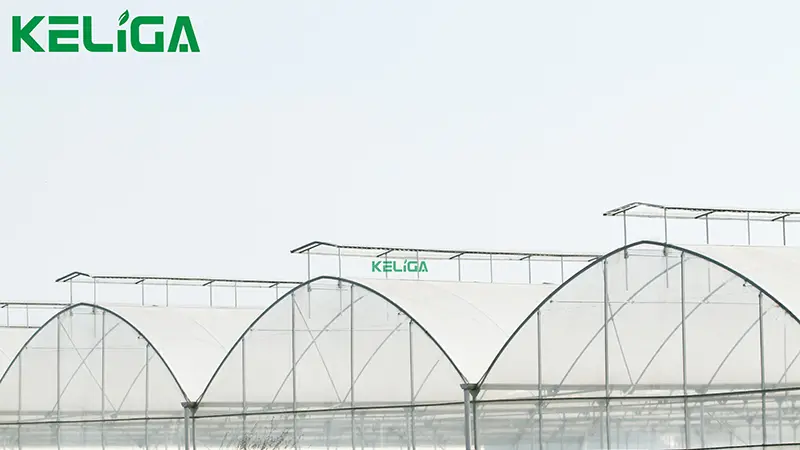
Space-Saving Vertical Natural Top Plastic Greenhouse for Small-Scale Family Fruit and Herb Growing

Rack and pinion control roof

Precision and Control Exact Positioning: Unlike cable systems that can stretch or slip, a rack and pinion system is rigid. It allows the climate computer to open vents to an exact percentage (e.g., 34.5% open). This precision is critical for maintaining exact humidity and temperature setpoints. No "Drift": Cables can loosen over time, causing vents to sag. Rack and pinion gears lock in place, ensuring the vent stays exactly where the motor put it, even in windy conditions.
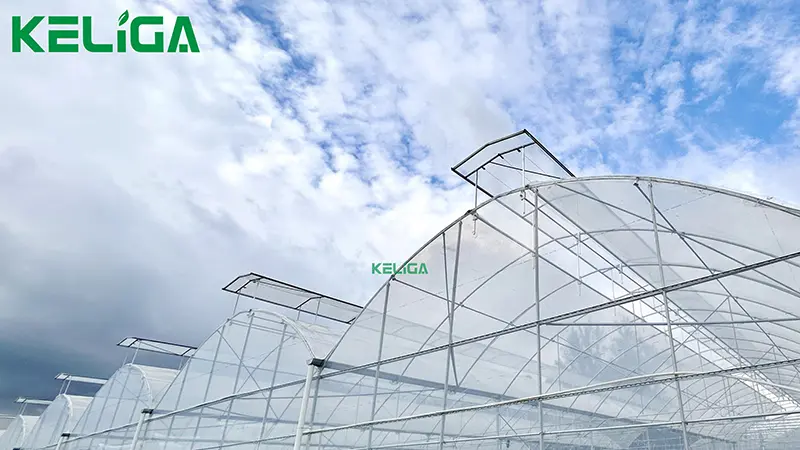
Smart Irrigated Vertical Natural Top Plastic Greenhouse for Global Agricultural Seedling Nursery Production

Ventilation are bigger wider

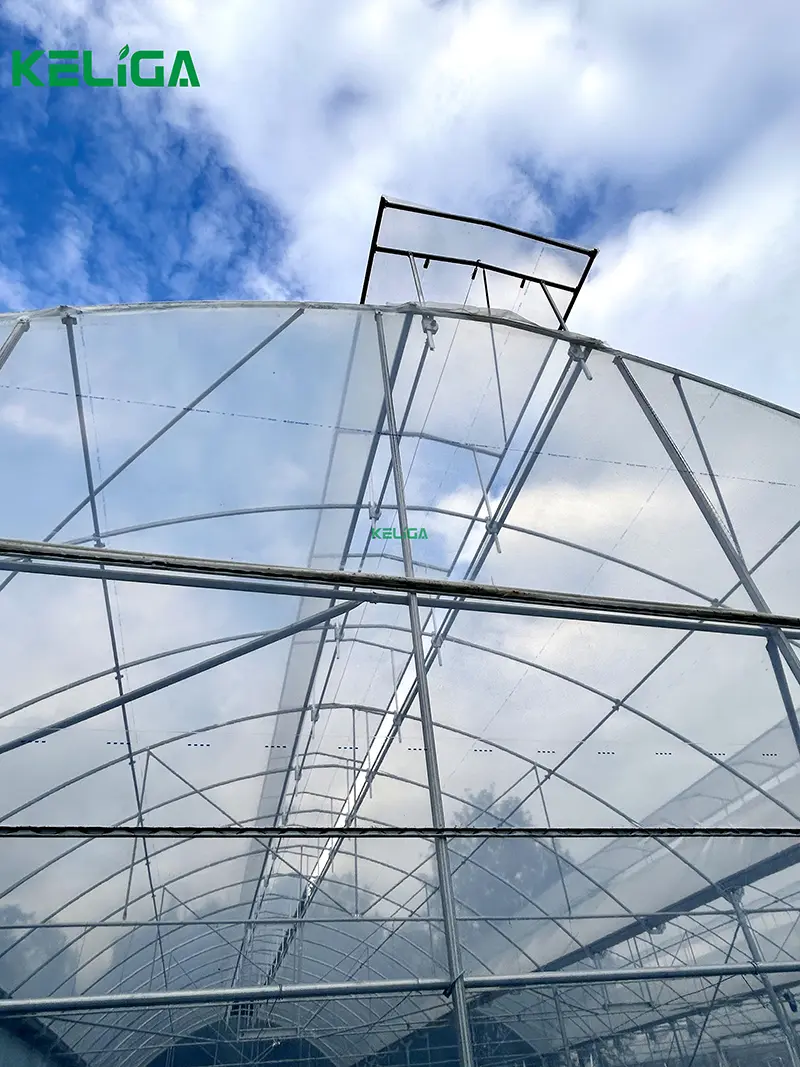
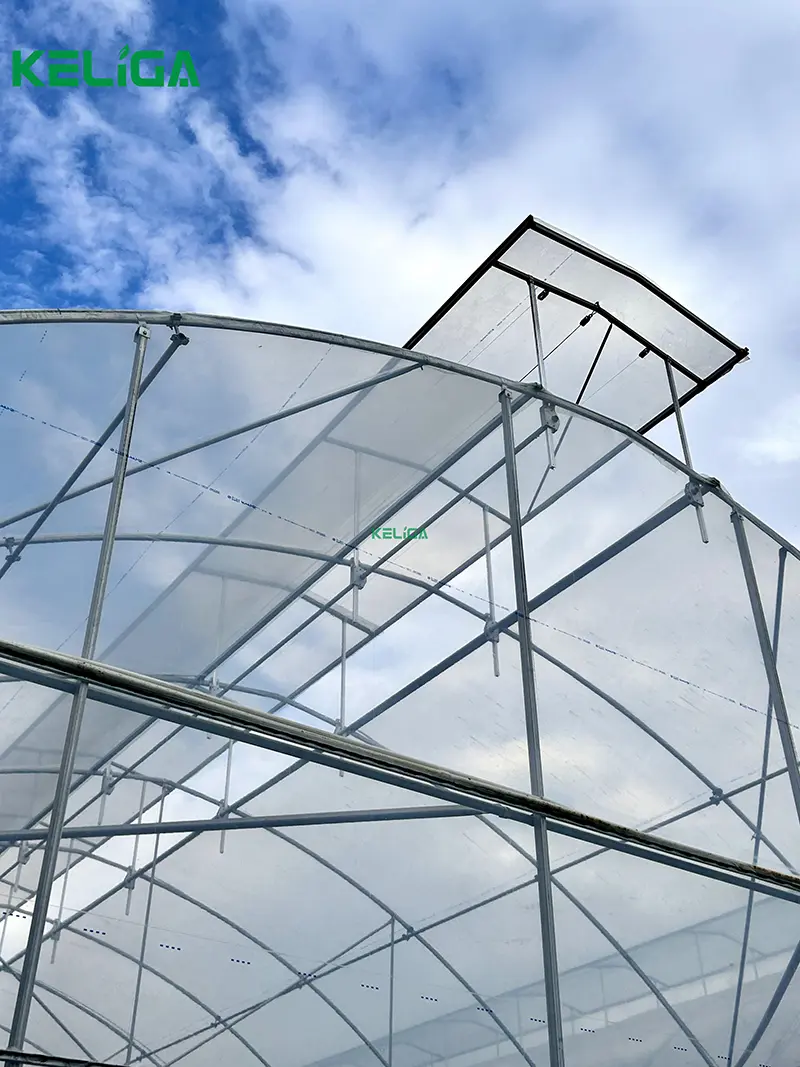
The top vertical rack and pinion ventilation system offers a wider ventilation area than traditional designs. Since hot air rises, the vertical ventilation system allows for ventilation from both sides. The moment the top vertical ventilation system opens, the hot air inside the greenhouse is rapidly expelled outdoors, achieving more efficient ventilation.
Vertical natural top plastic greenhouse advantage

Vertical natural top plastic greenhouse advantage details

Passive Cooling (Stack Effect)

A roof equipped with natural vent windows allows hot air to rise and escape. This draws cooler air in through side vents. This reduces reliance on electric exhaust fans, lowering energy costs.

Energy Savings

ou get the free light of a greenhouse, reducing the electricity bill associated with indoor vertical farms by 30–50%.

Climate Buffer

The greenhouse acts as a buffer zone. It is easier to climate-control a smaller insulated room inside a greenhouse than it is to control a massive warehouse.

Summer Heat

In very hot climates, a natural top greenhouse can overheat quickly without shade screens or active cooling (foggers).

Airflow & Climate Control

Vertical walls allow for more predictable air circulation patterns. It is easier to install horizontal airflow (HAF) fans to prevent humidity pockets and disease.

Long Lifespan

Made from galvanized steel or aluminum, these systems are resistant to UV degradation and corrosion. They typically last 15–20 years with minimal maintenance, whereas plastic cables degrade faster.

Vertical natural top plastic greenhouse project case

Customized Vertical Natural Top Plastic Greenhouse Project for Global Sightseeing Agri-Tourism Parks
Modular Assembled Vertical Natural Top Plastic Greenhouse for Fast Global Urban Farm Construction

Our Process

Steps to Your Greenhouse

1. Consult

We begin with a personalized consultation to capture your vision and needs.

2. Design

Our experts craft a detailed plan with eco-friendly practices for your approval.

3. Execute

Our skilled team transforms your space with precision and care.

Heat Dissipation Vertical Natural Top Plastic Greenhouse for Global Tropical High-Temperature Farm Zones

The Goal

Our Mission

To transform outdoor spaces into beautiful, functional, and sustainable environments that enhance our clients’ lifestyles while respecting the natural world. We are committed to delivering exceptional service and innovative solutions through our passion for gardening and landscaping.

The Outlook

Our Vission

To be the leading provider of eco-friendly gardening and landscaping services, inspiring communities to embrace sustainable practices and appreciate the beauty of nature in their everyday lives. We envision a future where every outdoor space reflects harmony between human creativity and the natural environment.

Contact US

Contact us today to schedule a consultation or to learn more about our services.
Scroll to Top