Coconut growing
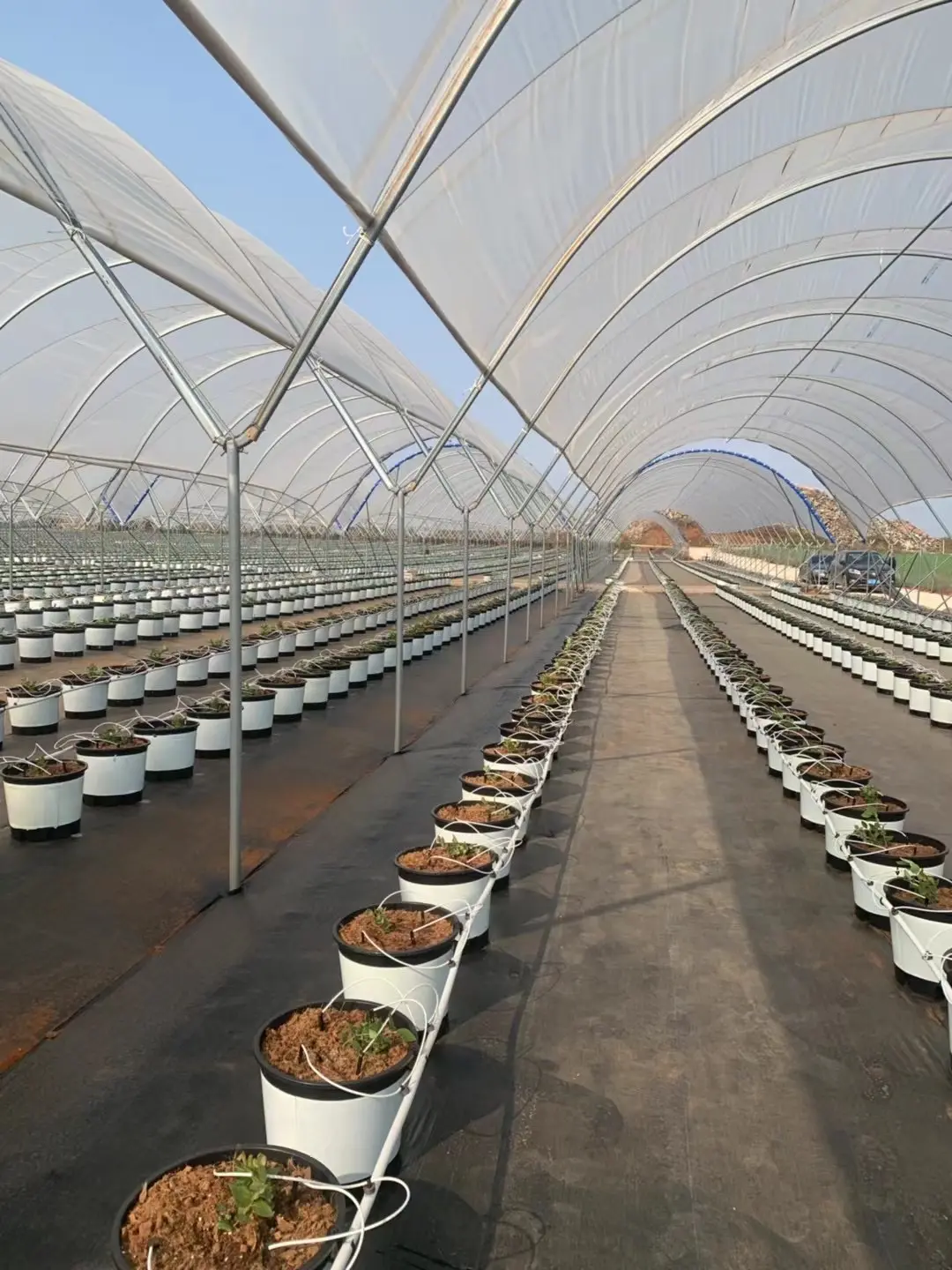
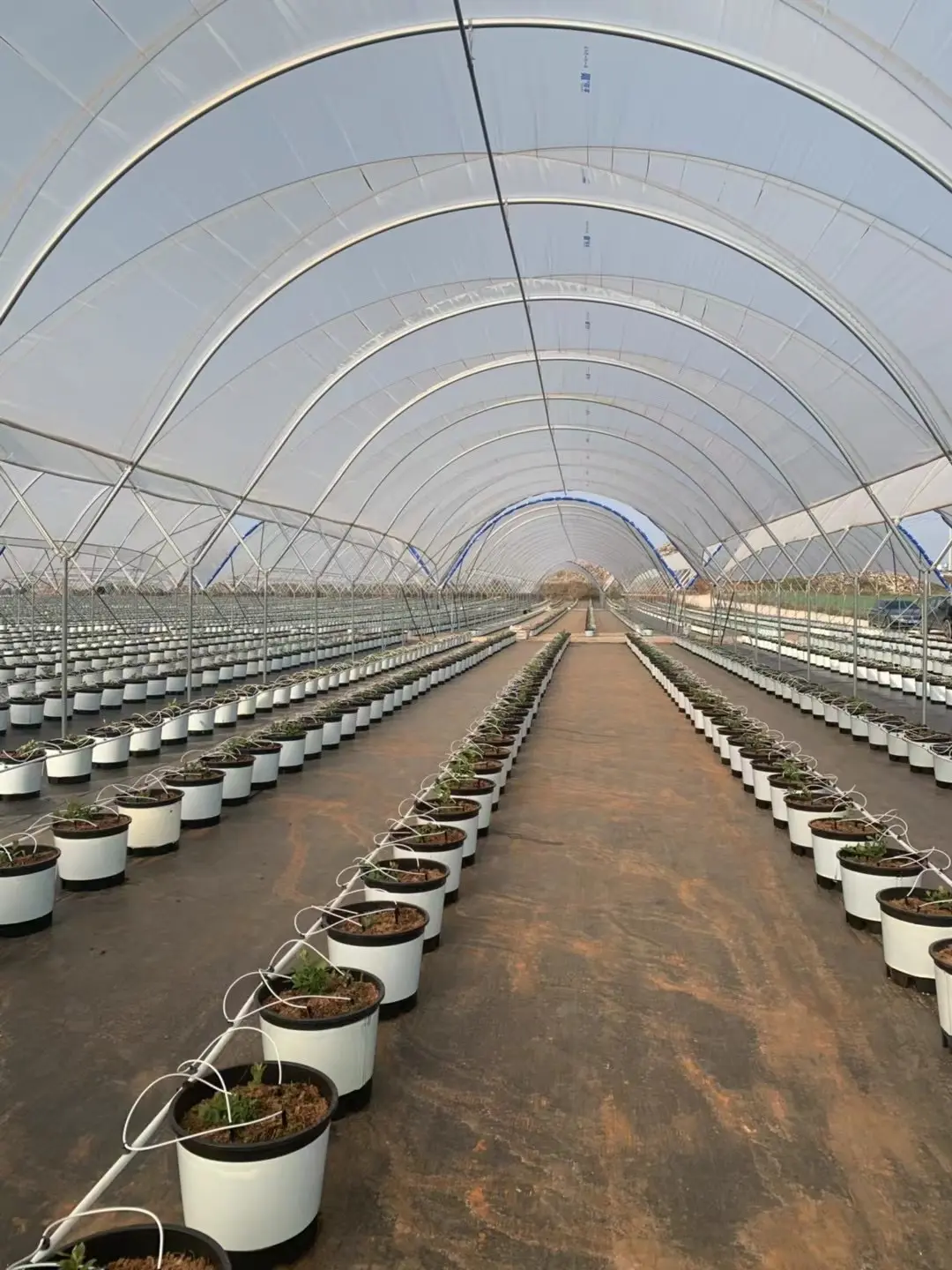
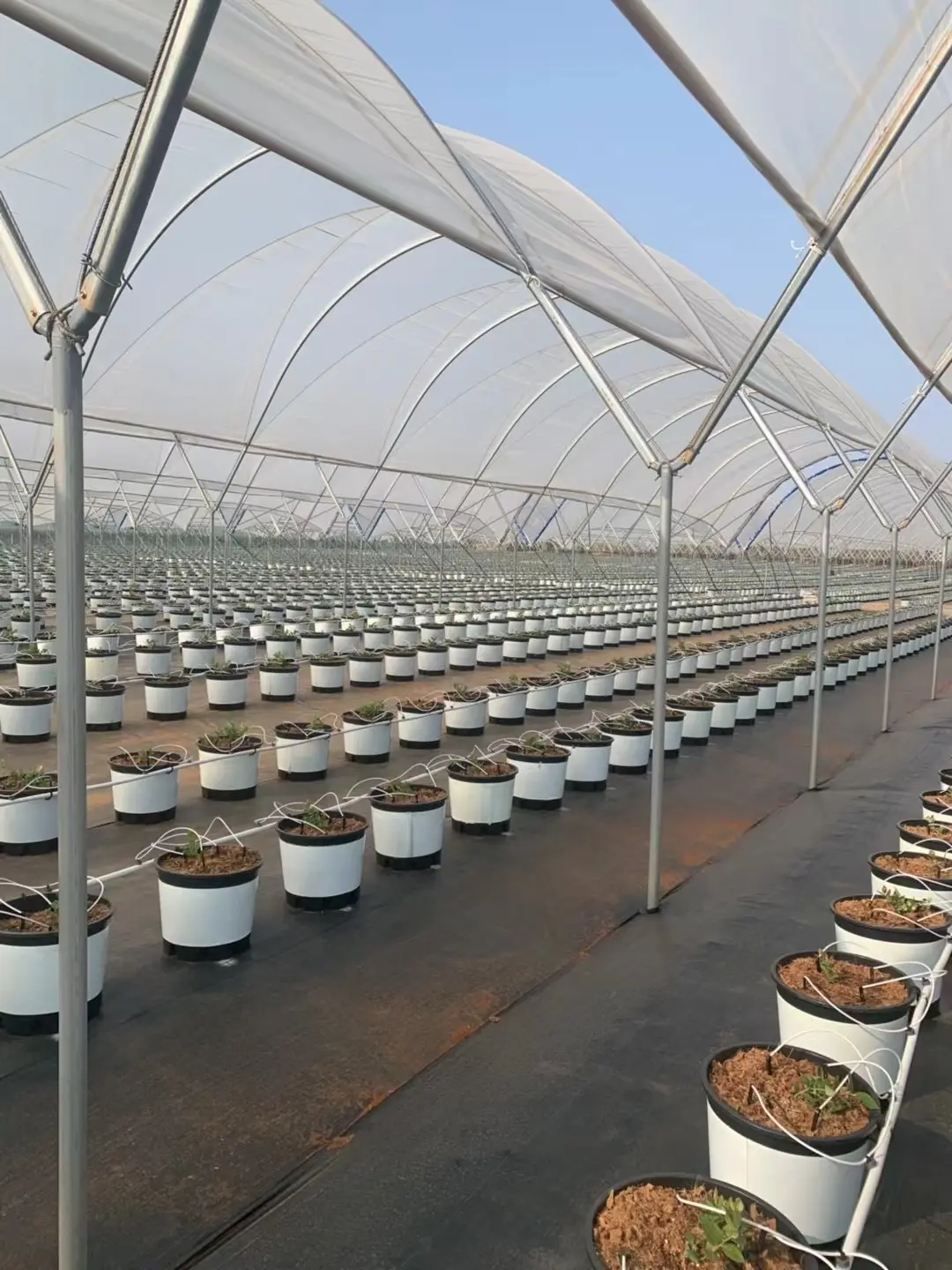
The cost and construction cost of substrate cultivation are the lowest in soilless cultivation, and its practicality is significantly better than other soilless cultivation models.
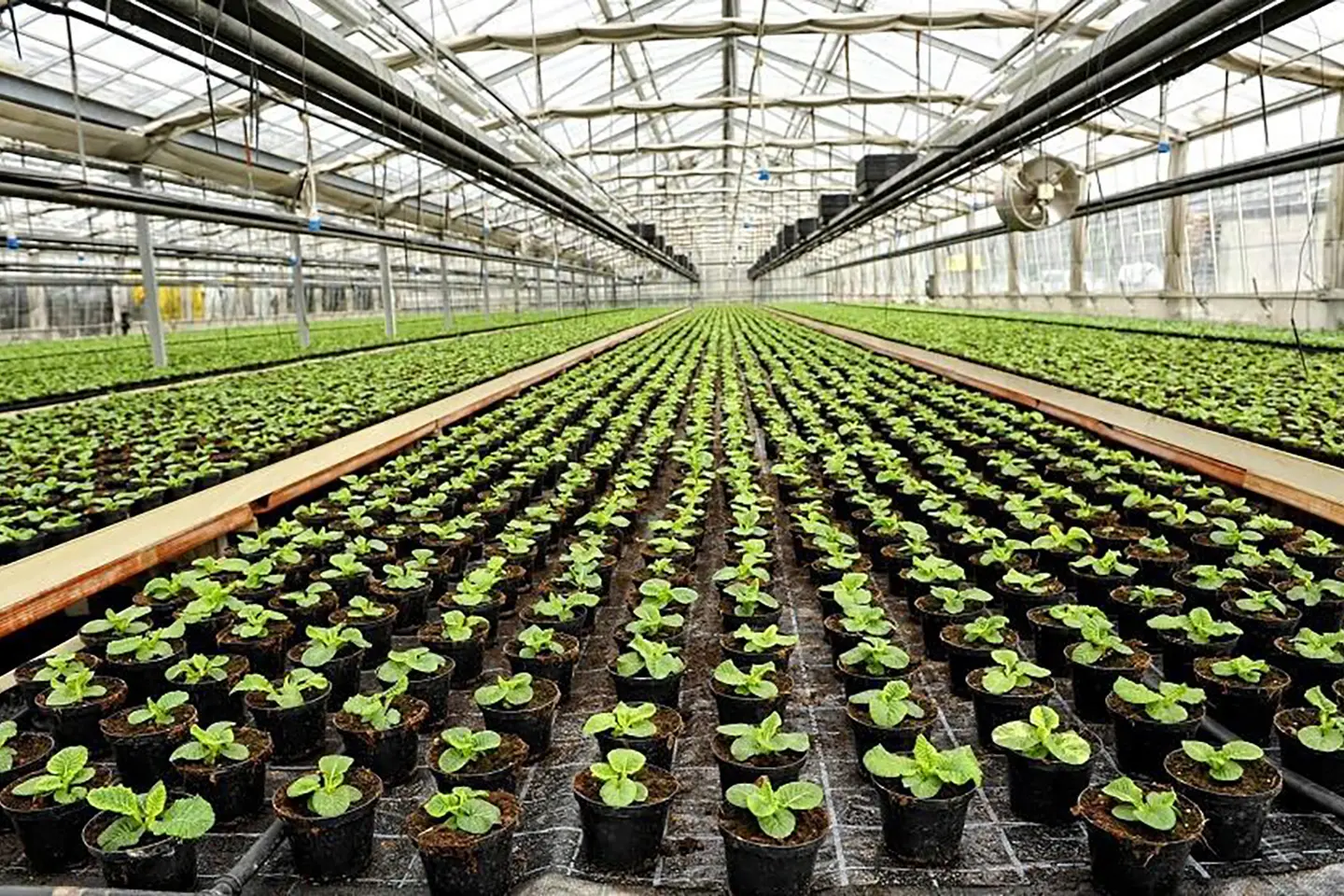
6,000 ㎡ Coconut Coir Tomato Cultivation in Almería, Spain
This large greenhouse in Almería adopts coconut coir substrate for commercial tomato planting. It delivers stable air permeability and water retention, inhibiting soil-borne diseases and raising fruit quality.
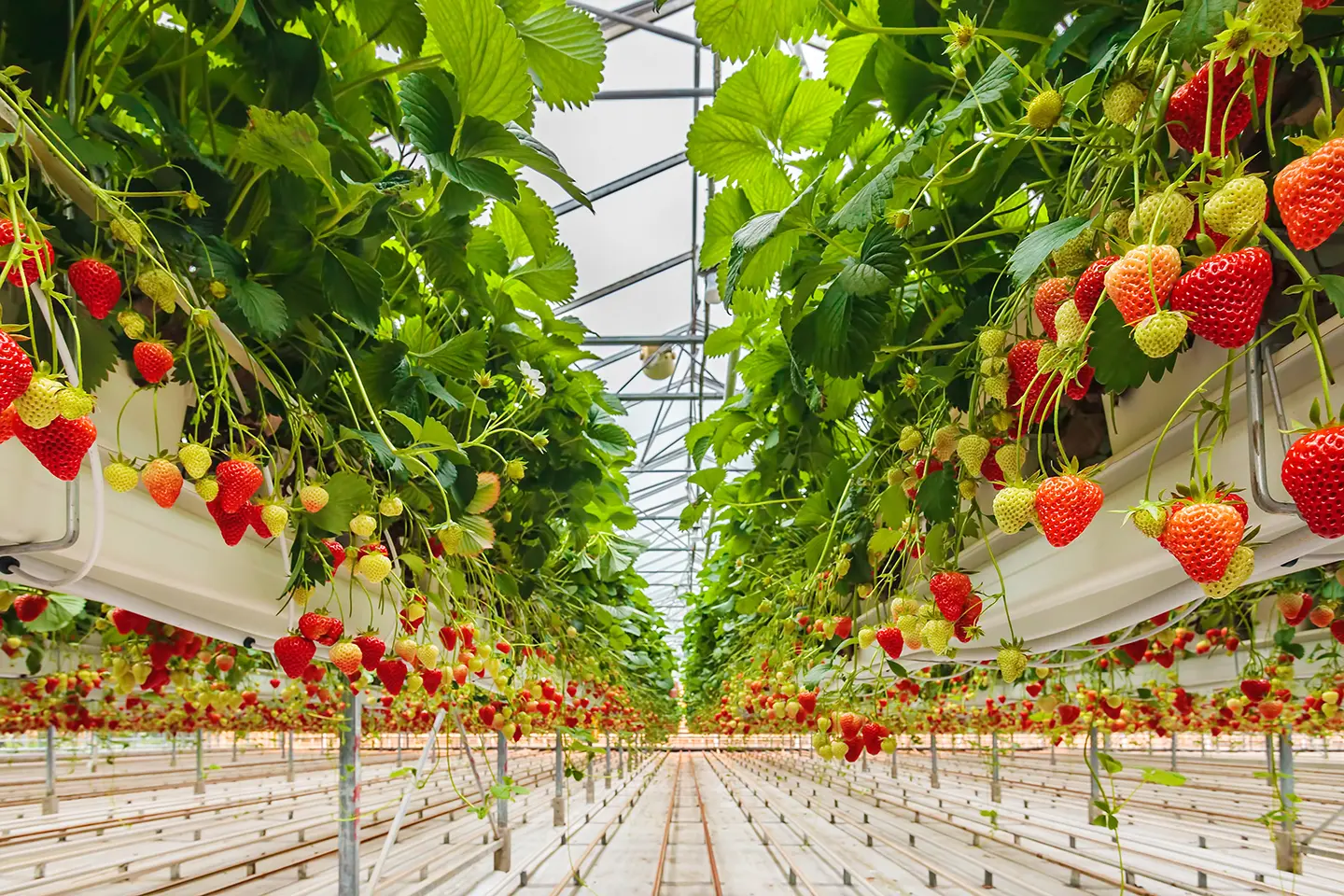
4,800 ㎡ Coconut Coir Berry Greenhouse in Pollachi, India
Located in Pollachi, India’s coconut core region, this project uses local high-quality coconut coir to grow berries. The eco-friendly substrate balances nutrition absorption and root breathing, extending planting cycles.
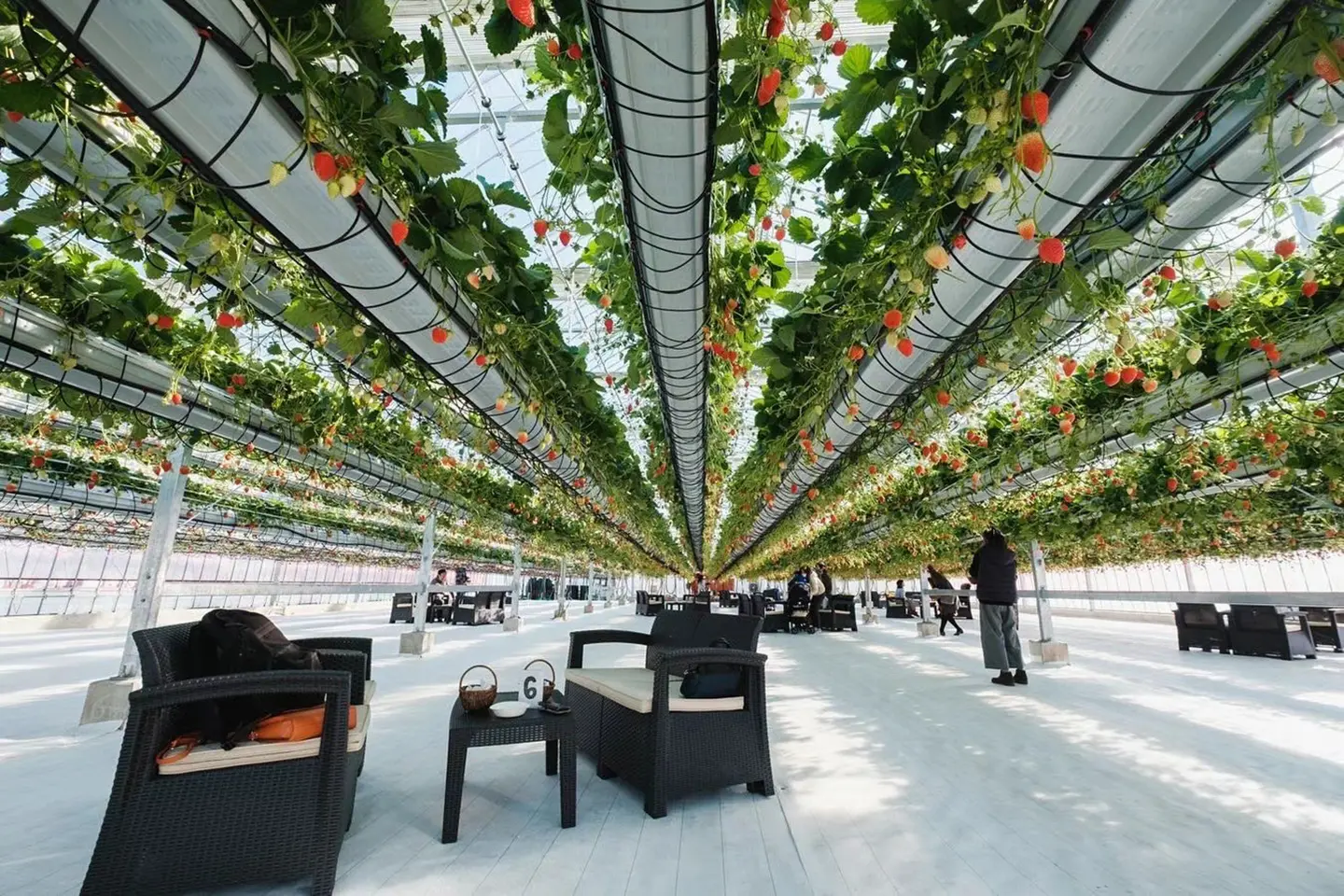
3,200 ㎡ Coconut Coir Leafy Greens Farm in Amsterdam, Netherlands
This modern greenhouse in Amsterdam applies buffered coconut coir for precision leafy greens production. It ensures uniform growth, reduces fertilizer waste, and meets European sustainable agriculture .
Different Coconut Peat Planting Schemes
1. Dutch Bucket System with Coconut Peat
The Dutch bucket system—also known as the Bato bucket system—represents the gold standard for growing large, vining plants hydroponically. When combined with coconut peat as the growing medium, this system delivers exceptional results for commercial and hobbyist growers alike.
Why Coconut Peat in Dutch Buckets?
Coconut peat has become the dominant growing medium in commercial Dutch bucket operations due to its ideal water retention characteristics, renewable nature, and consistent quality. Premium buffered coir resists salt accumulation and maintains stable pH throughout the entire growing season.
In Dutch bucket systems, coconut peat supports larger crops such as tomatoes, cucumbers, and peppers by retaining moisture while providing optimal root support and aeration. The medium’s ability to hold moisture longer than perlite or clay pebbles reduces irrigation frequency, saving both water and nutrients.
How the System Works
A complete Dutch bucket system comprises several integrated components working in harmony:
Reservoir – Holds the nutrient solution (typically 50–500 gallons depending on scale)
Submersible pump – Moves solution through main irrigation lines
Drip emitters – Deliver nutrient solution directly to each bucket at scheduled intervals
Dutch buckets – Individual containers (typically 10–15 liters) filled with coconut peat
Drainage system – Excess solution drains through specialized bucket elbows or siphons into collection channels
Return line – Recirculates solution back to the reservoir
Key Advantages
Individual plant management – Each bucket operates independently, preventing disease spread between plants
Precise nutrient delivery – Customized nutrition for different crop varieties
Superior drainage – Eliminates root zone saturation, promoting explosive root growth
Water and nutrient efficiency – Recirculating system conserves resources, saving 40–60% water and nutrients
Scalability – Expand from a single bucket to hundreds without redesigning your setup
Elevated growing position – Reduces back strain during daily operations
Growing Tips for Dutch Bucket Systems
Propagation – Start seeds in plugs, then place in blocks before transplanting into Dutch buckets
Transplanting – Transplant the entire content (plant and coco coir) into the Dutch buckets
Initial watering – Water directly near plant roots with hydroponic mycorrhizae and allow about 6 hours before starting the nutrient mix
Irrigation schedule – 2–5 minutes of irrigation, several times daily based on plant size, growth stage, and environmental conditions
Monitoring – Regularly check connections, pump operation, filters, and temperature
2. Coconut Peat Grow Bags (Substrate Bags)
Coconut peat grow bags offer one of the most convenient and cost-effective solutions for hydroponic cultivation. These ready-to-use bags come pre-filled with compressed coconut peat that expands when hydrated, eliminating the need for separate pots or containers.
What Are Coconut Peat Grow Bags?
Grow bags are made from 100% natural coconut coir, derived from selected quality coconut husks. The medium is multi-washed, free from pesticides and heavy metals, and features a unique blend of coco pith, fiber, and coco chunks that enhances aeration and promotes healthy root development.
Available in various sizes (1, 2, 3, and 5 gallons), these bags are designed for use without any additional pot. Many feature pre-marked lines for drainage holes and planting holes, making setup quick and foolproof.
Key Benefits
100% natural and organic – No synthetic additives or chemicals
Biodegradable – Easy, environmentally friendly disposal
Low EC – Safe for sensitive crops
pH 5.8–6.8 – Optimal range for most hydroponic crops
Compression ratio 1:5 – Expands significantly when hydrated
Does not attract insects – Reduces pest problems
Safe with pets – Non-toxic
How to Use Coconut Peat Grow Bags
Prepare the bag – Cut drainage slits in the bottom of the bag as marked
Hydrate the medium – Add water slowly—typically 3–4 liters depending on bag size. The compressed coco expands beautifully to fill the bag
Make planting holes – Snip along the pre-marked lines on the top of the bag
Insert drippers – Place irrigation tubes or drippers inside the grow bags for consistent watering
Transplant seedlings – Pop your tomato, cucumber, or capsicum seedlings into place
Monitor pH and EC – Target pH: 5.8–6.5; EC: 1.5–2.0 for most vegetables
Crop-Specific Recommendations
Tomatoes: Use 100 x 20 x 15 cm bags with 2–3 plants per slab. Feed with calcium and magnesium early, as coco can initially lock these up. Maintain a consistent drip schedule (4–6 times daily).
Cucumbers: Use medium-sized bags (90 x 15 x 12 cm) for quick drainage and space optimization. Place 2–3 plants per slab and train vines vertically to maintain strong airflow.
Capsicum (Bell Peppers): Monitor EC levels closely as these plants are sensitive to salt buildup. Watch for blossom end rot, especially early in the growing cycle.
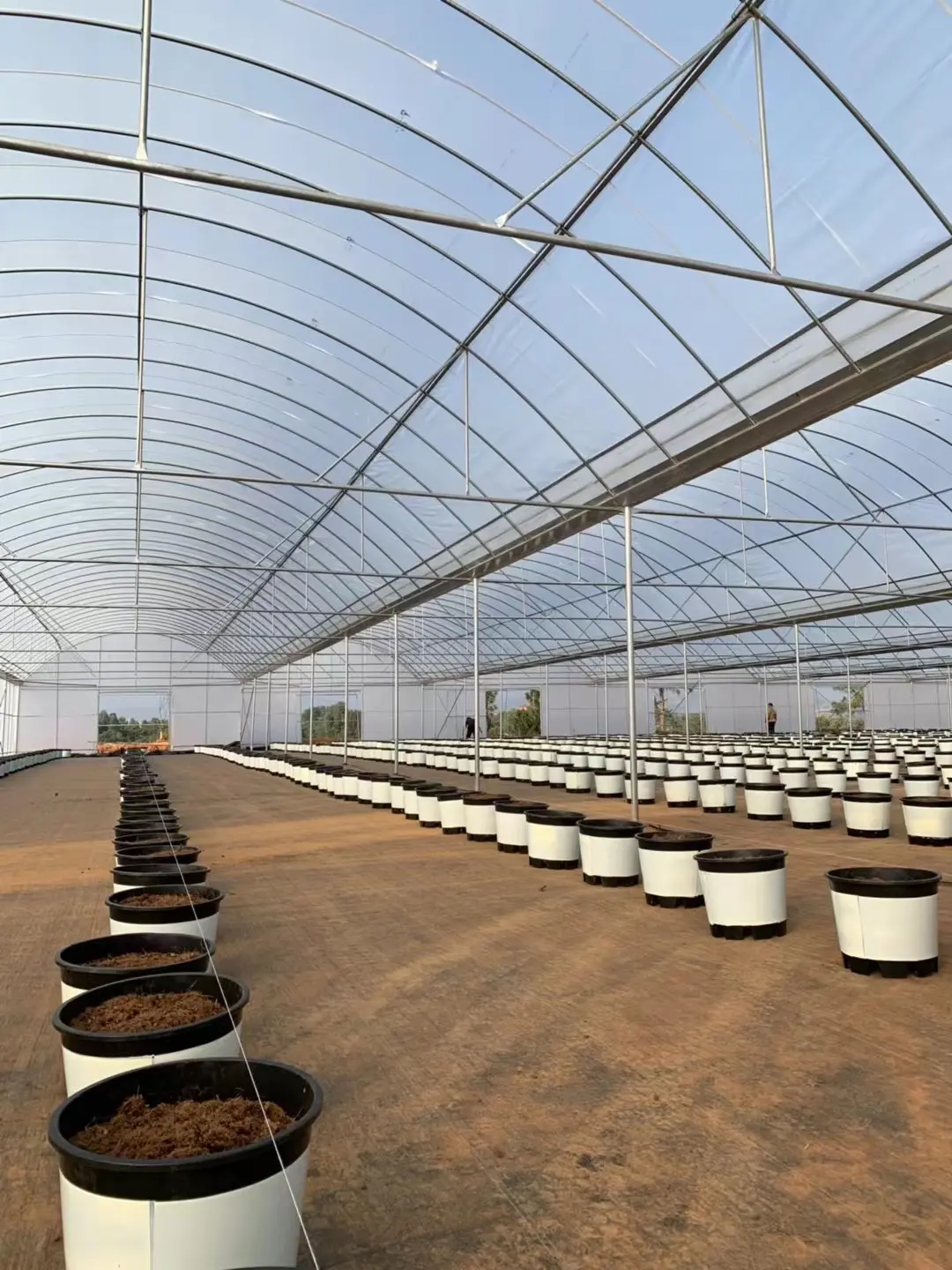
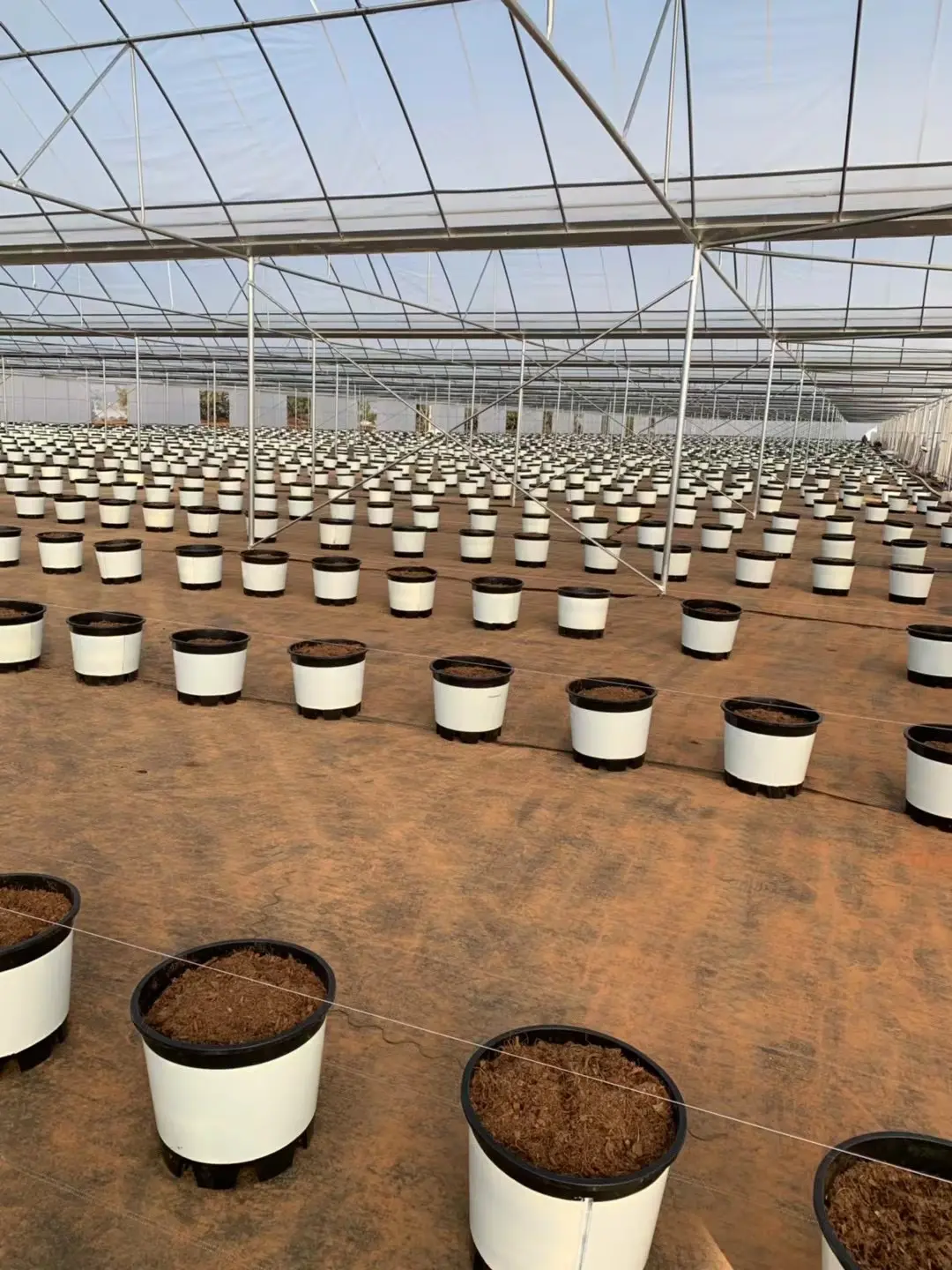
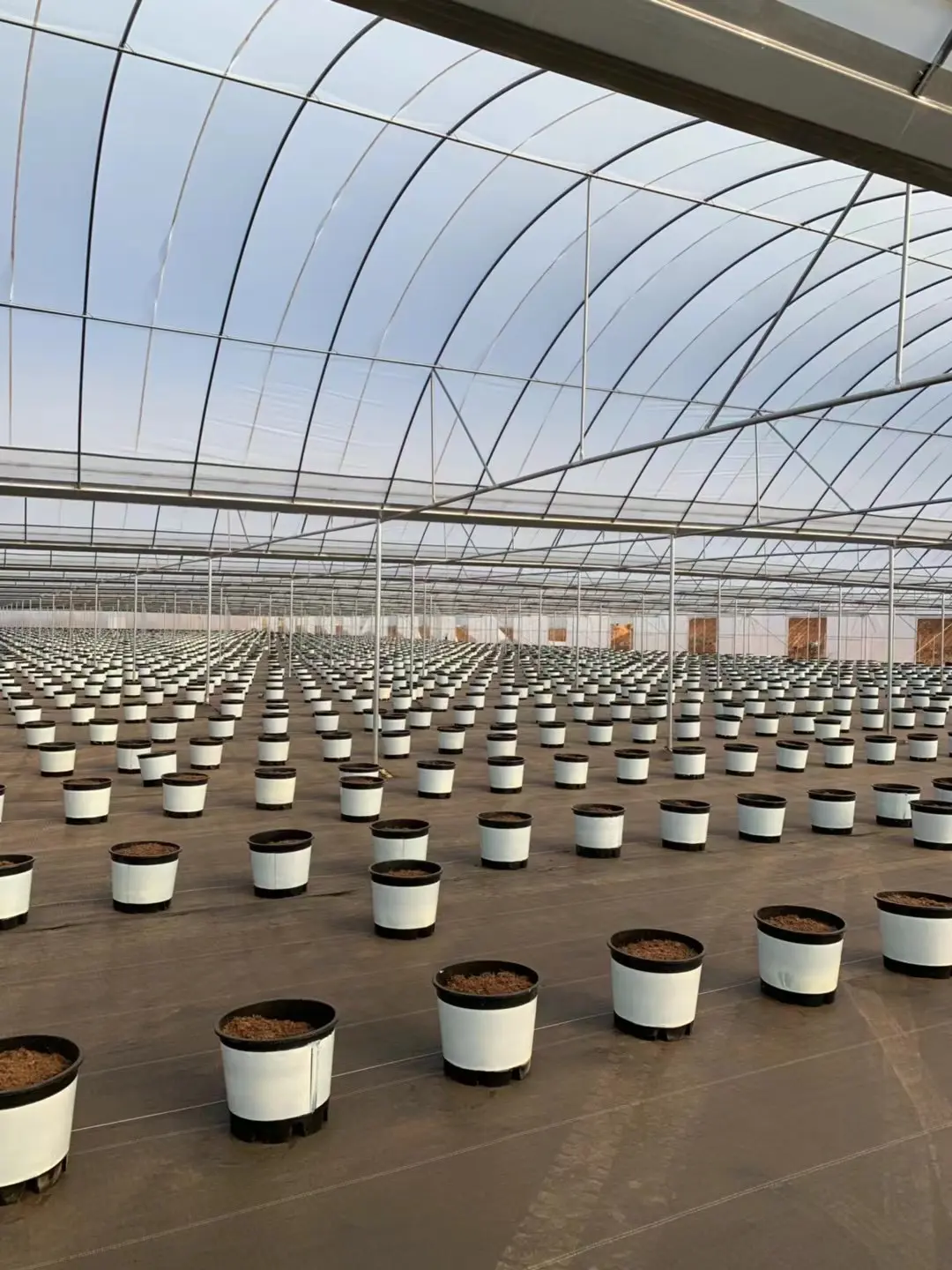
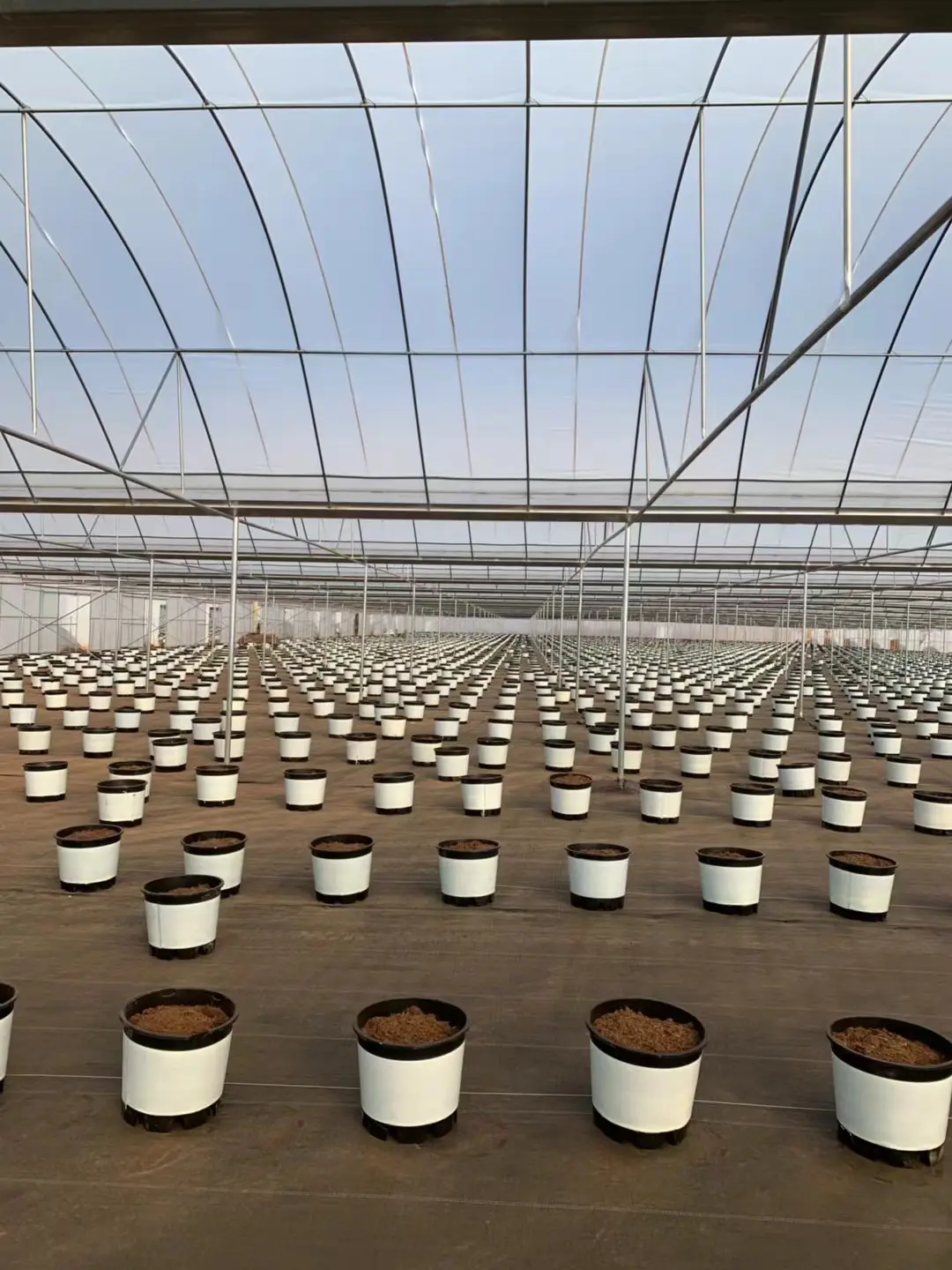
3. PP (Polypropylene) Pot Cultivation with Coconut Peat
PP pots—durable containers made from polypropylene—offer a versatile and long-lasting solution for coconut peat cultivation. When combined with high-quality coconut peat, PP pots create an ideal environment for both indoor and outdoor container gardening.
Why Choose PP Pots for Coconut Peat?
PP pots are specifically designed to complement the unique properties of coconut peat. The durable co-extruded polypropylene material provides structural stability while allowing the coconut peat medium to function at its best.
Key Features of PP Pot Cultivation
Durability and Longevity
PP pots are highly durable and retain their shape and properties over extended periods of use. Unlike biodegradable alternatives, PP pots can be reused across multiple growing cycles, making them a cost-effective long-term investment.
Versatility
PP pots with coconut peat are ideal for greenhouse, tunnel, hydroponic, and pot cultivation. They work exceptionally well for:
Vegetables and fruit – tomatoes, cucumbers, peppers, strawberries
Herbs and leafy greens
Seedling production and cuttings
Ornamental plants and flowers
Excellent Growing Conditions
When filled with coconut peat, PP pots provide:
Excellent air and water permeability – The fiber structure allows moisture and oxygen to be evenly distributed, promoting healthy root growth
Natural antifungal properties – Coconut coir creates a pathogen-free environment for roots to thrive
Consistent moisture supply – High water-holding capacity reduces watering frequency
Lightweight composition – Easy to transport and arrange
How to Use Coconut Peat in PP Pots
Rehydrate the coco peat – Place the compressed coco peat block in a large container and add water until it submerges the brick. Allow 30 minutes for full expansion
Break apart and fluff – Break up the saturated coco peat into fine particles and stir until it achieves a uniform, soil-like texture
Mix with amendments (optional) – For improved drainage, mix with perlite in a 1:1 ratio. For enhanced nutrition, mix with compost in a 1:1 ratio
Fill the PP pot – Transfer the coco peat mix into the PP pot
Plant and irrigate – Plant your seedlings and establish a regular irrigation schedule
Advantages of PP Pot + Coconut Peat Combination
Root health – The breathable nature of PP pots combined with coconut peat’s air porosity creates optimal root zone conditions
Reduced water consumption – Coconut peat’s water-holding capacity minimizes irrigation frequency
Nutrient efficiency – High CEC ensures nutrients are held and released as plants need them
Environmental sustainability – Coconut peat is a renewable resource that reduces dependence on mined peat moss
Cost savings – Reusable PP pots and reusable coconut peat reduce long-term growing costs
Choosing the Right System for Your Needs
System Best For Key Advantage
Dutch Bucket Large vining crops (tomatoes, cucumbers, peppers) Individual plant control, scalability, recirculating efficiency
Grow Bags High-density commercial production Ready to use, cost-effective, easy setup and disposal
PP Pots Versatile container gardening Durable, reusable, suitable for all crop types
Quality Specifications
All our coconut peat products meet the highest quality standards:
EC: Low (safe for all crops)
pH: 5.5–6.8
Moisture content: Under 20%
Compression ratio: Up to 8:1
Purity: 100% natural coconut coir, free from pesticides, heavy metals, and pathogens
Why Choose Our Coconut Peat?
✓ Premium buffered quality – Resists salt accumulation and maintains stable pH
✓ Trichoderma enriched – Promotes root development and provides defense against pathogens
✓ Consistent quality – Sourced from selected coconut husks with rigorous quality control
✓ Sustainable – 100% renewable and biodegradable
✓ Versatile – Suitable for all hydroponic systems and growing applications
No soil borne diseases and pests
Substrate cultivation, as it does not use soil for planting, greatly avoids the occurrence of soil borne diseases and pests.
Higher product quality
Substrate cultivation products, due to their precise management techniques, provide sufficient nutrients at various stages of plant growth.
Low pesticide residues
The substrate cultivation method has fewer pests and diseases, and some soilless cultivation methods can be used for pest and disease control through pure physical means.
Suitable for producing green products
The substrate and fertilizer for organic ecological soilless cultivation are mainly organic materials. After high-temperature .
Avoiding soil continuous cropping obstacles
Compared to general facility cultivation that requires soil, there are continuous cropping obstacles and serious soil borne diseases. Organic substrate .
Less pollution to the environment
In traditional cultivation, about 20% of the nutrient solution is often discharged into the system, and high concentrations of salt in the discharged solution .
R&D Focus Areas
We focus on several core R&D areas, dedicated to solving key direction challenges in the energy storage sector.


Our Process
Steps to Your Greenhouse
1. Consult
We begin with a personalized consultation to capture your vision and needs.
2. Design
Our experts craft a detailed plan with eco-friendly practices for your approval.
3. Execute
Our skilled team transforms your space with precision and care.

The Goal
Our Mission
To transform outdoor spaces into beautiful, functional, and sustainable environments that enhance our clients’ lifestyles while respecting the natural world. We are committed to delivering exceptional service and innovative solutions through our passion for gardening and landscaping.
The Outlook
Our Vission
To be the leading provider of eco-friendly gardening and landscaping services, inspiring communities to embrace sustainable practices and appreciate the beauty of nature in their everyday lives. We envision a future where every outdoor space reflects harmony between human creativity and the natural environment.