Comprehensive Guide to Agricultural Planting Methods
Agriculture is the backbone of human civilization, and over thousands of years, farmers have developed a remarkable variety of planting and cultivation methods. This guide provides a comprehensive overview of the major agricultural planting systems and techniques used around the world today.
1. Classification by Purpose and Scale
Subsistence Agriculture
Subsistence agriculture is a system where food is produced primarily for family or local community consumption, with only occasional surplus sold at local markets. This method is common in developing regions and typically involves small landholdings (1–2 hectares), manual labor, and traditional farming techniques. Farmers often grow a diverse mix of crops to meet their household’s nutritional needs.
Commercial Agriculture
Commercial agriculture focuses on producing food and other agricultural products for sale in local, regional, or global markets. This system is highly mechanized, with average farm sizes exceeding 150 hectares in developed countries. Commercial farms often specialize in specific crops or livestock and employ advanced technologies to maximize efficiency and yield.
Plantation Agriculture
Plantation agriculture is a form of commercial agriculture that focuses on growing non-staple, export-oriented crops such as coffee, tea, rubber, palm oil, and sugarcane. These large-scale operations are typically found in tropical and subtropical regions and often involve significant capital investment in infrastructure and labor.
Mixed Farming
Mixed farming integrates crop cultivation and livestock raising on the same farm. This approach allows farmers to diversify income sources, recycle nutrients through manure application, and improve overall farm resilience. Crop residues can be used as animal feed, while animal waste serves as fertilizer for crops.
2. Cropping Systems and Planting Patterns
Crop Rotation
Crop rotation is the practice of growing different crops in sequential seasons on the same land. This method helps maintain soil fertility, prevents the buildup of pests and diseases, and reduces reliance on chemical inputs. For example, rotating nitrogen-fixing legumes with cereal crops can naturally replenish soil nutrients.
Intercropping
Intercropping involves growing two or more crops simultaneously on the same field. This practice enhances soil quality, increases total yield per unit area, and promotes biodiversity. A famous example is “The Three Sisters” — corn, beans, and squash planted together — an indigenous American agricultural practice where each plant benefits the others.
Relay Cropping
Relay cropping is a system where a second crop is planted into an existing crop before the first crop is harvested. This technique maximizes land use efficiency and extends the growing season.
Multiple Cropping
Multiple cropping involves growing two or more crops on the same land in a single year. This intensive system is common in regions with long growing seasons and adequate water supply.
Wide and Narrow Row Cropping (WNRC)
WNRC is an optimized planting method that strategically adjusts row spacing to enhance crop growth and productivity. This system improves light interception, air circulation, and soil moisture distribution, leading to better photosynthetic efficiency and water use. It also reduces the need for herbicides by optimizing planting density.
3. Tillage and Soil Management Methods
Conventional Tillage
Conventional tillage involves mechanical soil disturbance to prepare seedbeds, control weeds, and incorporate residues. While effective for crop establishment, it can lead to soil erosion and degradation over time.
Conservation Agriculture / No-Till Farming
Conservation agriculture is a system built on three core principles: minimal soil disturbance, permanent soil cover, and crop rotation. No-till farming eliminates mechanical soil inversion, with seeds planted directly into undisturbed soil through specialized drilling techniques. This approach:
Reduces soil erosion
Improves soil health and organic matter
Enhances water retention
Supports beneficial soil microorganisms
Reduced Tillage
Reduced tillage methods, including strip tillage, ridge tillage, and mulch tillage, disturb only a portion of the soil surface. These approaches balance the benefits of soil conservation with the need for seedbed preparation.
4. Sustainable and Ecological Farming Methods
Organic Farming
Organic farming avoids synthetic chemicals and emphasizes natural inputs to maintain soil productivity and ecological balance. Key practices include:
Crop rotations and cover cropping
Green manures and composting
Biological pest control
Reduced tillage to preserve soil structure
Organic farmers also enhance biodiversity by planting trees, creating wildlife habitats, and maintaining wildflower margins around fields.
Agroforestry
Agroforestry integrates trees and shrubs with crops and/or livestock on the same land. Common agroforestry systems include:
Silvopasture — The intentional combination of trees, forages, and livestock on the same unit of land. Trees provide shade for livestock, improve forage quality, and can eventually produce timber.
Forest Farming — The cultivation of specialty crops (medicinal plants, ornamentals, culinary products) under a forest canopy.
Agrosilvopastoral Systems — Integrated production of animals, crops, and wood/fuelwood.
Conservation Practices
Additional conservation methods include:
Cover cropping — Planting crops specifically to protect and enrich soil during off-seasons
Mulching — Covering soil around plants to prevent weeds and retain moisture
Contour ploughing — Ploughing along the contours of slopes to reduce erosion
5. Soilless and Controlled Environment Agriculture
Hydroponics
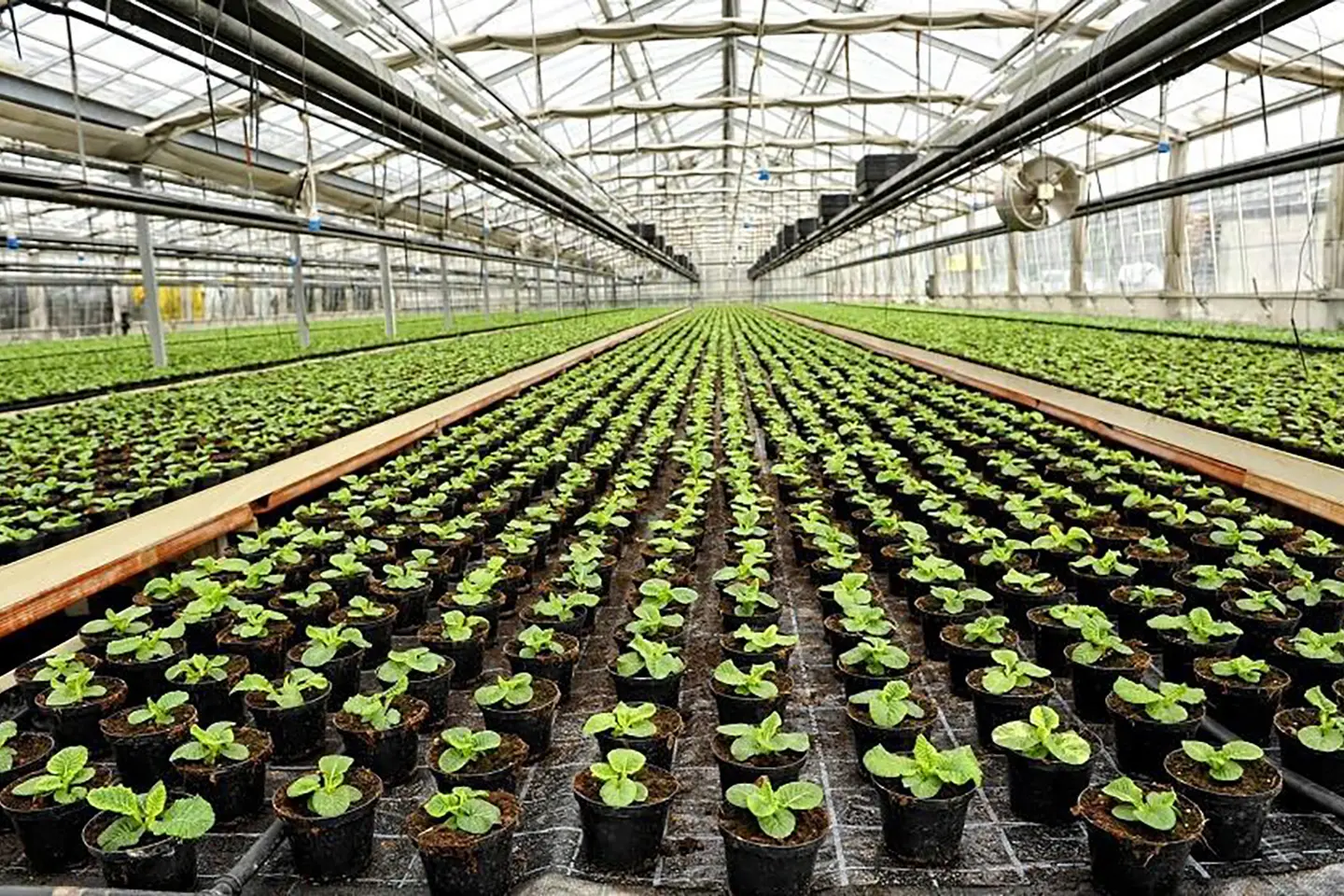
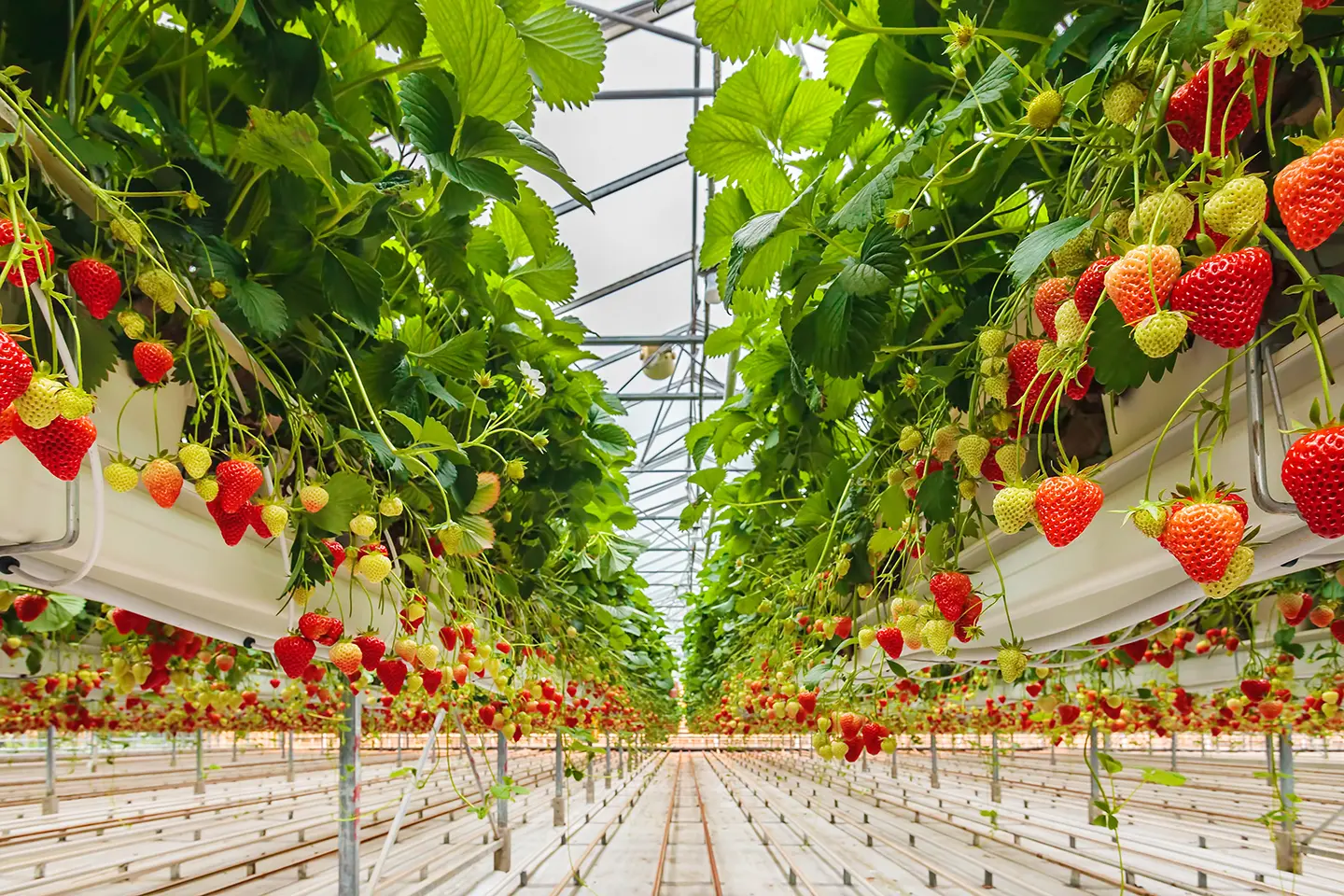
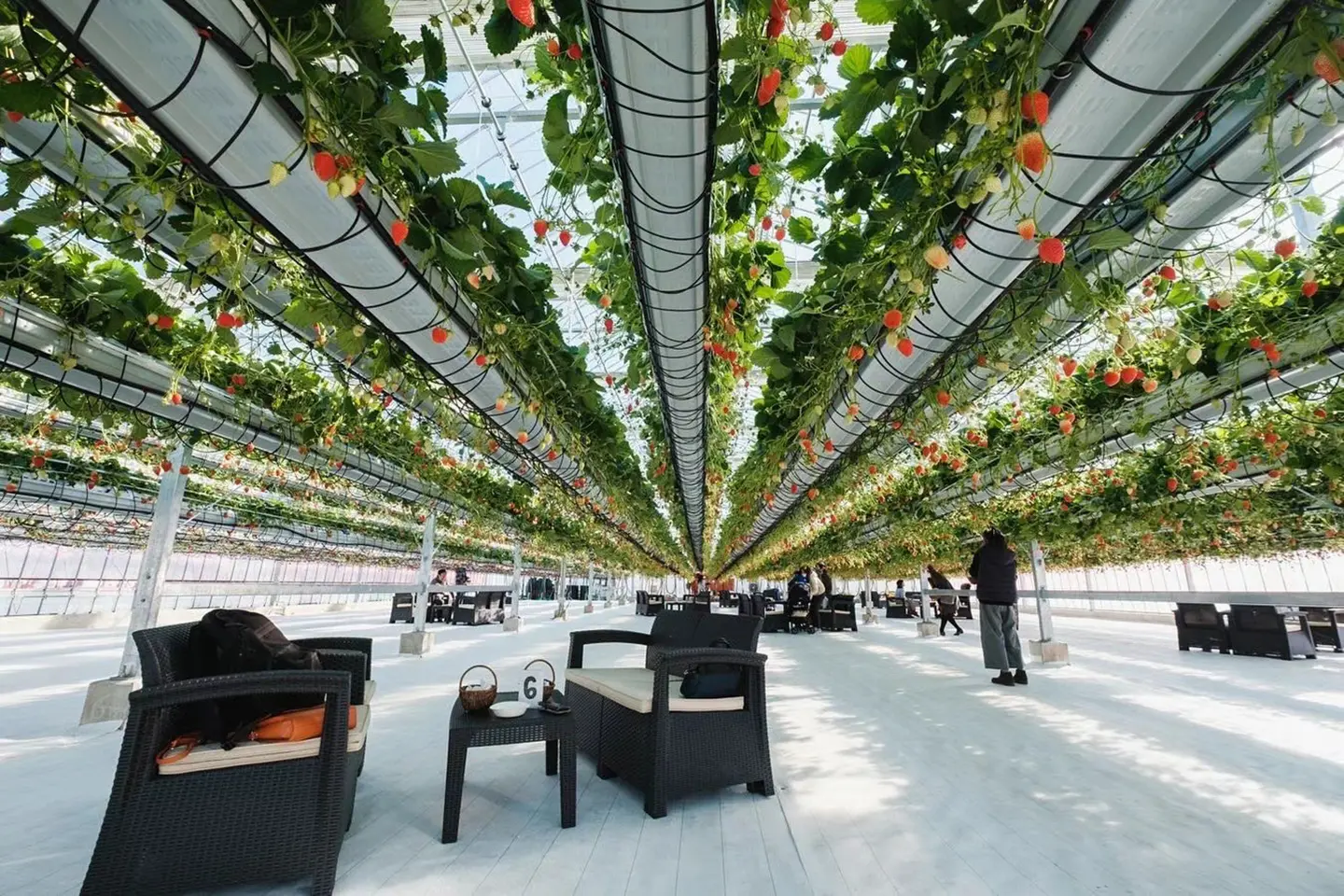
Hydroponics is a soil-free cultivation method where plant roots are continuously bathed in nutrient-rich water solutions. This system allows precise control over nutrient delivery, uses significantly less water than traditional farming, and enables year-round production in controlled environments.
Aeroponics
Aeroponics suspends plants in the air and intermittently mists the roots with nutrient solution. This approach provides excellent root oxygenation and efficient nutrient uptake.
Aquaponics
Aquaponics combines hydroponics with aquaculture (fish farming). Fish waste provides nutrients for plants, while plants filter and purify the water for fish, creating a closed-loop, sustainable system.
Vertical Farming
Vertical farming involves growing crops in stacked layers within controlled environments, often in urban settings. These systems integrate hydroponics, aeroponics, or aquaponics with artificial lighting and climate control to produce food year-round with minimal land and water use.
Urban Agriculture
Urban agriculture encompasses the cultivation, processing, and distribution of agricultural products in cities and suburbs. Examples include community gardens, rooftop farms, and vertical production systems.
6. Precision and Technology-Driven Agriculture
Precision Farming
Precision farming uses GPS, sensors, drones, and data analytics to monitor and manage agricultural practices at a micro-level. This approach enables farmers to:
Apply water, fertilizer, and pesticides only where and when needed
Optimize planting based on data analytics
Monitor crop health and growth in real-time
Smart Farming / Agritech
Smart farming integrates artificial intelligence, Internet of Things (IoT) devices, and machine learning with traditional agriculture. These technologies provide real-time decision support for irrigation scheduling, fertilization, pest management, and crop rotation.
7. Traditional and Extensive Systems
Shifting Cultivation
Shifting cultivation involves cultivating a piece of land for a period of time and then moving to another plot, allowing the previously cultivated land to lie fallow and recover. Also known as slash-and-burn agriculture, this method is practiced in tropical regions with low population density.
Pastoral Nomadism and Transhumance
Pastoral nomadism is a form of subsistence agriculture where communities move with their livestock in search of pasture. Transhumance is a seasonal movement of livestock between fixed summer and winter pastures.
Summary
Agricultural planting methods have evolved from simple subsistence practices to highly sophisticated systems incorporating cutting-edge technology. Today’s farmers can choose from a wide spectrum of approaches — from traditional crop rotation and intercropping to precision agriculture and soilless vertical farming. The choice of method depends on factors including climate, soil type, available resources, market demands, and sustainability goals. As the global population continues to grow and environmental challenges intensify, innovative and sustainable agricultural practices are becoming increasingly important for ensuring food security while preserving natural resources