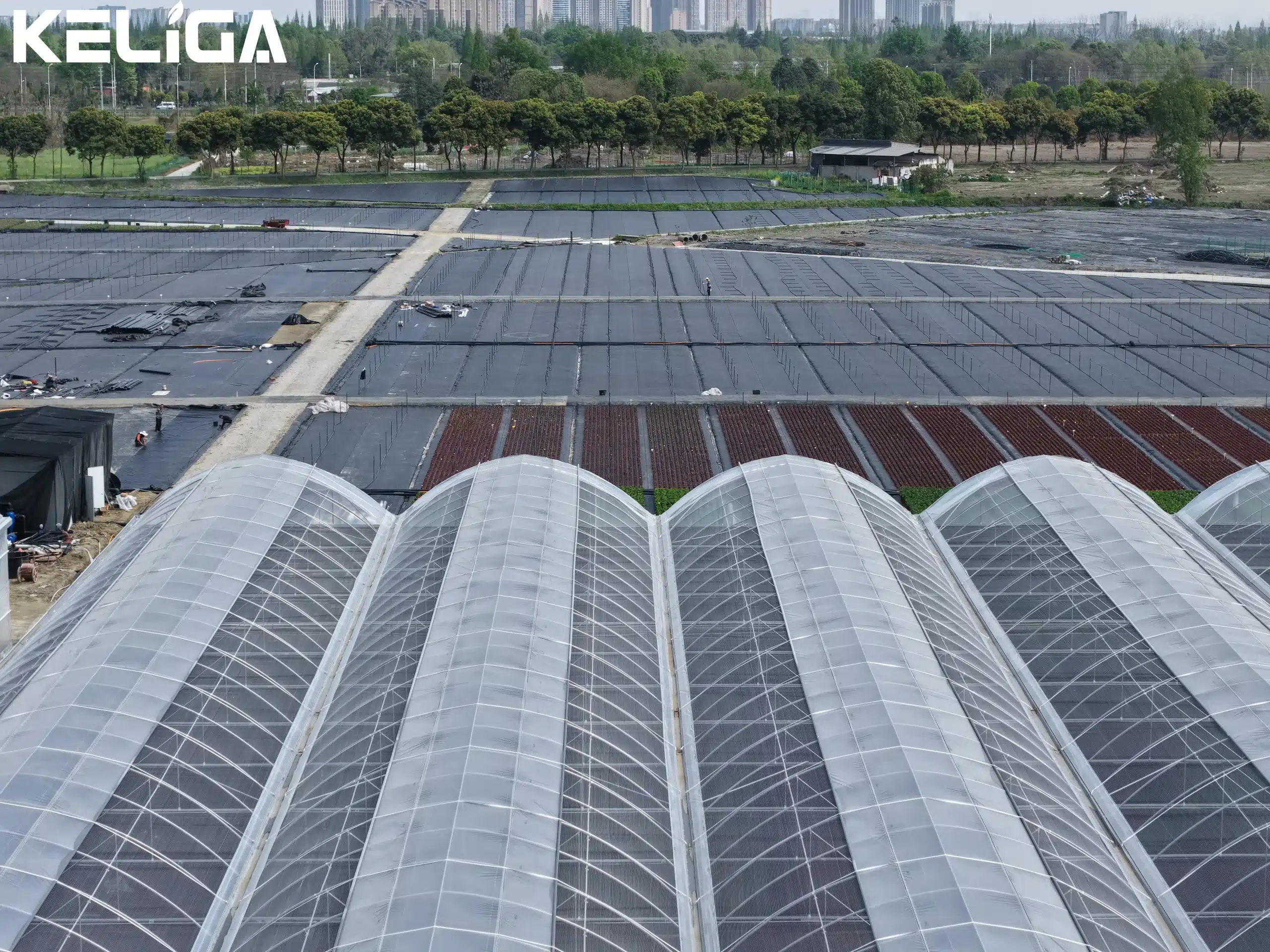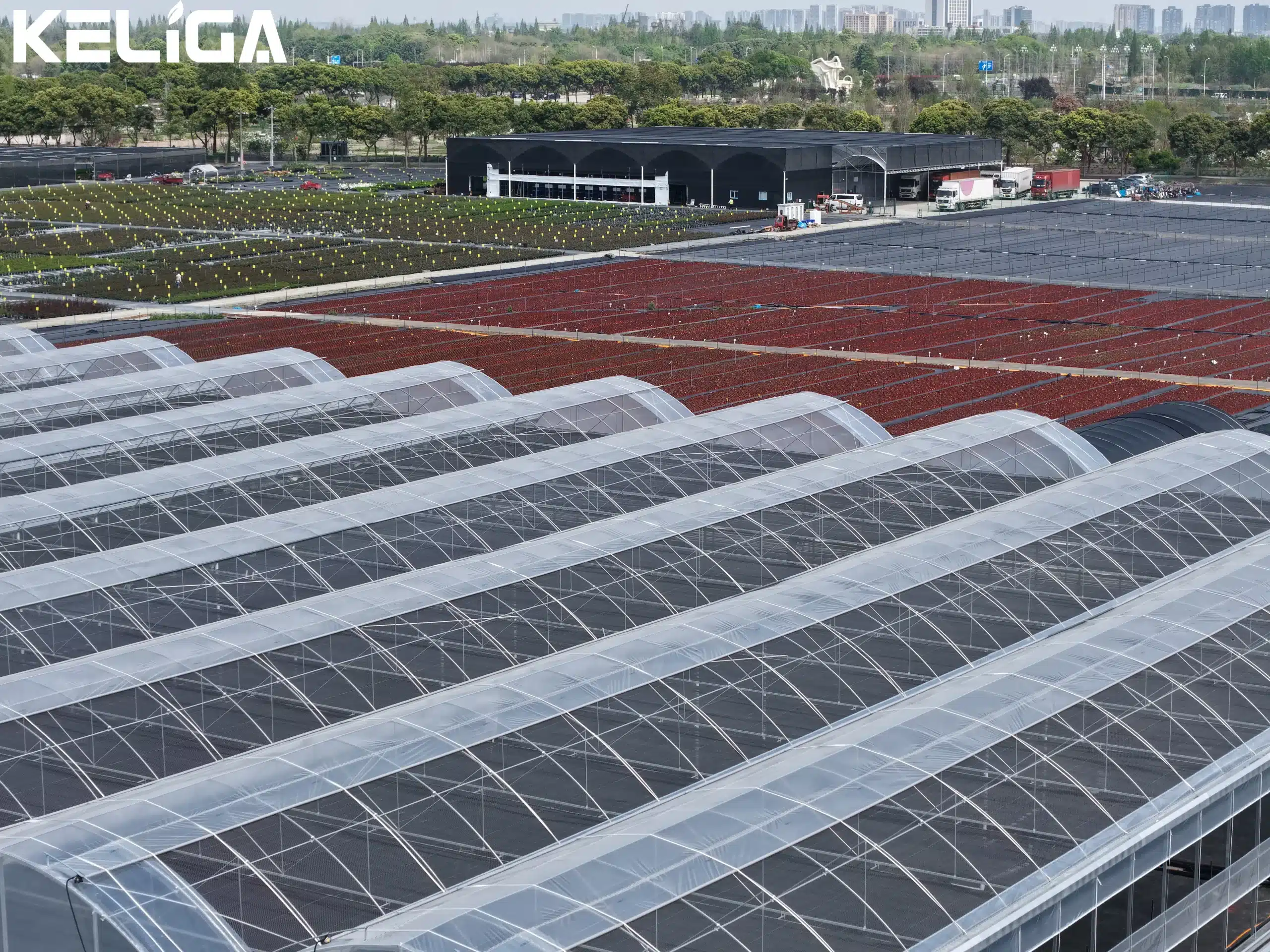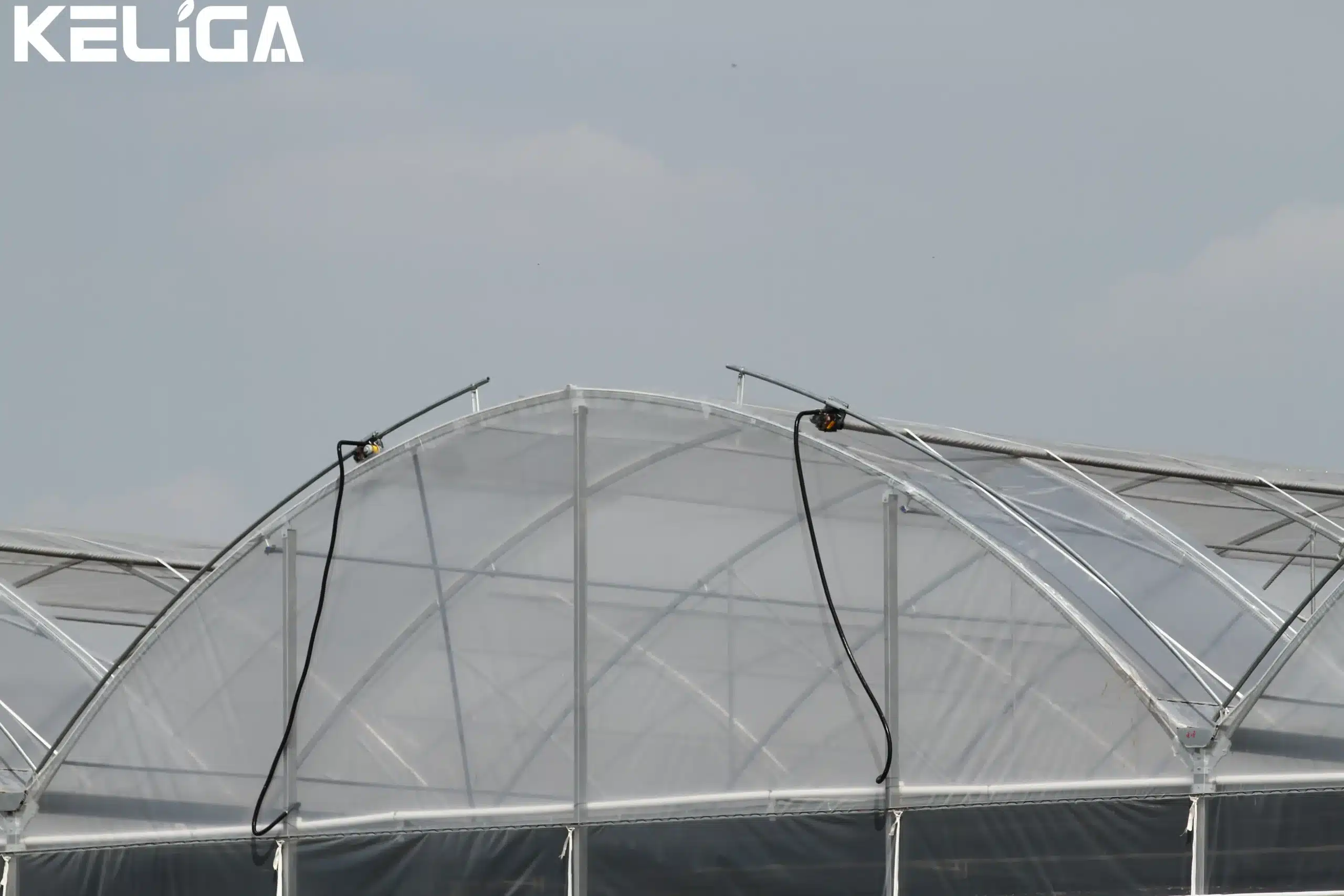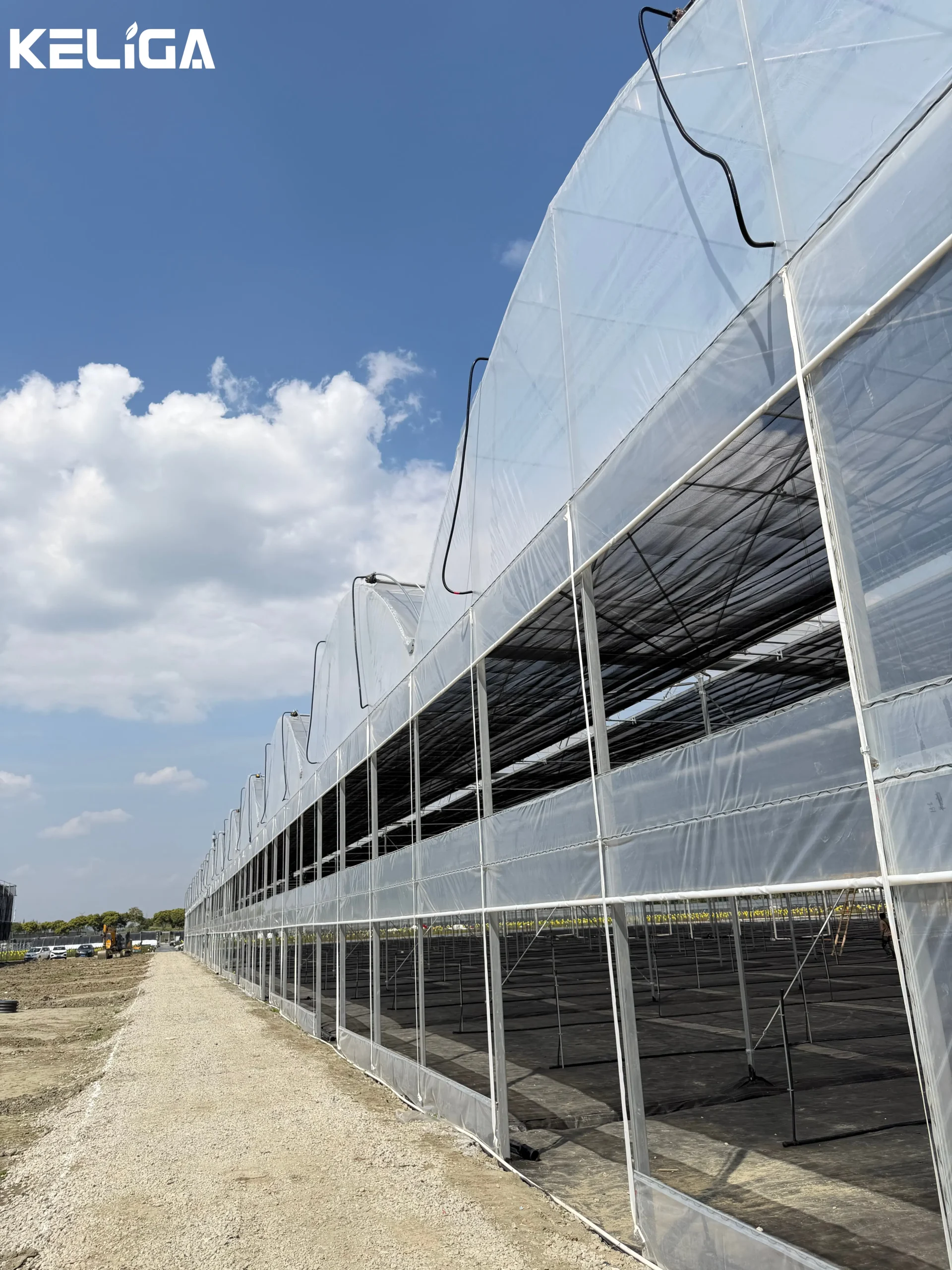
Greenhouse double ventilation for roof and section

The cost and construction cost of substrate cultivation are the lowest in soilless cultivation, and its practicality is significantly better than other soilless cultivation models.

About the Project: Greenhouse Double Ventilation for Roof and Section

Project Scope: 150,000 m² (Approx. 37 acres) – Comprehensive Greenhouse Complex
Location: LuLu Garden Agriculture Co., Ltd., Shuangliu District, Chengdu, Sichuan Province, China

LuLu Garden Agriculture Co., Ltd. is a comprehensive horticultural enterprise dedicated to the introduction, R&D, production and sale of premium floriculture and horticultural products. The company maintains seven modern nursery bases spanning approximately 53 hectares (around 800 mu) of flower and nursery stock production areas, with an annual sales revenue exceeding RMB 200 million. Notably, the company has been established as a teaching, scientific research and practical training base of Sichuan Agricultural University (College of Landscape Architecture), reflecting the high quality and scientific rigor of its agricultural operations.

The expansive 150,000-square-meter greenhouse facility is engineered for large-scale, high-value flower production, including monthly roses (Rosa chinensis), clematis, pelargoniums, and hydrangeas. Currently utilizing glass greenhouse cultivation with climate control (consistent internal temperature ex-ceeding 20°C year-round), the facility has an e-commerce order processing capacity of approximately 20,000 packages per day across seven live-streaming channels. The facility is capable of shipping “Chengdu Flowers” to customers nationwide, offering a business model that seamlessly integrates online retail with modern agricultural horticulture.


Product Introduction

This state-of-the-art Greenhouse Double Ventilation System integrates independent roof-top ventilation and sidewall louvre sections into a unified, climate-responsive solution. Suitable for large-scale flower and nursery stock cultivation, this system delivers superior natural air exchange, reduced disease incidence, uniform CO₂ distribution, and optimized thermohygrometric stability across the entire cultivation footprint.

Key Design Philosophy:

  • Dual Ventilation Zones (Roof + Side) — Roof ridge vents actively exhaust warm, humid, stale air by stack effect while fresh, cooler air is drawn in through sidewall louvres, creating a natural convective loop across the house.

  • High Light Transmission — Glass and polycarbonate glazing materials achieve light transmittance of 90–99%, critical for the photosynthesis of light-demanding crops (ornamental flowers, high-value fruiting vegetables).

  • Energy-Efficient Natural Ventilation — Significantly reduces or eliminates reliance on mechanical fans, lowering operational energy costs.

  • Compact and Robust Construction — 9.6-meter span with 4-meter bay spacing utilises a Venlo-type structural configuration, offering exceptional structural strength plus efficient land usage for large-scale commercial operations.

  • Fully Automation-Ready — Compatible with electric actuators, rack-and-pinion mechanisms, and intelligent control systems for remote monitoring and adjustment.

Key Benefits:

  • Maximises natural airflow and heat extraction by leveraging the stack effect.

  • Reduces fungal pathogen pressure (powdery mildew, botrytis, downy mildew) in dense flower canopies.

  • Enhances photosynthesis with superior light transmission characteristics.

  • Low maintenance with sealed bearings and weather-sealed components.

  • Carbon footprint reduction through reduced mechanical ventilation dependency.

  • Extends the effective growing season across diverse climate zones (subtropical, temperate).

  • Seamless integration with external shading, evaporative cooling pad-and-fan, drip irrigation and intelligent climate control systems.


Core Products & Equipment List

The 150,000 m² greenhouse facility is divided into 15 greenhouse blocks (10,000 m² per block). Below is the equipment specification for each standard block; quantities may be customised upon request.


Product / EquipmentSpecification
Steel Frame StructureHot-dip galvanised steel (Q235/Q345), zinc coating ≥ 275 g/m²; designed as Venlo-type multi-span configuration
Span Width9.6 m
Bay (Opening) Spacing4.0 m
Eave (Gutter) Height3.0–5.0 m (customisable according to climatic zone and crop type)
Ridge Height4.5–6.0 m
Cover Material (Roof)4 mm or 5 mm single-layer tempered glass / 4+9A+4 mm or 5+9A+5 mm double-layer insulated glass with anti-drip coating
Cover Material (Sidewalls)4 mm or 5 mm single-layer tempered glass / twin-wall polycarbonate (UV-stabilised)
Roof VentsSingle or double-sided automatic opening; continuous roof rigde vents with rack-and-pinion rail mechanism; opening stroke up to 600 mm (opening angle ~55–65°)
Side Vents (Louvres)Continuous aluminium louvre system; insect-proof mesh (25–60 mesh) between outer louvre and inner screen; opening stroke 150–300 mm
Actuator System24V DC electric linear actuator or 380V AC rack-and-pinion motors; IP54–IP65 weather-sealed; remote control ready
Control SystemProgrammable Logic Controller (PLC) with integrated sensors (temperature, humidity, light, CO₂); manual backup override; mobile SCADA monitoring optional
Ventilation CapacityRoof: approx. 0.5–0.7 m³/s per 10 m² (@ 2 m/s external wind); Side: approx. 0.3–0.5 m³/s per linear metre
Structure Service Life≥ 20 years
Load RatingsWind: 120 km/h (0.4–0.6 KN/m²); Snow: 0.25–0.5 KN/m²; Drainage: 140 mm/h
Energy Saving Double Roof & Side Ventilation Greenhouse Project for Low-Carbon Farm Production

Section double ventilation

Greenhouse section double ventilation uses two independent sidewall vent openings – typically a lower and an upper section – to create a powerful, controlled airflow pattern. Cool, dry air enters through the lower vents while warm, humid air exits through the upper section, establishing a natural convective loop across the entire crop canopy. This design eliminates stagnant air pockets, reduces leaf wetness and dramatically cuts the risk of fungal diseases such as powdery mildew and botrytis. Uniform CO₂ distribution enhances photosynthesis and boosts yields. Unlike single‑vent systems, double section ventilation allows finer climate tuning without relying heavily on fans, saving significant energy costs. It also prevents heat stress during summer and maintains stable humidity levels, creating an optimal, healthy growing environment year‑round.
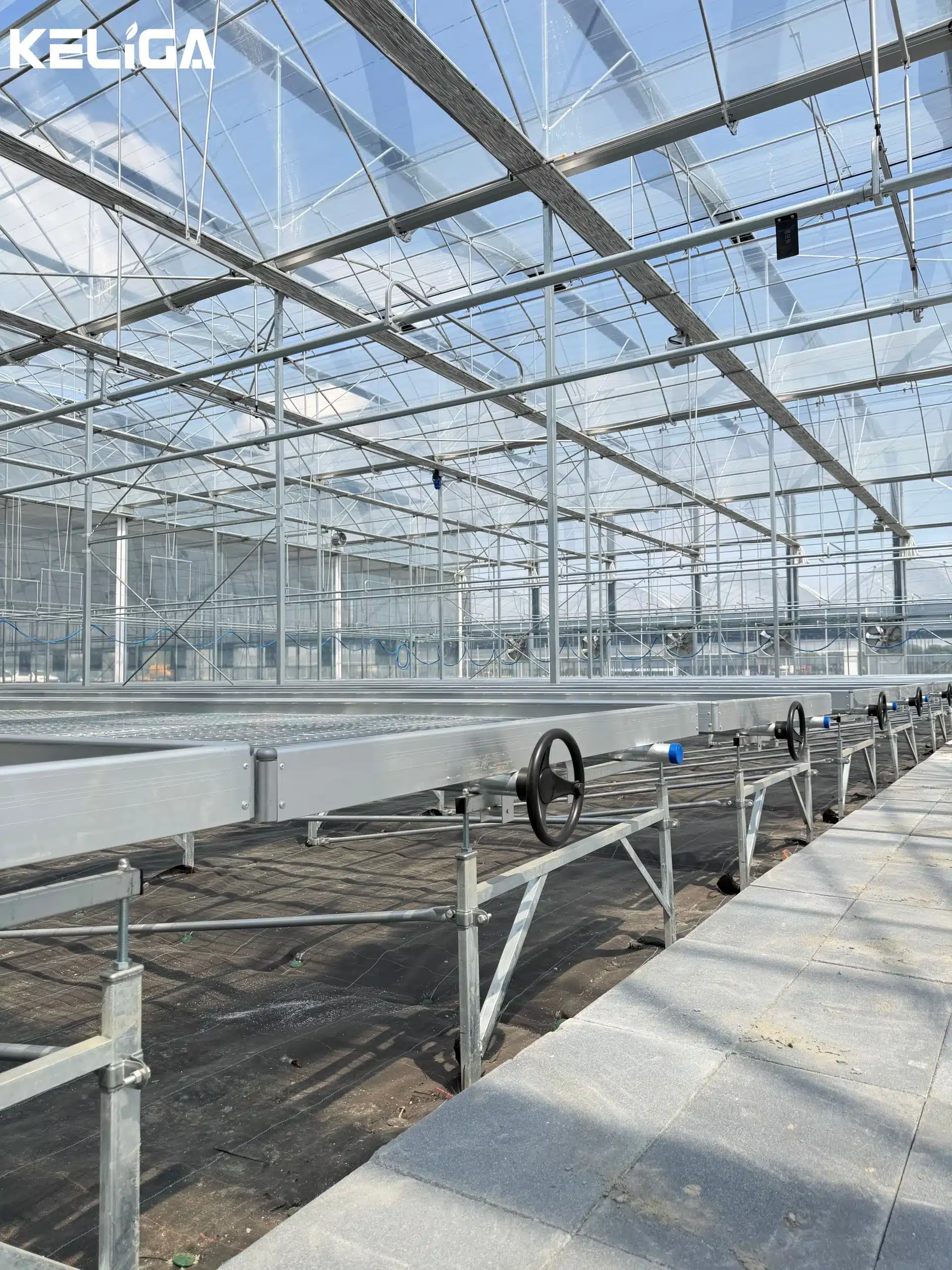
Reinforced Double Ventilation Greenhouse with Windproof Roof and Side Window Frames for Coastal Farms

Inner shading

Greenhouse inner shading provides a flexible, energy‑saving layer mounted beneath the roof glazing. During hot seasons, it reflects excess solar radiation, reducing interior temperatures by 5–10 °C and preventing crop heat stress and sunburn. The shading also diffuses direct light, improving light penetration to lower leaves and boosting photosynthetic efficiency. In winter, the same screen acts as a thermal blanket – trapping warm air, cutting heat loss by up to 40%, and lowering heating costs. Additionally, inner shading helps control day‑night temperature swings, reduces condensation on leaves, and can be automated to respond to light intensity, ensuring optimal growing conditions year‑round while saving energy and protecting high‑value crops.
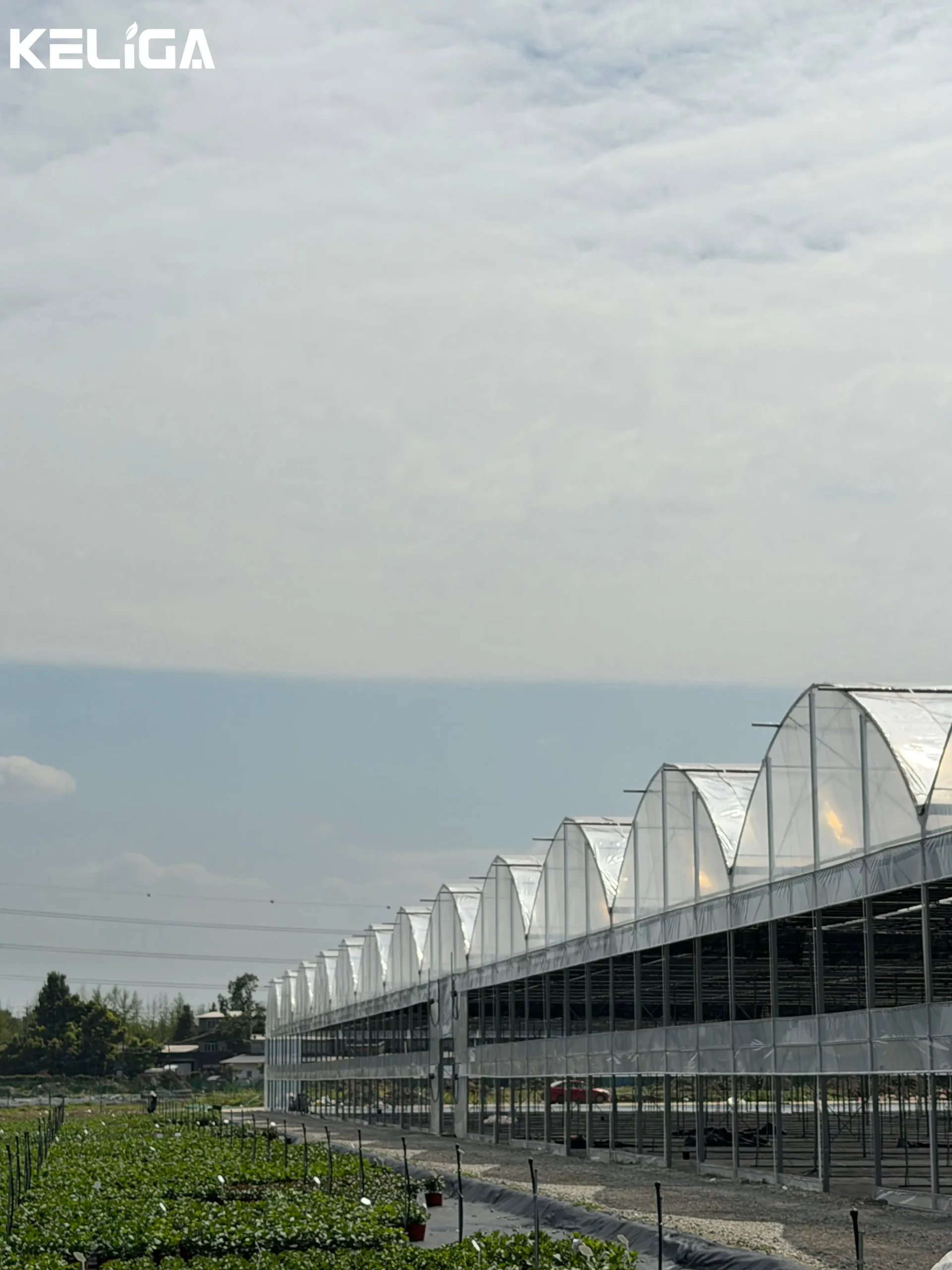
Greenhouse Double Roof and Side Ventilation Project for Global Commercial Vegetable Temperature Control

Roof double ventilation

Greenhouse roof double ventilation uses two independent roof vent sections – typically on opposite sides of each ridge – to dramatically improve natural air exchange. As warm, humid air rises, both vents open simultaneously, creating a powerful chimney effect that rapidly exhausts heat, moisture, and stale air from the entire greenhouse. This design eliminates vertical temperature stratification, delivering uniform climate conditions from gutter to ridge. Double roof vents provide up to twice the venting area of single‑ridge systems, enabling faster cooling and humidity control without mechanical fans – saving substantial energy. By preventing condensation drip onto crops, it reduces fungal diseases like botrytis. The balanced airflow also enhances CO₂ distribution, boosting photosynthesis and crop uniformity, all while maintaining a stable, healthy growing environment with minimal operational costs.
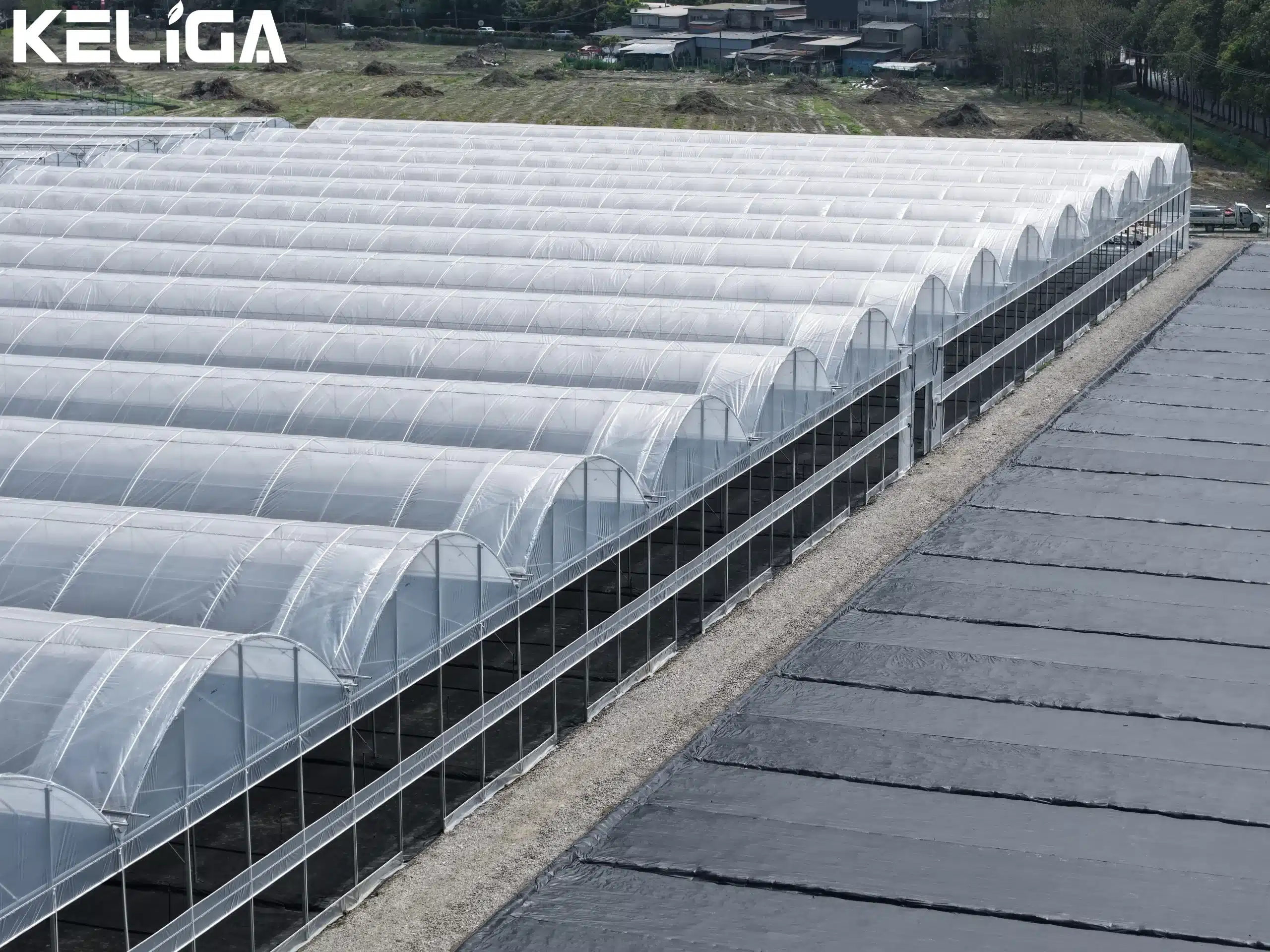
Here are 6 countries with hot and humid climates (tropical/monsoon/equatorial)

We focus on several core R&D areas, dedicated to solving key direction challenges in the energy storage sector.

1. Thailand

hailand has a climate characterized by consistently high temperatures and humidity throughout the year, with average temperatures ranging between 19 °C and 38 °C and peaks in April and May. Traditional greenhouses in regions like Chiang Mai often suffer from poor ventilation and excessive humidity, which promote crop diseases and undermine yield and quality. T

2.Philippines

The Philippines experiences a hot, humid tropical climate with year‑round high temperatures and heavy rainfall. Greenhouse operators face severe cooling and moisture‑control problems, often resorting to expensive active systems. 

3. Nigeria

Nigeria’s tropical climate is characterized by intense solar radiation, high humidity, and heavy rainfall. Inefficient ventilation is a major constraint for Nigerian greenhouse operators, often leading to unbearable interior heat by mid‑morning. 

4. Indonesia

Indonesia’s equatorial tropical climate brings consistently high temperatures and humidity, with interior greenhouse conditions commonly exceeding 33 °C and 85 % relative humidity. Such environments create serious cooling and moisture challenges for growers. The double‑ventilation design is highly suitable because roof and sidewall openings work together to expel warm, saturated air and draw in fresher outside air.

5. Colombia

Colombia’s equatorial location creates high humidity and low vapor pressure inside many greenhouses, which negatively affects plant physiological processes. The double‑ventilation design is well‑suited to these conditions: roof vents at the ridge release warm, moisture‑laden air while sidewall openings allow drier air to enter, reducing internal humidity and preventing condensation. 

6. Brazil

Brazil covers a vast area of tropical and equatorial climates where heat and humidity challenge greenhouse cultivation year‑round. High humidity promotes diseases, and poor ventilation leads to excessive heat buildup. The double‑ventilation design is tailor‑made for these conditions: a fixed or adjustable roof opening—often a “gothic” or asymmetric ridge vent—combined with sidewall vents creates continuous natural airflow that evacuates warm, saturated air.

R&D Focus Areas

We focus on several core R&D areas, dedicated to solving key direction challenges in the energy storage sector.

Multi-Span Matching Double Roof and Side Ventilation Greenhouse for Large Industrial Farm Clusters

Our Process

Steps to Your Greenhouse

1. Consult

We begin with a personalized consultation to capture your vision and needs.

2. Design

Our experts craft a detailed plan with eco-friendly practices for your approval.

3. Execute

Our skilled team transforms your space with precision and care.

Customizable Double Roof and Side Ventilation Greenhouse for Global Sightseeing Agri-Tourism Parks

The Goal

Our Mission

To transform outdoor spaces into beautiful, functional, and sustainable environments that enhance our clients’ lifestyles while respecting the natural world. We are committed to delivering exceptional service and innovative solutions through our passion for gardening and landscaping.

The Outlook

Our Vission

To be the leading provider of eco-friendly gardening and landscaping services, inspiring communities to embrace sustainable practices and appreciate the beauty of nature in their everyday lives. We envision a future where every outdoor space reflects harmony between human creativity and the natural environment.

Contact US

Contact us today to schedule a consultation or to learn more about our services.
Scroll to Top