Project information:
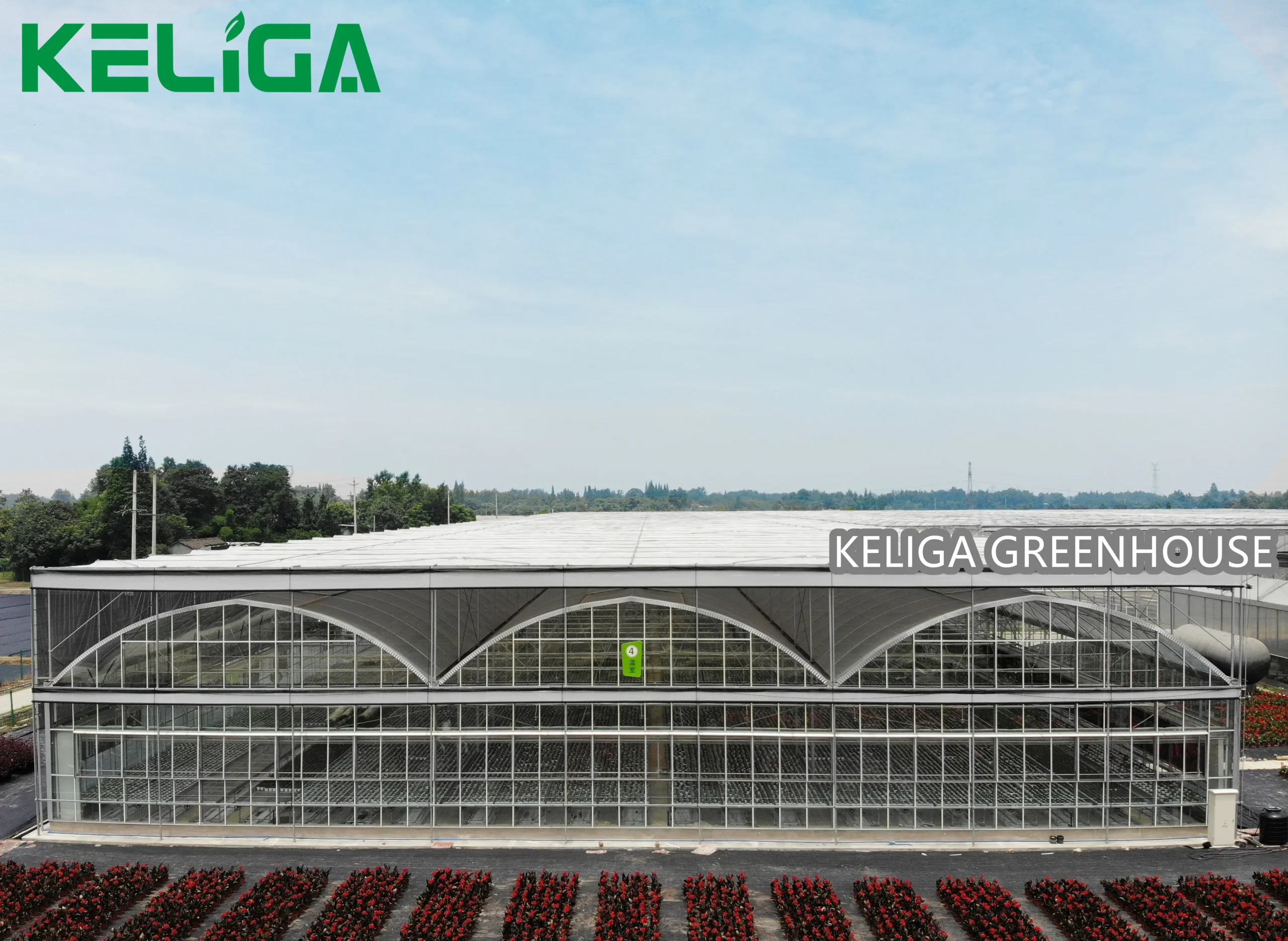
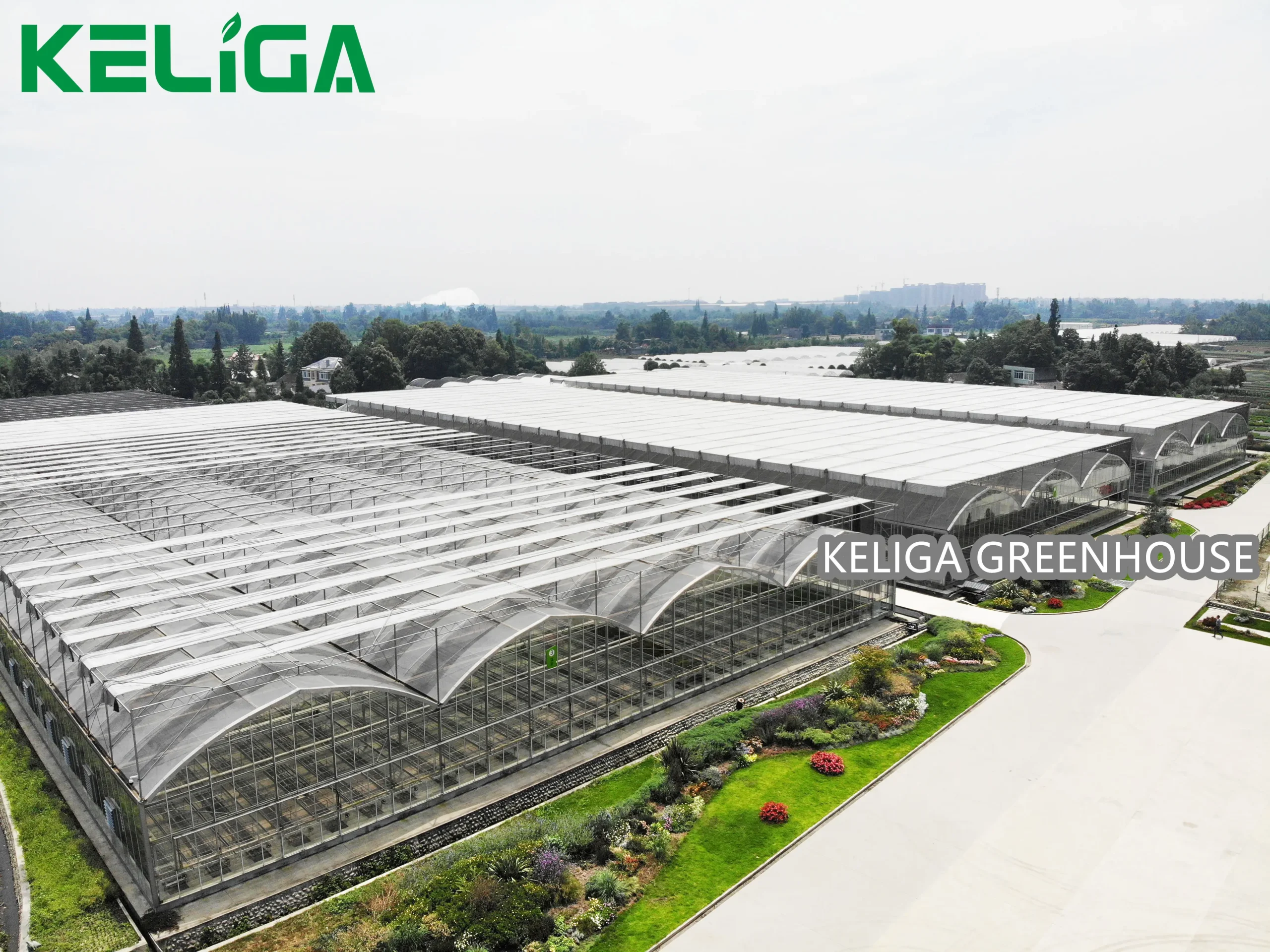
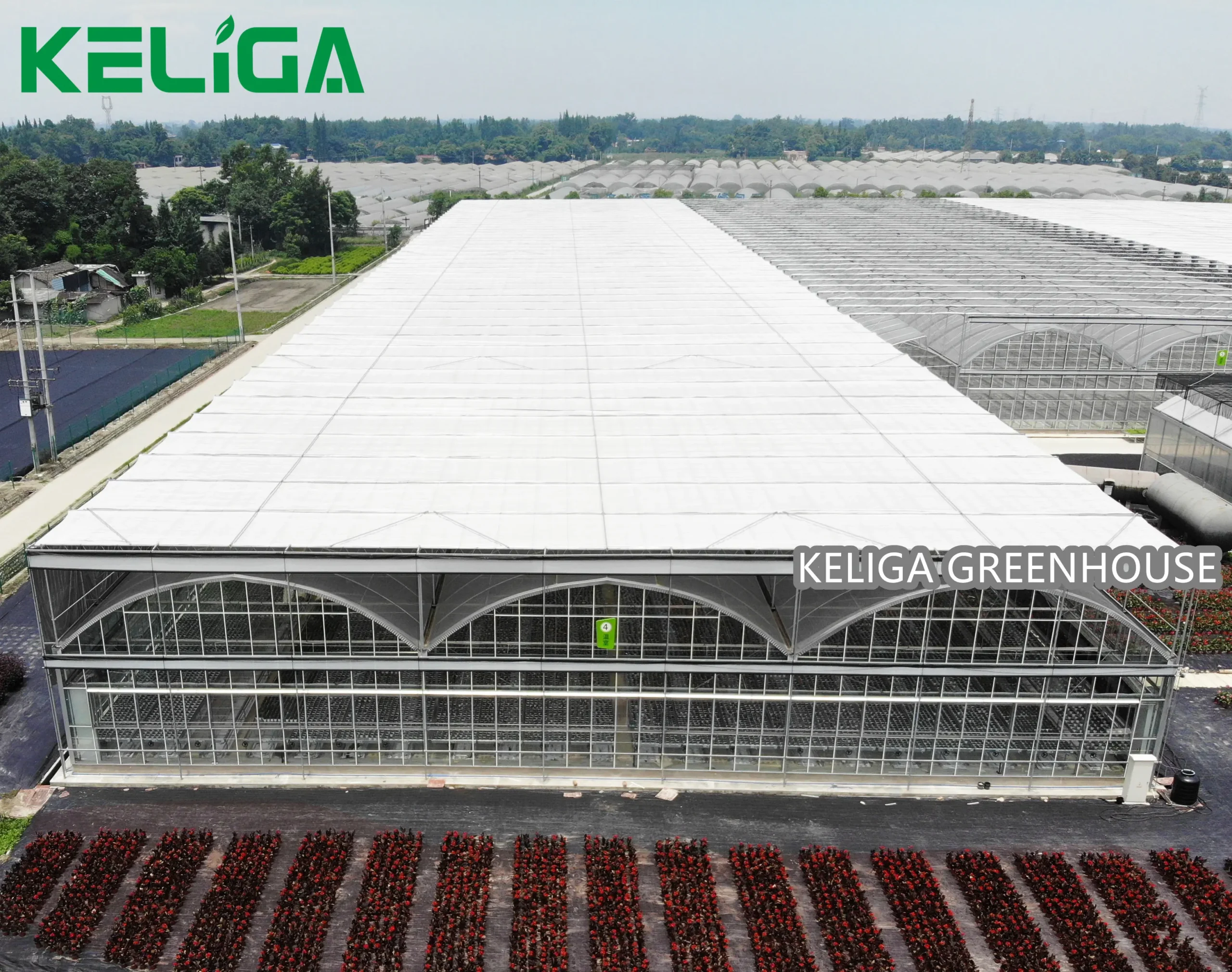
The seedling breeding base, built according to European standards, covers an area of approximately 300,000 square meters and is equipped with over 80,000 square meters of modern seedling greenhouses, a 60,000 square meter new variety testing area, and a 60,000 square meter new variety demonstration area.
🌱 Hybrid Engineering · 2026
Durable & Light-Transmissive:
Combined Plastic-Glass Greenhouse
Technical Specifications · Hybrid Panel Comparison Guide
The combined plastic-glass greenhouse (hybrid greenhouse) merges the high light transmittance of tempered glass with the superior insulation and impact resistance of polycarbonate (PC) panels. This innovative approach delivers an optimal balance between crop yield potential and structural resilience, making it the preferred choice for premium floriculture, high-value vegetable production, and research facilities.
Below is a comprehensive technical comparison across three panel configurations — Glass, Polycarbonate, and the Hybrid (Plastic-Glass) combination — based on ISO 9001 and EN 13031 greenhouse engineering standards.
Panel Performance Comparison
| Parameter |
Glass (Tempered) |
Polycarbonate (PC) |
Hybrid (Glass + PC) |
| Light Transmittance |
91% |
80% – 85% |
85% – 90% |
| Thermal Insulation (U-value) |
5.8 W/m²K |
2.8 W/m²K |
3.2 W/m²K |
| Impact Resistance (Hail / debris) |
Moderate (fracture risk) |
Very High (250x stronger than glass) |
High (optimized layering) |
| UV Protection (Coating) |
UV-blocking film required |
Integral UV layer (5–10 years) |
Integral UV + selective coating |
| Weight per m² |
~12 – 15 kg |
~2.5 – 4 kg |
~6 – 8 kg |
| Total Cost of Ownership (20 years) |
High (replacement + energy) |
Medium (UV degradation) |
Lowest (balanced lifespan & efficiency) |
Why Choose a Combined Hybrid Structure?
Optimized Light & Heat
☀️ 85–90% Transmittance · Low U-value
The hybrid configuration uses glass on the roof for maximum photosynthetic active radiation (PAR) while installing double-wall polycarbonate on sidewalls to minimize heat loss. This balanced approach increases winter crop yields by 12–18% compared to all-glass structures.
Unmatched Durability
🛡️ Impact-resistant · Hail-proof
Sidewalls and vulnerable zones are reinforced with 10mm polycarbonate panels that withstand hail impacts up to 10 kJ/m², eliminating the risk of sudden glass breakage while retaining the visual clarity of glass overhead.
Cost-Effective Lifecycle
💰 Lower energy & maintenance
Reduced heating bills (due to superior insulation) and minimal panel replacement costs give the hybrid design the lowest 20-year total cost of ownership. ROI improves by up to 22% over traditional glass greenhouses.
Engineering & Certification Standards
Structural compliance — All hybrid greenhouse designs referenced above meet EN 13031 (Greenhouse construction) and ISO 9001 quality standards. Wind load calculations follow ASCE 7‑22 and Eurocode 1, with safety factors adapted to local building codes.
Glazing options: 4–6mm tempered glass (roof) + 8–16mm twin-wall polycarbonate (sidewalls). Aluminum framing with thermal-break profiles prevents condensation and cold bridging.
Climate Adaptability
The combined plastic-glass system performs exceptionally well in temperate and subtropical climates. During summer, polycarbonate sidewalls diffuse harsh sunlight while glass roof panels allow for efficient natural ventilation when paired with automated ridge-opening systems. In winter, the insulated PC panels reduce thermal bridging, lowering heating demand by 15–20%.
Installation & Maintenance
Hybrid greenhouses utilize standard aluminum extrusion profiles, enabling rapid on-site assembly. Maintenance routines are simplified: glass roof panels require bi-annual cleaning to maintain 90% light transmission, while polycarbonate sidewalls need only annual inspections for UV coating integrity. The modular design supports future expansions and panel replacements without structural modification.
Ideal Applications
- ▹High-end cut flower production (roses, gerberas)
- ▹Research & breeding nurseries
- ▹Premium organic vegetable farms
- ▹Educational demonstration centers
🌿Hybrid Greenhouse Specs · v1.2📐 Durable · Light-Transmissive · Engineered📄© 2026 Greenhouse Engineering Solutions