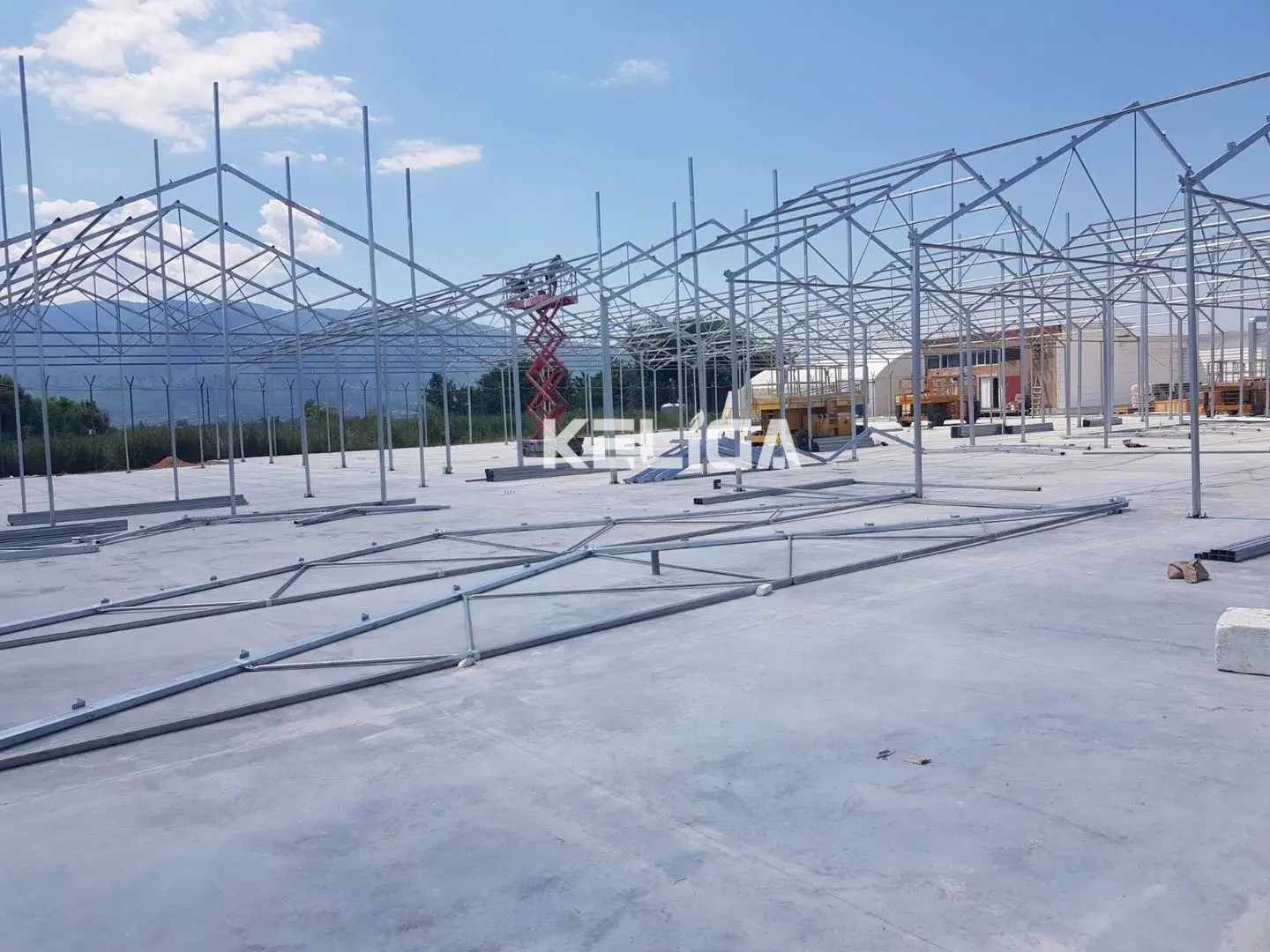
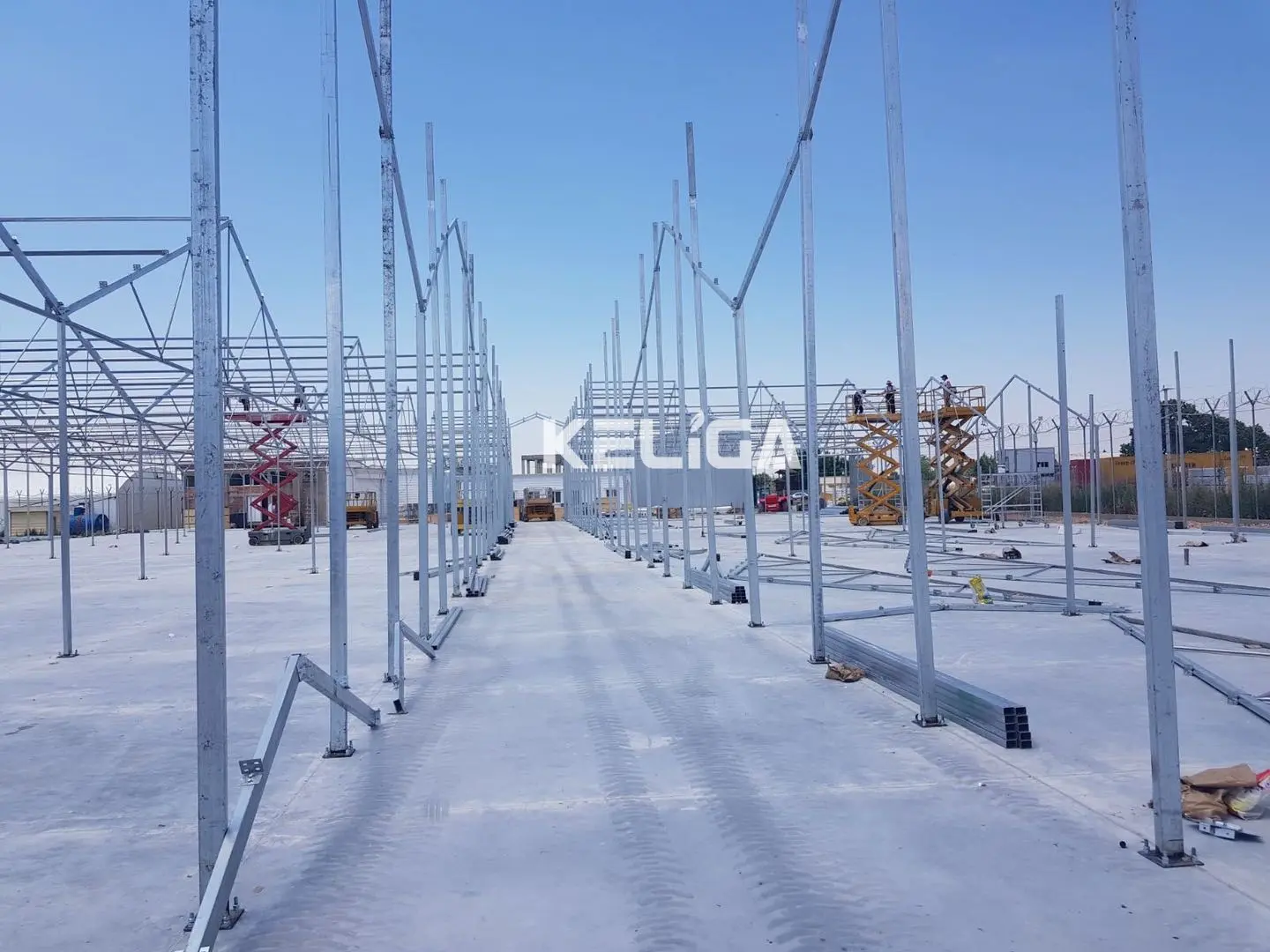
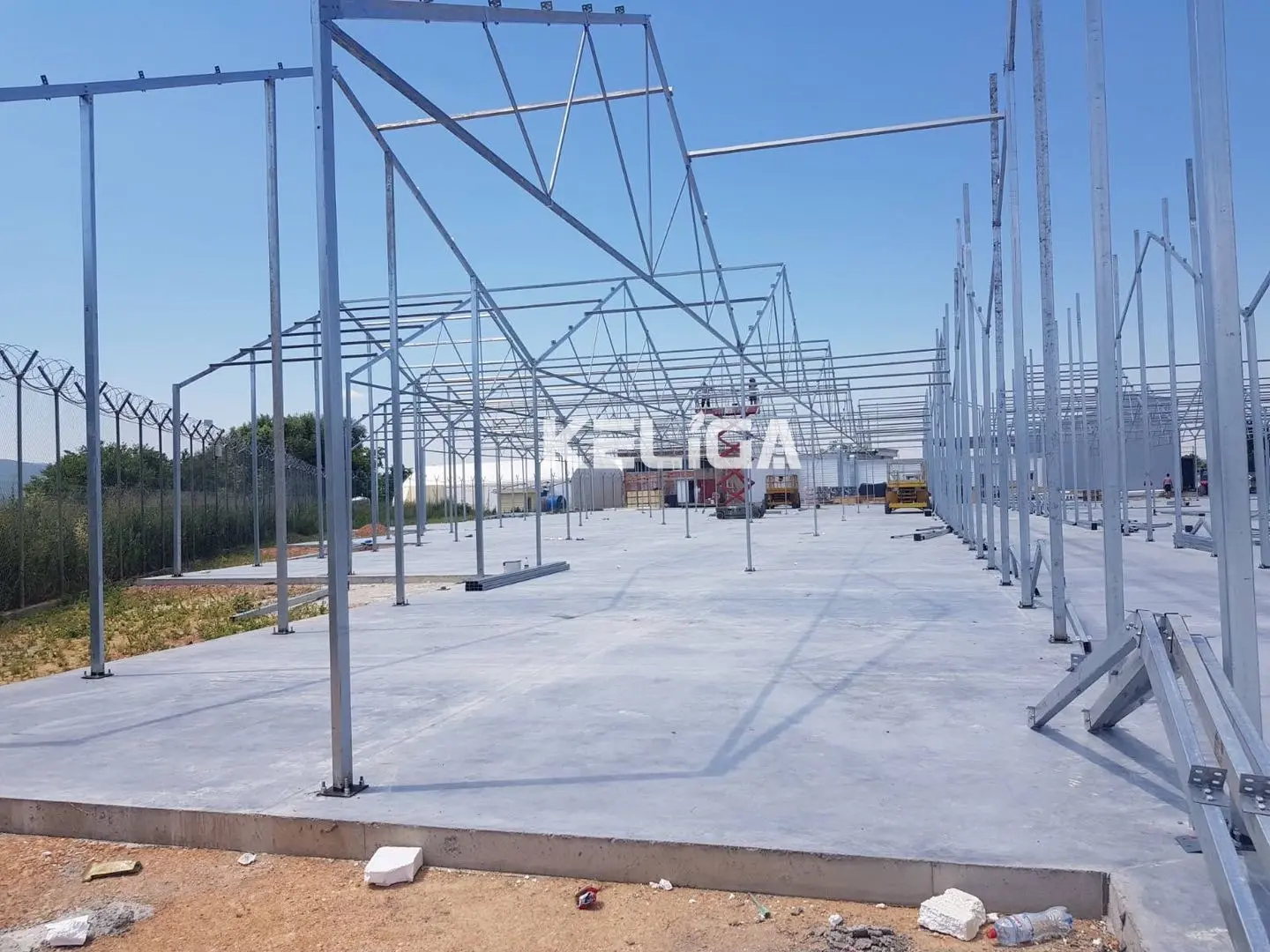
5-hectare Macedonian light deprivation polycarbonate greenhouse
The cost and construction cost of substrate cultivation are the lowest in soilless cultivation, and its practicality is significantly better than other soilless cultivation models.
5‑Hectare Macedonian Polycarbonate Light Deprivation Greenhouse
A Complete Turnkey Commercial Solution with Four Integrated Climate Control Systems
Why Macedonia Needs a 5‑Hectare Light Deprivation Greenhouse
Macedonia‘s agricultural sector is entering a decisive phase. Domestic vegetable production falls far short of demand, forcing the country to increasingly rely on imports. Vegetable prices have risen agressively, highlighting the bitter truth that local production is insufficient and North Macedonia is becoming more dependent on foreign supply. The country already imports tomatoes, peppers, cucumbers and other fresh vegetables, yet it possesses significant land resources for greenhouse expansion.
A 5‑hectare (50,000 m²) polycarbonate light deprivation greenhouse addresses this gap directly. This scale is large enough to shift a regional supply balance but remains operationally manageable. For a commercial grower, cooperative or investment group, a 5‑hectare installation can produce thousands of tonnes of high‑value vegetables per year, capturing both domestic market share and export opportunities.
The Climate Opportunity
Macedonia‘s climate is exceptionally well suited to greenhouse cultivation. The South‑East Region – one of the sunniest parts of the country – enjoys around 230 sunny days per year, with long, hot summers and mild winters. Summer months (June–August) bring daily mean temperatures of 22–25°C, with July recording the least rainfall and the longest daylight hours. This abundant solar resource reduces heating costs in winter and provides excellent natural light for crop production.
The light deprivation greenhouse is specifically engineered to harness these conditions while compensating for short‑day limitations. By precisely controlling photoperiod, growers can induce flowering and fruiting on demand – shortening crop cycles from 4‑5 months to as little as 8‑10 weeks, enabling 3–5 harvests per year per growing area.
What is the 5‑Hectare Polycarbonate Light Deprivation Greenhouse?
Polycarbonate Covering – Chosen for Macedonia
Polycarbonate panels are the ideal covering material for Macedonian conditions. While many Balkan greenhouses still use single‑layer polyethylene film, multi‑wall polycarbonate delivers decisive advantages. Twin‑wall or triple‑wall sheets (8–10mm thickness) provide a light transmission rate above 80% while offering far superior thermal insulation – typically retaining heat 30–40% better than single‑layer film. The panels block up to 99% of harmful UV radiation while diffusing incoming sunlight across a wide angle. This diffused light reaches plants from multiple directions, eliminating harsh shadows and preventing leaf burn – resulting in uniform, even growth across the entire 5‑hectare area. Polycarbonate is also virtually unbreakable, resistant to hail impact and vandalism, and carries a 10‑15 year UV‑protected lifespan – dramatically reducing long‑term maintenance costs compared to annual or semi‑annual film replacement.
Four Integrated Climate Control Systems
A 5‑hectare light deprivation greenhouse operates as a coordinated ecosystem. Each system serves a specific function, but they must work together seamlessly. The four essential systems are:
1. Light Deprivation System (Blackout Curtain)
The core innovation of the light deprivation greenhouse is its ability to create complete, controlled darkness on command. The system consists of a double‑layer or triple‑layer blackout curtain – typically a highly reflective white outer layer bonded to an opaque black core – suspended from the internal roof structure. When deployed, the curtain achieves 99.9% darkness within seconds, completely blocking external light and preventing any light leakage that could disrupt photoperiod accuracy.
The system is fully automated, controlled by a central climate computer that follows programmable photoperiod schedules. For short‑day crops that require long, uninterrupted darkness to initiate flowering, the blackout curtain deploys at precisely the same time each evening – simulating an artificial “night” regardless of actual sunset. When the dark period ends, the curtain retracts instantly, returning full natural sunlight to the crop. This precision allows growers to run 3–5 production cycles per year instead of the single outdoor harvest or limited 1‑2 cycles in a conventional greenhouse.
2. Shading System (External or Internal)
While the blackout curtain creates total darkness on demand, the shading system provides partial, graduated light reduction during daylight hours. Macedonian summer sunlight is intense; without shading, internal temperatures can exceed 40°C even with ventilation running, causing heat stress and reduced fruit set.
The shading system typically uses a reflective silver‑white knitted fabric installed either externally above the polycarbonate roof or internally below it. Shading rates range from 40–85%, adjustable in increments based on real‑time light intensity sensors (PAR or lux meters). When solar radiation exceeds a preset threshold – for example, 800 W/m² on a July afternoon – the shade curtain automatically deploys to the required percentage, protecting crops from photoinhibition while still allowing sufficient light for photosynthesis.
External shade is more effective at preventing heat from ever entering the greenhouse, as it reflects sunlight before it strikes the polycarbonate. Internal shade is simpler to install and maintain but allows some radiant heat to pass through the glazing first. Both configurations are available, and many 5‑hectare projects install external shade for maximum cooling efficiency.
3. Ventilation System (Natural and Fan‑Assisted)
Ventilation is the primary method of temperature and humidity control when the blackout curtain is open during daylight hours. The system combines two mechanisms:
Roof ridge vents – Continuous motor‑operated vents running the full length of each greenhouse bay. Powered by rack‑and‑pinion actuators or motorized push rods, these vents open upward to allow hot, humid air to escape by natural convection. The vent opening area is sized to cover 25–35% of the roof surface, a design feature that can achieve 8–12 air changes per hour under moderate wind conditions – enough to prevent overheating on most sunny days. Comparing the options: a well‑designed ridge vent system can achieve 8–12 air changes per hour naturally, effectively managing temperatures on most days, while mechanical fan systems provide positive‑pressure airflow independent of external wind but consume significant electricity – a trade‑off between passive economy and active control.
Sidewall roll‑up vents – Motorized film curtains along both sidewalls, positioned at crop level. When raised simultaneously with roof vents, they create cross‑ventilation: cool outside air enters through the sides, flows across the crop canopy, and exits through the roof. The control logic is fully automated: temperature and humidity sensors distributed across the 5‑hectare area transmit data to the central controller, which adjusts vent opening percentages independently for different zones.
For high‑summer conditions when natural ventilation is insufficient, the greenhouse can be equipped with exhaust fans on one end wall and motorized intake louvres on the opposite wall, providing positive‑pressure forced ventilation as a backup cooling mode.
4. Circulation System (Horizontal Air Flow)
The circulation system is often the most underestimated component, yet it is critical for crop uniformity and disease prevention – especially in a 5‑hectare structure where microclimates can vary significantly between bays. It employs horizontal airflow fans – small, energy‑efficient fans suspended from the roof structure at regular intervals, typically spaced 10–12 meters apart.
These fans run continuously or intermittently to mix the interior air, eliminating temperature stratification. Without circulation, warm air rises to the roof while cooler air settles at plant level, creating a temperature gradient that results in uneven growth across the greenhouse. More importantly, circulation prevents localized pockets of high humidity, which are the primary trigger for fungal diseases such as Botrytis, powdery mildew and downy mildew.
How Light Deprivation Transforms Crop Production in Macedonia
For conventional greenhouses in Macedonian conditions, the natural photoperiod dictates crop cycles. Winter days are short (as few as 8 hours of daylight in December) and light intensity is low, making winter production inefficient without expensive supplemental lighting. Spring and autumn days are moderate, while summer brings long days but high heat stress.
The light deprivation greenhouse severs the link between crop cycle and calendar. By creating artificial, controllable day/night cycles, growers can:
-
Force flowering on demand – Short‑day crops such as certain pepper varieties, strawberries and cut flowers initiate flowering only when exposed to uninterrupted dark periods of specific duration. The blackout system provides this trigger precisely when the grower wants it, rather than waiting for natural seasons.
-
Shorten crop cycles dramatically – With photoperiod optimized for each growth stage (long days for vegetative growth, short days for flowering), a complete tomato or pepper cycle can be reduced from 4–5 months to 8–10 weeks. This compression enables 3–5 crops per year from the same growing area, compared to 1–1.5 crops in conventional Macedonian greenhouses.
-
Stagger planting for continuous supply – With multiple independent bays, planting cycles can be offset. While Bay A is in late‑season flowering, Bay B is in early vegetative growth, and Bay C is being harvested. The result is 52‑week product availability, capturing premium off‑season prices.
-
Produce high‑value medicinal and ornamental crops – Light deprivation is standard technology for cannabis cultivation, but it is equally valuable for high‑value cut flowers (chrysanthemums, roses), medicinal herbs, and specialty vegetables where photoperiod sensitivity affects quality attributes.
Structural Engineering – European Standards for Macedonian Conditions
The 5‑hectare polycarbonate light deprivation greenhouse is designed to meet EN 13031‑1:2019, the European standard for commercial production greenhouses covering design and construction principles, mechanical resistance, stability, serviceability and durability for professional plant production.
Wind Load Design
The greenhouse frame is engineered to withstand design wind loads compliant with EN 13031‑1 Annex B (normative) wind action requirements. For Macedonian conditions, typical design values are 0.45–0.55 kN/m², corresponding to wind speeds of 90–110 km/h. This rating ensures structural integrity under the strongest wind events occurring in the region, which can include high gusts during spring and autumn transitional seasons. Continuous‑span purlin systems and cross‑bracing in each bay distribute wind forces evenly across the entire 5‑hectare structure, preventing localized overload.
Snow Load Design
Snow load is a critical consideration for Macedonian winters, which can bring moderate to heavy snowfall in higher‑elevation growing regions. The design snow load is sized at 0.40–0.50 kN/m² (40–50 kg per square meter), based on EN 13031‑1 Annex C snow action specifications with Macedonian National Annex values. The multi‑span peaked roof geometry with gutters between spans promotes snow shedding: as snow accumulates on the roof slope, its own weight causes it to slide down and into the gutters, which are designed with sufficient depth and strength to carry the accumulated load until drainage. For additional safety in snow‑prone areas, optional snow melting systems (electrical heating cables along gutters) or increased structural reinforcement are available.
Complete Technical Specifications – 5‑Hectare Package
| Specification | Details |
|---|---|
| Total area | 50,000 m² (5 hectares) ±3% |
| Covering material | UV‑stabilized polycarbonate hollow sheet, 8mm or 10mm twin‑wall / triple‑wall |
| Polycarbonate light transmission | 82–88% (new panels), maintains >75% after 10 years |
| Polycarbonate UV warranty | 10–15 years |
| Frame material | Hot‑dip galvanized steel, Q235B / Q355B grade, double‑sided galvanization, 15–20 year warranty |
| Span configuration | Multi‑span, 8.0m / 9.6m / 10.8m / 12.0m bay width |
| Column spacing | 4.0m (standard) |
| Eave height | 4.5–6.0m (customized for crop type) |
| Ridge height | 6.0–7.5m |
| Wind load (design) | 0.45–0.55 kN/m² (90–110 km/h), EN 13031‑1 compliant |
| Snow load (design) | 0.40–0.50 kN/m² (40–50 kg/m²), EN 13031‑1 compliant |
| Dead load capacity | 0.15–0.20 kN/m² |
| Live load (crop hanging) | 0.15–0.20 kN/m² |
| Light Deprivation System | Double‑layer or triple‑layer blackout curtain, 99.9% opacity, motorized rack‑and‑pinion drive, programmable photoperiod control |
| Shading System | External or internal reflective shade curtain, 40–85% shading rate, motorized, integrated with light sensors |
| Ventilation System – Roof | Continuous motorized ridge vents, rack‑and‑pinion or push‑rod actuators, 25–35% vent area |
| Ventilation System – Sidewall | Motorized roll‑up film on both sidewalls, synchronized control |
| Ventilation System – Fans (optional) | Exhaust fans + motorized intake louvres, forced ventilation mode |
| Circulation System | Horizontal airflow fans, 3‑6 units per 1,000 m² (approx. 150–300 units for 5 ha), 0.3–0.5 m/s air speed, zoned control |
| Control system | Central climate computer, sensor inputs (temperature/humidity/light/CO₂), automated output control for all 4 systems, remote monitoring via PC/tablet/phone; independent zone control for 5‑hectare area |
| Drip irrigation & fertigation | Mainline supply pipe, drip tape per planting row, fertigation injector (venturi or diaphragm pump), programmable timer controller |
| Heating system (optional) | Gas‑fired hot water boiler, overhead finned pipe distribution, sized 100‑150 W/m² for winter heating |
| Cooling pad system (optional) | Evaporative cellulose wet curtain + exhaust fans, 5‑8°C cooling effect |
| Foundation | Concrete column footings + perimeter grade beam, designed to frost depth (Macedonia: 60–80cm) |
| Assembly | Bolt‑together construction, no on‑site welding required, complete installation manual |
| Certifications | EN 13031‑1:2019 (design compliance), ISO 9001:2015 (quality management), CE (electrical safety) |
| Delivery lead time | 120‑180 days from order confirmation |
| Installation time | 60‑90 days (5 ha, with local crew + supervisory team) |
Customization available: higher wind/snow ratings, IoT remote monitoring upgrade, CO₂ enrichment, supplemental LED lighting, hydroponic or soilless cultivation systems, thermal energy screens.
Crop Schedules with Light Deprivation in Macedonia
| Crop | Conventional greenhouse cycles/year | Light deprivation cycles/year | Peak harvest timing controlled |
|---|---|---|---|
| Tomatoes (indeterminate high‑wire) | 1.5‑2 | 3‑4 | Any month – winter premium prices |
| Sweet & bell peppers | 1‑1.5 | 3 | Staggered for continuous supply |
| Cucumbers (parthenocarpic) | 2‑2.5 | 4‑5 | Year‑round |
| Strawberries (everbearing) | 2 | 4‑5 | January‑April (off‑season) |
| Leafy greens (lettuce, arugula, basil) | 3‑4 | 8‑10 | Continuous weekly harvest |
| Cut flowers (chrysanthemums, roses) | 1‑2 | 3‑5 | Scheduled for calendar holidays |
Figures are illustrative based on industry benchmarks; actual cycles depend on variety, climate control precision and market harvest windows.
Why Choose This 5‑Hectare Polycarbonate Light Deprivation Greenhouse for Macedonia?
-
Optimized for the Macedonian climate – Designed for 230 sunny days/year, high summer radiation, moderate winters
-
Four integrated systems – Light deprivation + shading + ventilation + circulation, fully automated and coordinated
-
Polycarbonate construction – 10‑15 year UV warranty, 30‑40% better insulation than single film, diffused light for uniform growth
-
European structural compliance – EN 13031‑1 certified with wind and snow loads engineered for local conditions
-
Commercial scale – 5 hectares delivers meaningful market impact but remains operationally manageable
-
IPARD‑eligible – Qualifies for EU pre‑accession rural development investment support
-
Strategic investment status available – Significant tax and fee reductions for qualifying large projects
-
Turnkey delivery – Complete package including all four systems, control hardware, sensors, frame, covering, and full installation documentation
-
Local support – Onsite installation supervision, operator training, spare parts supply, ongoing technical assistance
Summary – A Production Asset, Not Just a Building
A 5‑hectare polycarbonate light deprivation greenhouse is not a collection of pipes, panels and motors. It is a high‑throughput production machine – one that converts sunlight, water and nutrients into harvestable crop biomass on a programmed schedule, independent of the natural calendar.
For Macedonian growers and investors, this technology offers a clear path out of import dependence. It shifts the balance from competing on open‑field commodity prices to capturing high‑value, off‑season premium markets. At 5 hectares, the scale is large enough to matter in the national supply chain but small enough to manage with a single well‑trained team.


R&D Focus Areas
We focus on several core R&D areas, dedicated to solving key direction challenges in the energy storage sector.
Our Process
Steps to Your Greenhouse
1. Consult
We begin with a personalized consultation to capture your vision and needs.
2. Design
Our experts craft a detailed plan with eco-friendly practices for your approval.
3. Execute
Our skilled team transforms your space with precision and care.

The Goal
Our Mission
To transform outdoor spaces into beautiful, functional, and sustainable environments that enhance our clients’ lifestyles while respecting the natural world. We are committed to delivering exceptional service and innovative solutions through our passion for gardening and landscaping.
The Outlook
Our Vission
To be the leading provider of eco-friendly gardening and landscaping services, inspiring communities to embrace sustainable practices and appreciate the beauty of nature in their everyday lives. We envision a future where every outdoor space reflects harmony between human creativity and the natural environment.