Oklahoma, U.S.A 40 Unit 30x100ft polycarbonate greenhouse
The cost and construction cost of substrate cultivation are the lowest in soilless cultivation, and its practicality is significantly better than other soilless cultivation models.
Commercial Greenhouse Project Proposal
40-Unit 30 ft × 100 ft Polycarbonate Greenhouse Complex
Oklahoma, U.S.A.
1.Executive Summary
This proposal outlines the complete technical, operational, and financial specifications for a 40‑unit commercial greenhouse complex in Oklahoma, covering 120,000 sq ft of growing space. Each unit measures 30 ft wide × 100 ft long and is engineered with 8 mm twin‑wall polycarbonate glazing, high‑load steel arch framing, integrated shading, light deprivation curtain systems, and zoned heating infrastructure. The design is purpose‑built to withstand Oklahoma’s 115 mph ultimate wind speeds, hail, temperature extremes, and expansive clay soils, delivering year‑round production capacity for wholesale vegetable, ornamental, or medicinal crops.
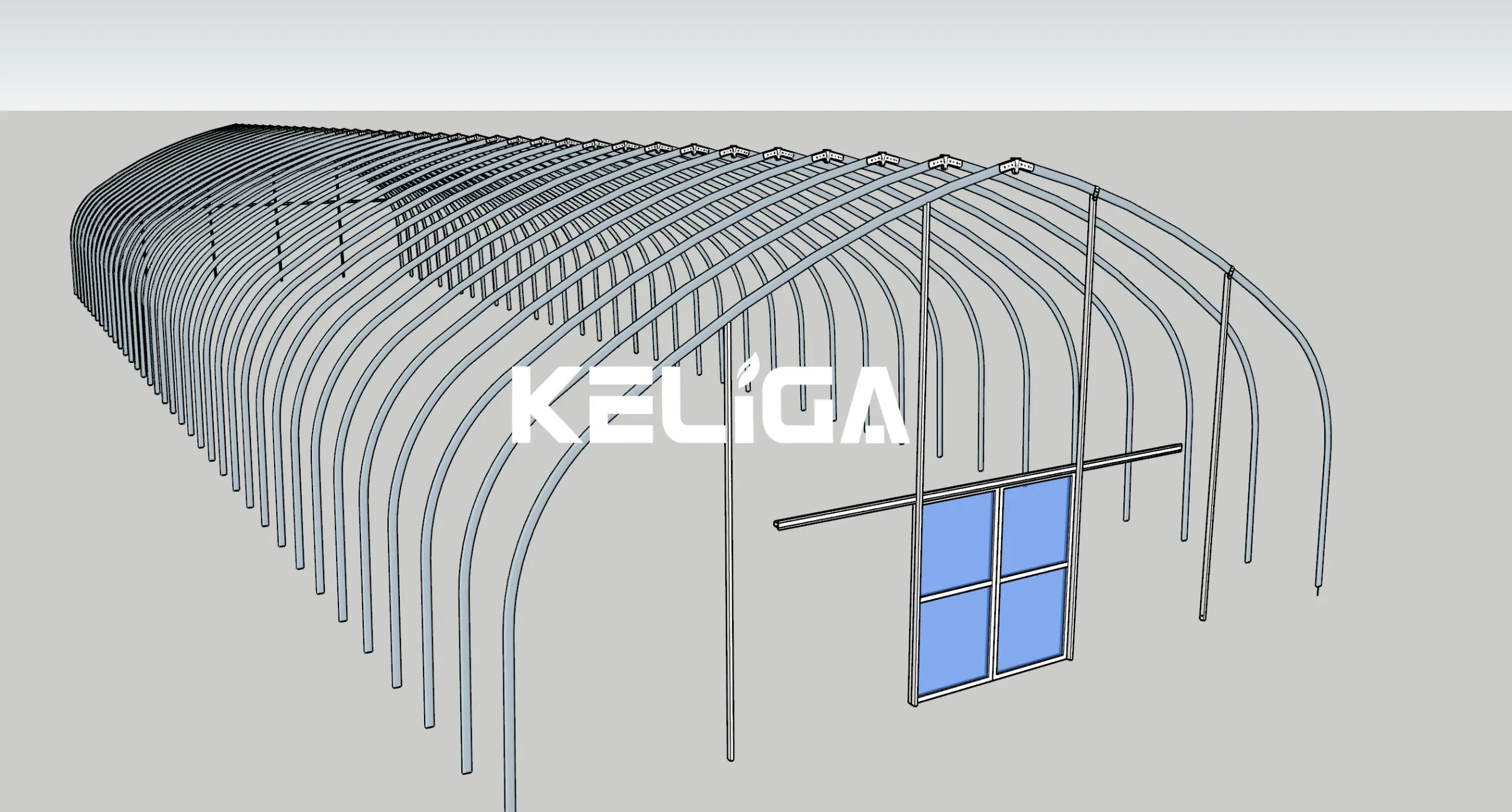
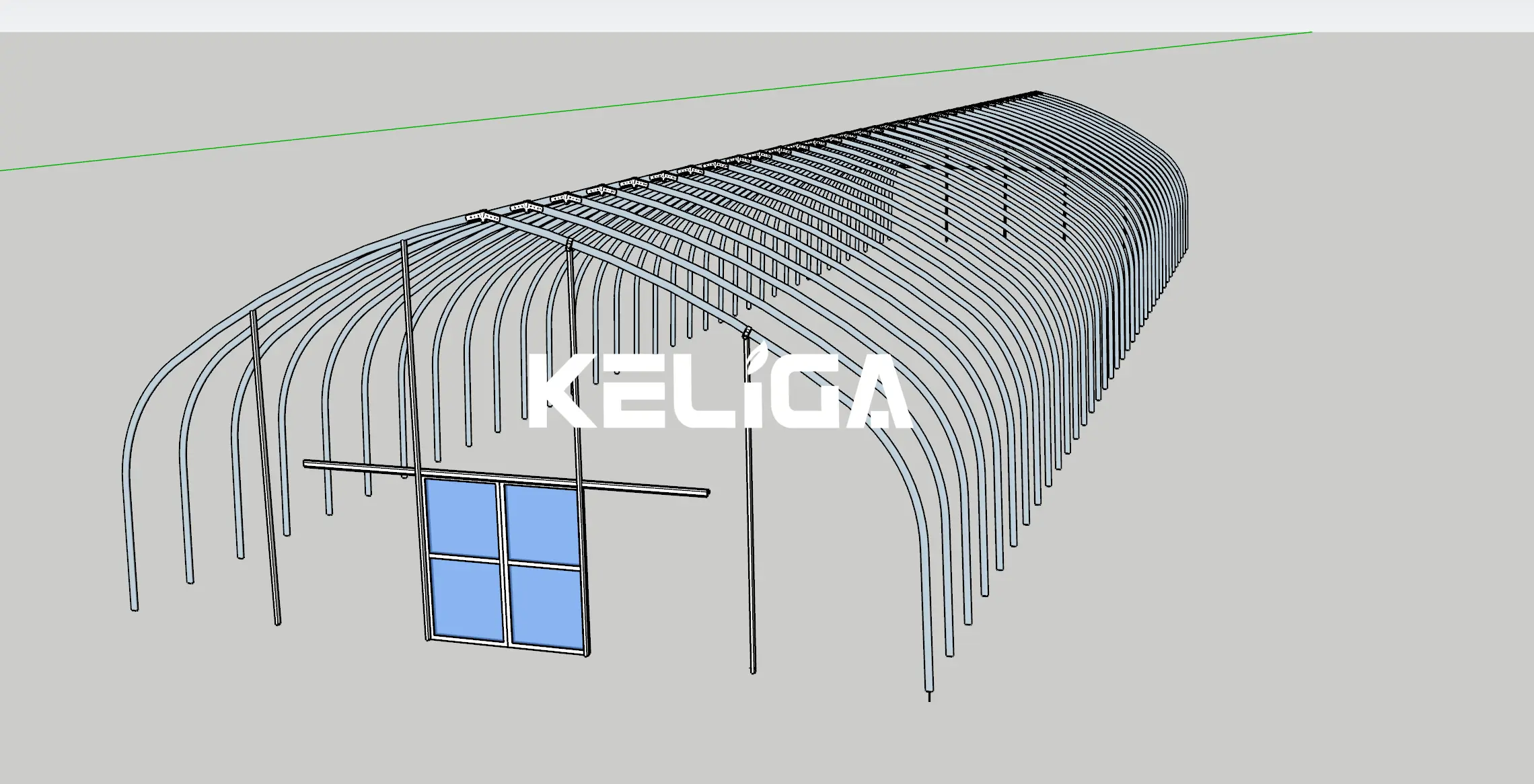
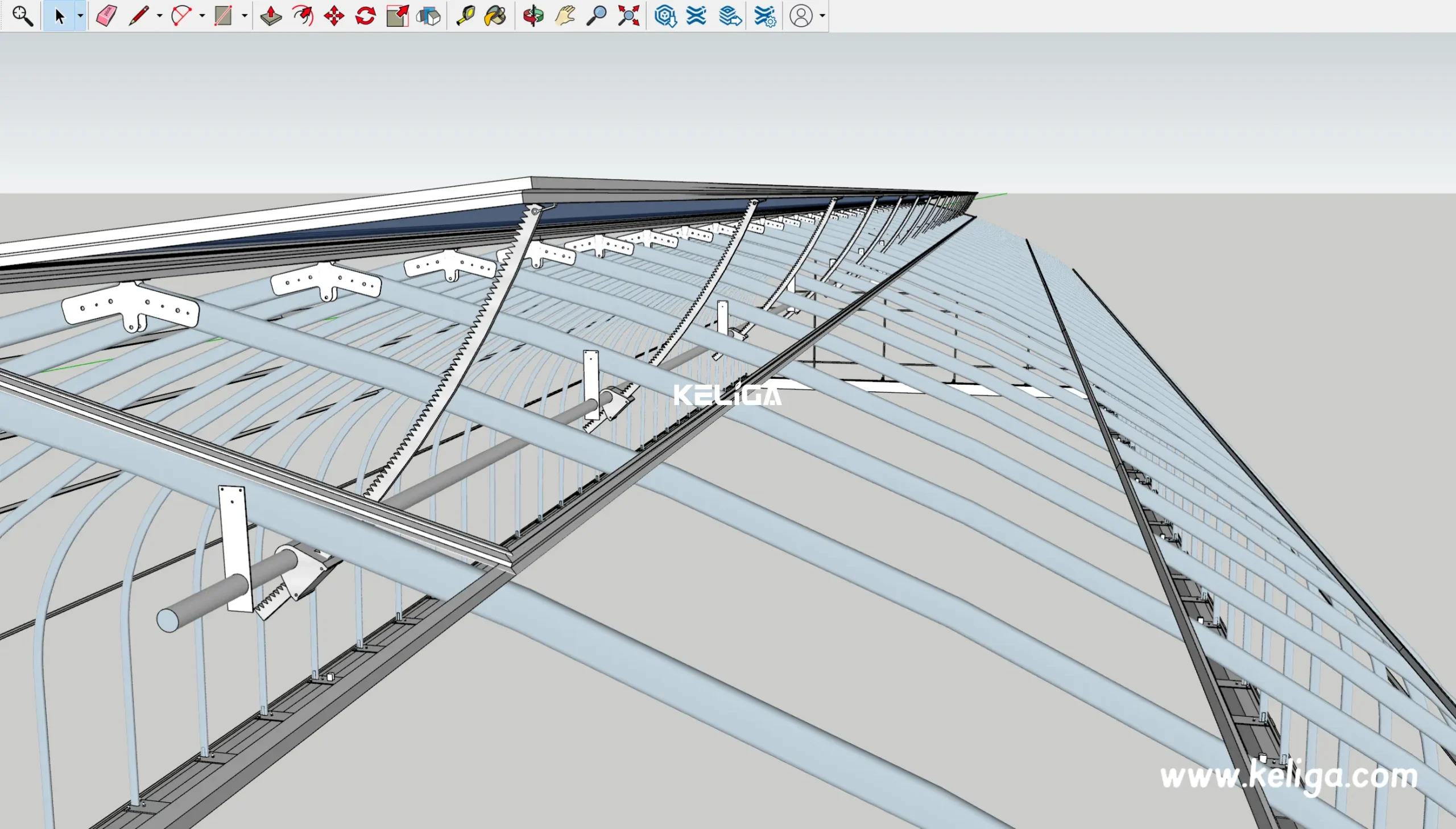
2.Structural: 80 mm × 30 mm × 2 mm Oval Arch at 1 m Spacing
The 80 mm × 30 mm × 2 mm oval steel pipe is selected for its superior strength‑to‑weight ratio. Oval geometry provides enhanced bending resistance under wind and snow loads compared to round pipe of equivalent mass. The 1‑meter arch spacing creates a dense framework that distributes point loads—such as hail impact or snow accumulation—across multiple members, preventing localized failure.
Why this matters for Oklahoma: A 115 mph wind exerts approximately 16,000 lbs of lateral force on a 10 ft × 100 ft sidewall. The combination of 80 mm × 30 mm oval arches and 1 m spacing creates a redundant load path, ensuring structural integrity even when individual members are compromised.
3.Oklahoma‑specific advantages:
Hail resistance: The 8 mm panel absorbs hail impact without shattering. Oklahoma averages multiple severe hail events annually, making this non‑negotiable.
Thermal insulation: Air‑filled channels reduce heat loss by up to 40% compared to single‑layer glazing, directly cutting winter heating costs.
Diffused light: 80–90% light diffusion eliminates shadow burn and promotes uniform plant growth, critical during Oklahoma’s intense summer sun.
Recommendation: Use clear or soft‑white diffusion panels for the roof and sidewalls. For end walls requiring full blackout for photoperiod control, specify white/black/white 8 mm panels (0% light transmission).
4.Terms & Conditions
All cost estimates are preliminary and subject to change based on market conditions, site‑specific factors, and final specification selections.
Structural engineering and geotechnical reports are required prior to permit application.
Lead times for 40‑unit orders of custom‑fabricated arches and polycarbonate panels typically range from 10–20 weeks from order confirmation.
Installation of curtain systems and HVAC should be performed by certified contractors familiar with Oklahoma climate requirements.
Warranties: 8 mm polycarbonate glazing includes 15‑year UV warranty and 10‑year hail impact warranty. Structural steel warranted against corrosion per manufacturer terms.
This proposal does not constitute a binding contract. A formal agreement with detailed specifications, payment terms, and performance schedules will be prepared upon acceptance.
Category | Parameter | Specification | Oklahoma Climate Justification |
Project scale | Number of units | 40 | Economies of scale for bulk material purchase and shared utilities |
| Unit dimensions | 30 ft (W) × 100 ft (L) | 3,000 sq ft per unit |
| Total growing area | 120,000 sq ft |
|
Structural frame | Arch shape | Oval pipe | Higher bending resistance than square/round tube under wind load |
| Arch dimensions | 80 mm × 30 mm (major × minor axis) | Optimized strength‑to‑weight |
| Wall thickness | 2 mm | Adequate rigidity for 115 mph gusts |
| Arch spacing | 1 m (3.28 ft) | Dense spacing distributes wind and snow loads across multiple members |
| Material | Hot‑dip galvanized steel (HDG 275 g/m²) | Corrosion resistance in humid greenhouse environment |
| Foundation | Reinforced concrete perimeter + helical screw anchors (every 4‑6 ft) | Essential for Oklahoma’s expansive clay soils |
| Design wind speed | 115 mph (ultimate, 3‑sec gust) | Per ASCE 7‑16 / IRC Table R301.2(1) for most of Oklahoma |
| Design snow load | 20 psf minimum (some counties 30 psf) | Handles occasional heavy snow events |
| Frost depth | 12–18 inches (county‑dependent) | Prevents heaving from freeze‑thaw cycles |
Glazing | Type | 8 mm twin‑wall polycarbonate | Impact‑resistant and insulating |
| Light transmission (clear) | 80% | High PAR for crop growth |
| R‑value | 1.72 | Reduces winter heat loss by ~40% vs. single layer |
| U‑factor | 0.58 BTU/(hr·ft²·°F) | Lowers heating fuel consumption |
| Hail impact resistance | 300× stronger than glass | Oklahoma is in “Hail Alley” (1–4 inch hail common) |
| UV protection | 99.5% blocking, both sides; 15‑year warranty | Prevents yellowing and degradation |
| Hail damage warranty | 10‑year replacement | Critical for severe storm seasons |
| Anti‑condensate coating | “No‑Drip” interior surface | Reduces foliar disease in humid conditions |
Shading system | Type | Motorized retractable reflective shade curtain |
|
| Shade percentage | 50–70% adjustable | 50% for leafy greens, 70% for flowering crops |
| Operation | Automated with climate computer (light/temp sensors) | Reacts in real time to intense Oklahoma sun |
| Summer protocol (>95°F) | Deploy 50% shade 11 AM – 4 PM | Reduces cooling load 30‑50% |
| Extreme heat (>105°F) | Full 70% shade + fan‑and‑pad cooling | Prevents crop scorch |
Light deprivation | Type | 100% blackout curtain (white/black/aluminized layers) |
|
| Light blocking | Zero transmission | Enables precise photoperiod control for flowering |
| Operation | Fully automated motorized, 24‑hr programmable | Short‑day / long‑day cycles without labor |
| Thermal retention | Reduces night heat loss by 35% (single curtain) | Doubles as energy curtain → saves heating fuel |
| Double curtain option | Additional 15% reduction (50% total) | For extra‑cold Oklahoma winters |
Heating system | Primary recommendation | Central hydronic (hot water) boiler with zoned distribution | Even heat, best for 40‑unit scale |
| Alternative | Propane / natural gas unit heaters (forced air) | Lower upfront cost, individual unit control |
| Fuel source | Natural gas (grid) or propane (rural) | Oklahoma has extensive gas infrastructure |
| Zone control | Independent thermostat per unit | Crop‑specific temperatures; unused units kept cooler |
| 99% heating design temp | 4°F to 7°F (central Oklahoma) | Prevents freeze damage during polar vortex events |
| Thermal mass supplement | 55‑gallon water drums (1 per 50 sq ft) | Passive heat storage – absorbs day, releases night |
| Root‑zone heating | Cables or pipes at 6–12″ depth | Uses 30‑50% less energy than air heating |
Cooling & ventilation | Exhaust fans | ≥10,000 CFM per 3,000 sq ft unit | Rapid air exchange for summer heat |
| Evaporative cooling | Fan‑and‑pad system (4‑6″ cellulose pads) | Provides 10‑15°F temperature drop |
| Roll‑up sidewalls | 6 ft height, manual or motorized | Natural ventilation when outside <90°F |
| Cooling protocol (80‑90°F) | Sidewalls + HAF fans only | Zero energy cost for cooling |
| Cooling protocol (90‑100°F) | Fan‑and‑pad + 50% shade | Inside 80‑88°F |
| Cooling protocol (100‑105°F) | Full fan‑and‑pad + HAF + 70% shade | Inside 85‑92°F |
| Extreme >105°F | 70% shade + fan‑and‑pad + reduced crop load | Inside 90‑98°F (heat‑tolerant varieties) |
R&D Focus Areas
We focus on several core R&D areas, dedicated to solving key direction challenges in the energy storage sector.


Our Process
Steps to Your Greenhouse
1. Consult
We begin with a personalized consultation to capture your vision and needs.
2. Design
Our experts craft a detailed plan with eco-friendly practices for your approval.
3. Execute
Our skilled team transforms your space with precision and care.

The Goal
Our Mission
To transform outdoor spaces into beautiful, functional, and sustainable environments that enhance our clients’ lifestyles while respecting the natural world. We are committed to delivering exceptional service and innovative solutions through our passion for gardening and landscaping.
The Outlook
Our Vission
To be the leading provider of eco-friendly gardening and landscaping services, inspiring communities to embrace sustainable practices and appreciate the beauty of nature in their everyday lives. We envision a future where every outdoor space reflects harmony between human creativity and the natural environment.