Australia Polycarbonate Greenhouse – Built for the Sun, Hail & Heat
The cost and construction cost of substrate cultivation are the lowest in soilless cultivation, and its practicality is significantly better than other soilless cultivation models.
Australia Polycarbonate Greenhouse – Built for the Sun, Hail & Heat
Finally, a greenhouse that can handle the Australian climate.
From the scorching summers of Perth to the hailstorms of Sydney and the high UV of Queensland – our polycarbonate greenhouses are engineered specifically for Aussie conditions. No more torn plastic films, no more shattered glass, and no more cooked plants.
Why polycarbonate instead of glass or film?
Glass breaks under hail and transmits harsh UV that burns leaves. Plastic film tears in storms and needs replacing every 2‑3 years. Twin‑wall polycarbonate is different: it diffuses intense sunlight, blocks 99.9% of UV, resists hailstones, and holds heat during cold nights – all while being lightweight and easy to install.
Key Features for Australian Growers
1. Hail & Impact Resistance – AS/NZS 4020 Tested
8 mm twin‑wall or 10 mm triple‑wall polycarbonate – up to 200 times stronger than glass.
Withstands hailstones up to 35 mm diameter (standard test per AS/NZS 4020).
No more crop loss after a sudden summer storm – common in Melbourne, Canberra, Toowoomba.
2. 100% UV Protection – Safe for You & Your Plants
Polycarbonate sheets are co‑extruded with a UV‑blocking layer that stops 99.9% of harmful UV‑B and UV‑C.
Protects your skin during work – no more drenching in sunscreen.
Prevents leaf scorch and fruit sunburn, especially on crops like capsicums, eggplants, and chillies.
3. Light Diffusion – No More “Hot Spots”
Unlike clear glass or film, twin‑wall polycarbonate scatters incoming light evenly across the canopy.
Eliminates burning shadows while still delivering 85‑90% light transmission – ideal for high‑light crops (tomatoes, cucumbers, herbs) and shade‑loving plants (lettuce, orchids) alike.
Consistent light means uniform growth, better pollination, and fewer malformed fruits.
4. Thermal Insulation – Beat the Night Cold
Twin‑wall polycarbonate has an insulation value (R‑value) ~1.8 – 2.2 – up to 30% better than single glass.
Keeps heat inside on winter nights (Australia’s frost zones: Ballarat, Hobart, Orange) without expensive heating.
Reduces condensation drip – anti‑drip coating on inner layer prevents water droplets from falling onto leaves.
5. Hot‑Dip Galvanised Steel Frame – Zero Rust
Frame: 60 mm × 60 mm square pipe or 80 mm round pipe, 1.5 – 2.0 mm wall thickness.
Zinc coating ≥ 275 g/m² (equivalent to Z275) – resists salty coastal air (Perth, Gold Coast, Adelaide).
Wind speed rating: 120 km/h – survived tested cyclonic conditions (Cairns, Darwin customers confirmed).
6. Natural & Automated Ventilation – Cool on 40°C Days
Ridge roof vents (manual or rack‑and‑pinion motorised) – hot air naturally exits at the peak.
Roll‑up side curtains with insect netting – cross‑ventilation at plant level.
Optional automatic vent openers (wax piston or electric) – open when temperature rises, close when it drops.
Without fans, you can maintain inside temperature within 3‑5°C of outside – even during an Australian heatwave.
7. Easy Assembly – DIY or Professional
Bolt‑together design – no welding required. Every pipe is pre‑cut, pre‑drilled, and numbered.
Detailed manual + QR video instructions (English).
Two people can assemble a 6 m × 12 m unit in 2‑3 days.
Flat‑packed for 20‑foot or 40‑foot containers – shipped from China to any Australian port (Sydney, Melbourne, Brisbane, Fremantle).
Technical Specifications (Standard Sizes)
| Parameter | Value |
|---|---|
| Width | 4 m, 6 m, 8 m, 9.5 m, 12 m |
| Length | 6 m – 50 m (custom) |
| Side height (gutter) | 2.5 m, 3 m, 4 m |
| Ridge height | 4 m – 6.5 m (depending on span) |
| Frame material | Hot‑dip galvanised steel Q235B, Z275 |
| Polycarbonate thickness | 4 mm (budget), 6 mm, 8 mm (standard), 10 mm (cold regions) |
| Polycarbonate structure | Twin‑wall or triple‑wall, UV coated both sides, anti‑drip |
| Light transmission | 80 – 90% (8mm twin‑wall: ~85%) |
| Thermal insulation U‑value | 3.0 – 3.5 W/m²·K (8mm twin‑wall) |
| Wind resistance | 120 km/h (tested) |
| Snow load | 0.25 – 0.50 kN/m² (optional) |
| Warranty – frame | 10 years anti‑rust |
| Warranty – polycarbonate | 10 years against yellowing/deterioration |
Available Add‑on Systems (Customise for Your Region)
| Add‑on | Benefit for Australian Conditions |
|---|---|
| Automated shading screen | 50‑75% shade – cuts peak summer heat by 5‑8°C. Ideal for QLD, NT, WA. |
| Drip irrigation kit | 16 mm drip line, pressure regulator, 120‑mesh filter – saves water (drought zones). |
| Fan & pad cooling | Evaporative cooling – drops temperature by 8‑12°C on 40°C+ days. |
| Heating system | Electric fan heater or hot water pipes – for frost‑prone regions (Tasmania, ACT, Victoria). |
| Hydroponic systems | NFT channels, Dutch buckets, or deep water culture – maximises yield per square metre. |
| Insect netting | 40‑60 mesh on all vents – keeps out whiteflies, aphids, thrips (no chemical sprays). |
| Automated controller (IoT) | Monitors temp, humidity, light; controls vents, shade, fans remotely via phone app. |
Suitability for Australian Climates – Region by Region
| Region | Climate Challenge | How This Greenhouse Solves It |
|---|---|---|
| Queensland (Brisbane, Cairns, Townsville) | High UV, intense heat, humidity, cyclonic winds | UV‑blocking polycarbonate, roll‑up sides for max airflow, 120 km/h wind frame, optional shading |
| New South Wales / ACT (Sydney, Canberra) | Hailstorms, summer heat, winter frost | 8mm hail‑rated polycarb, insulation for Canberra frosts, automatic vent openers |
| Victoria (Melbourne, Ballarat) | Hail, sudden temp drops, wet winters | Twin‑wall insulation, anti‑drip coating, strong hail resistance |
| Western Australia (Perth) | Extreme dry heat, salty coastal air | Z275 galvanised against salt, shading + fan/pad cooling, drought‑smart drip irrigation |
| South Australia (Adelaide, Murray Bridge) | Hot dry summers, cool nights | Diffused light for intense sun, insulating polycarb for night cooling |
| Tasmania (Hobart, Launceston) | Low sunlight, heavy frost, wind | High light transmission (90%), optional heating system, wind bracing |
| Northern Territory (Darwin) | Monsoon, very high humidity, strong sun | Roll‑up sides + insect netting, water‑resistant frame, optional misting cooling |
Top Crops for Australian Polycarbonate Greenhouses
| Crop | Season Extension Benefit |
|---|---|
| Tomatoes (truss, cherry, heirloom) | Harvest from August to May (instead of Dec–Mar) – premium off‑season prices |
| Capsicums & chillies | Protected from sunscald and fruit fly – cleaner, class‑A fruit |
| Cucumbers (Lebanese, telegraph) | Higher trellising yields, fewer pests, 3‑4 harvest cycles per year |
| Leafy greens (lettuce, spinach, kale, Asian greens) | Year‑round production even in Queensland summer – use shade + fog |
| Herbs (basil, coriander, parsley, mint) | Clean, washed‑ready bunches, no insect damage |
| Berries (strawberries, raspberries) | Elevated gutters + polycarb roof = clean, off‑ground fruit, bird‑proof |
| Cut flowers (roses, gerberas, lilies) | Stem length and bloom uniformity improved by diffused light |
| Orchids & tropical foliage | UV protection prevents leaf bleaching; humidity control |
Case Study Snapshot (Hypothetical but Realistic)
Location: Hawkesbury, NSW (temperate, hail risk)
Greenhouse: 8 m × 20 m polycarbonate, 8 mm twin‑wall, manual vents + shade cloth
Crop: Truss tomatoes (off‑season)
Before greenhouse: Single summer harvest (Dec–Feb), high losses to hail (2 events in 3 years), fruit fly damage, sunburn.
After greenhouse:
Harvest windows extended to Oct–May (8 months).
Zero hail damage.
Fruit fly controlled by insect netting (no chemical spraying).
40% higher yield per plant.
Sold to Sydney markets at 30% premium for off‑season supply.
Payback period: 14 months.
Shipping, Logistics & Installation – Australia
Loading port: China (Shanghai, Tianjin, Guangzhou).
Delivery to: Sydney, Melbourne, Brisbane, Fremantle, Adelaide, Darwin (FOB or CIF).
Container: 40‑foot HQ can pack 2–3 units (depending on size).
Customs & biosecurity: All timber pallets are ISPM‑15 heat‑treated. Pest‑free materials.
Installation: Self‑assembly (DIY) or we can recommend local installers in most states.
Spare parts: Held in Australia for fast delivery (Sydney warehouse for common components).
Warranty & After‑Sales Support
| Component | Warranty Period |
|---|---|
| Steel frame (rust through) | 10 years |
| Polycarbonate sheets (yellowing, hail breakage) | 10 years (pro‑rated) |
| Moving parts (vents, roll‑ups, motors) | 2 years |
| Polyethylene film (if used on sides) | 3 years |
Australia service: Phone support during AEST hours; replacement parts shipped within 48 hours from local stock.
Australia Polycarbonate Greenhouse
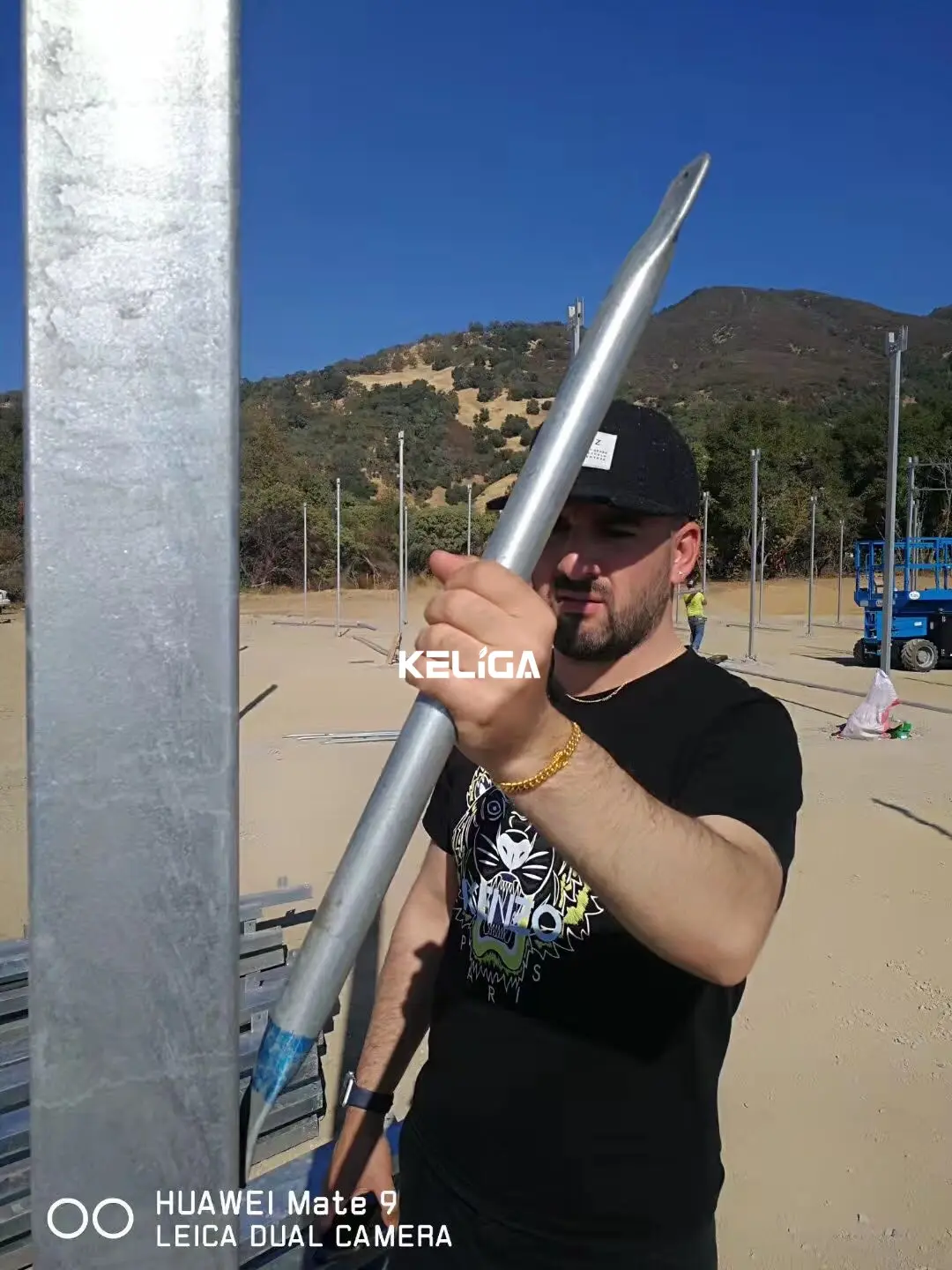
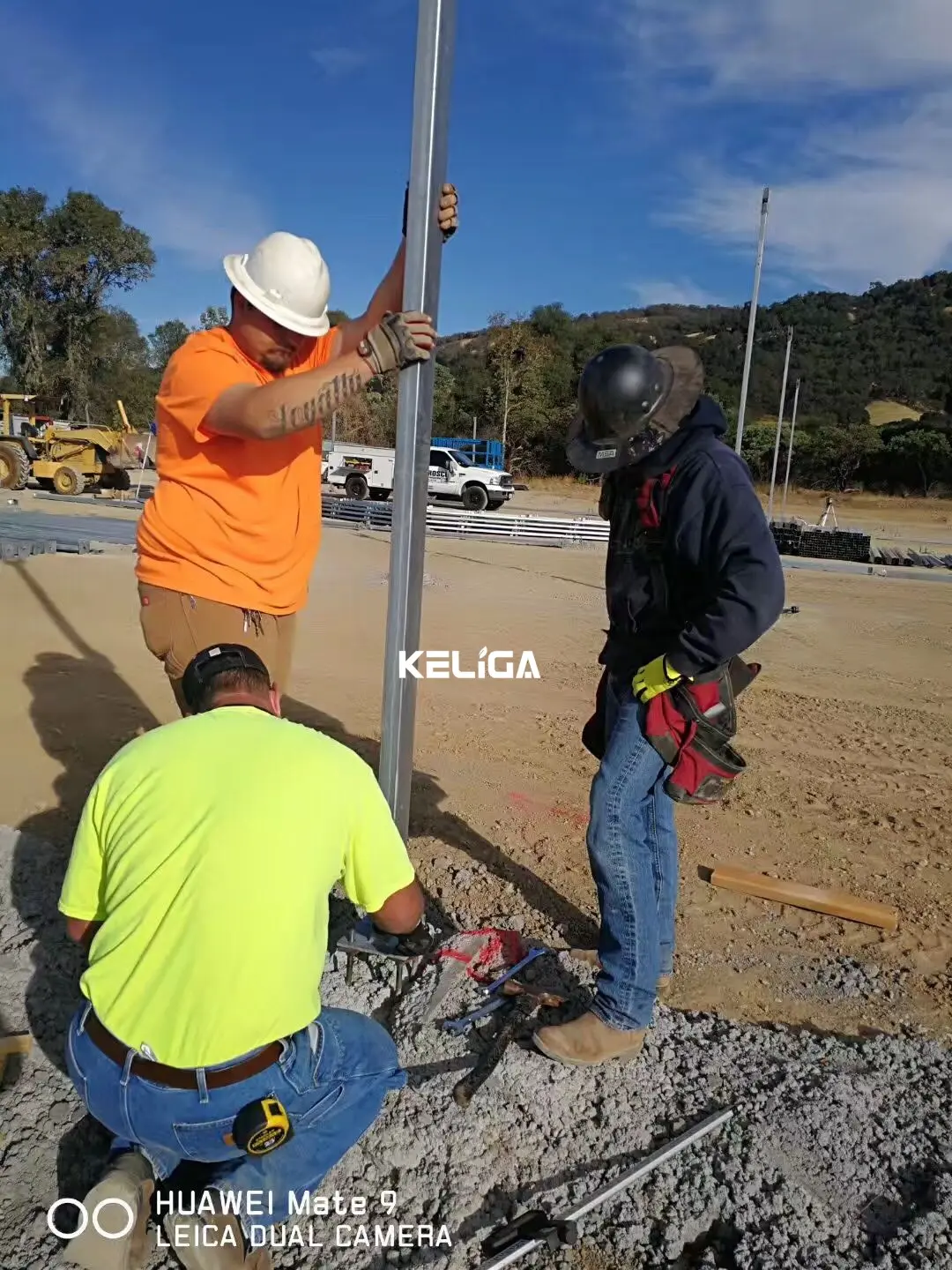
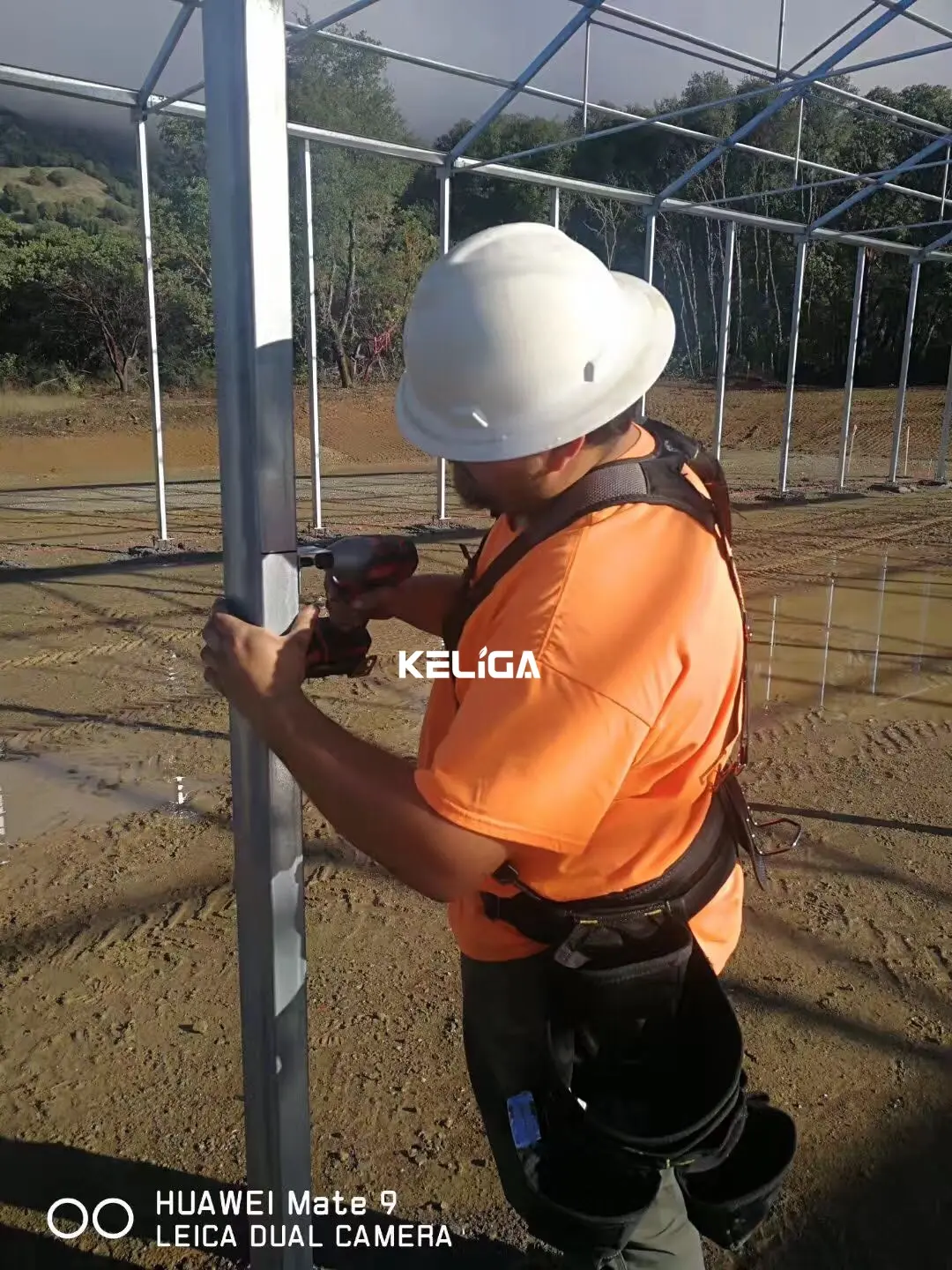
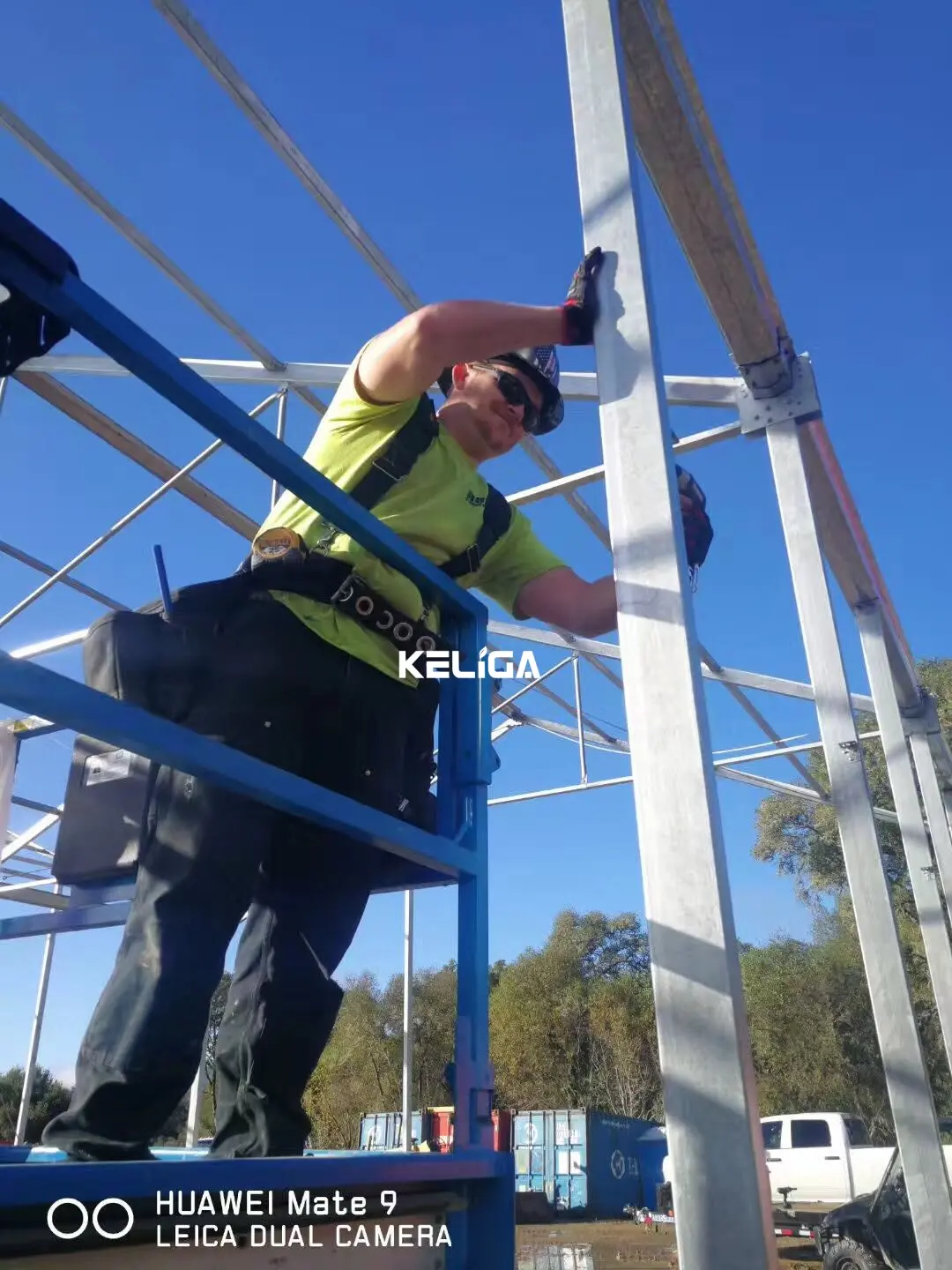
Installation Pictures
We focus on several core R&D areas, dedicated to solving key direction challenges in the energy storage sector.


Our Process
Steps to Your Greenhouse
1. Consult
We begin with a personalized consultation to capture your vision and needs.
2. Design
Our experts craft a detailed plan with eco-friendly practices for your approval.
3. Execute
Our skilled team transforms your space with precision and care.


The Goal
Our Mission
To transform outdoor spaces into beautiful, functional, and sustainable environments that enhance our clients’ lifestyles while respecting the natural world. We are committed to delivering exceptional service and innovative solutions through our passion for gardening and landscaping.
The Outlook
Our Vission
To be the leading provider of eco-friendly gardening and landscaping services, inspiring communities to embrace sustainable practices and appreciate the beauty of nature in their everyday lives. We envision a future where every outdoor space reflects harmony between human creativity and the natural environment.