PC light deprivation greenhouse
PC Light Deprivation Greenhouse is a light-shielding greenhouse using polycarbonate material. Polycarbonate material is a durable, transparent plastic material with light-blocking properties.
What Is a Light Deprivation Greenhouse?
Light deprivation—also called “light depo” or “light dep”—is an agricultural growing technique that controls how often and how much light plants receive. Light deprivation greenhouses accomplish this by using blackout material to enclose the plants, simulating different seasonal changes. The resulting darkness tricks plants into responding by flowering on command; this allows growers to reduce the time necessary for plants to reach maturity, and enjoy multiple harvests per year vs. outdoor grows that are entirely limited to a single growing season.
The technology is based on the biological principle of photoperiodism—the physiological reaction of plants to day and night lengths. For short-day plants (also called “long-night” plants), when the period of darkness exceeds a critical duration, the plant initiates flowering. PC light deprivation greenhouses exploit this mechanism by creating precise periods of complete darkness regardless of natural daylight cycles.
Core Components of a PC Light Deprivation Greenhouse
1. Polycarbonate Glazing System
The glazing system represents the defining material feature of a PC light deprivation greenhouse. Polycarbonate is manufactured in three primary formats for greenhouse applications:
Solid Polycarbonate
A single-sheet product that closely resembles glass or acrylic in appearance. Solid PC offers high clarity and strong impact resistance, making it suitable where transparency and rigidity matter.
Twin-Wall Polycarbonate
Consists of two outer skins joined by internal ribs. The trapped air pockets provide notably better insulation than single sheets. Typical twin-wall panels used for greenhouses range from 4mm to 8mm in thickness. Twin-wall panels typically provide 80–82% light transmission, while the cellular structure creates light diffusion that benefits many crops by reducing hot spots and providing more uniform light distribution.
Multi-Wall Polycarbonate
Includes three or more layers with multiple air cavities. Thicker multi-wall panels, ranging from approximately 10mm to 16mm, deliver increased thermal resistance and are common in colder zones or commercial structures focused on energy efficiency. Triple-wall versions reach R-values of 2.5 or higher.
For light deprivation applications, specialized opaque polycarbonate panels are also available. Sunlite® Eclipse, for example, features a highly reflective white outer skin and black core, ensuring 0% light transmission. The reflective surface maximizes available natural light from the greenhouse cover and from the artificial lighting system, while the multiwall design helps conserve energy and maintain consistent temperatures.
2. Blackout/Shading System
The blackout system is the functional core of a light deprivation greenhouse. It consists of:
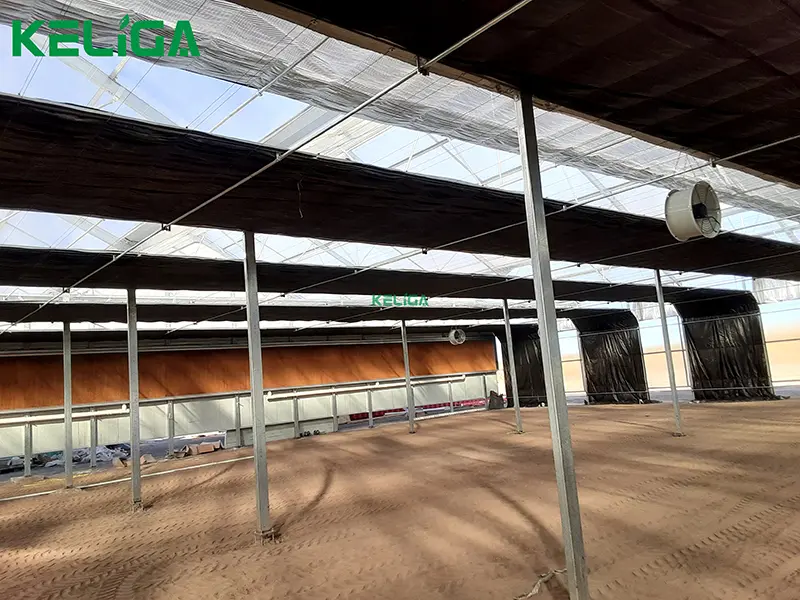
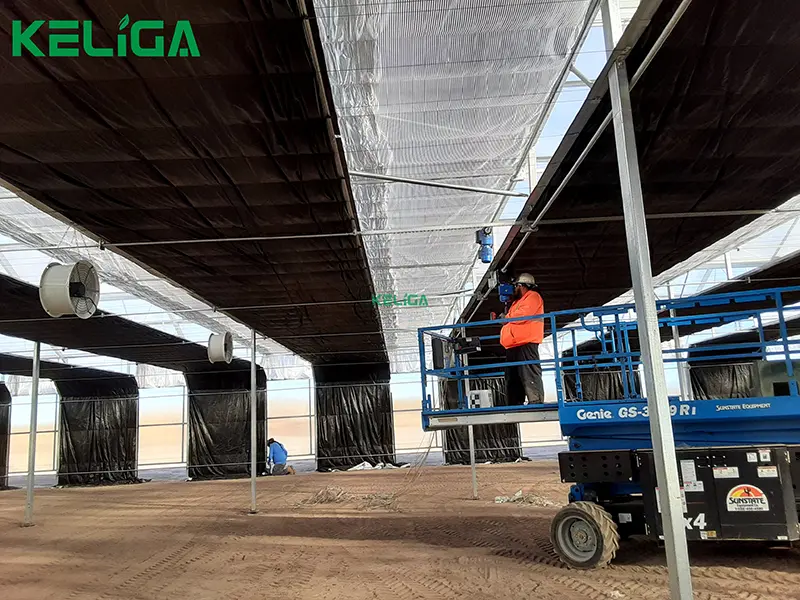
Blackout curtains: Heavy-duty, light-blocking materials designed to completely block out light, often using 2–3 layers of anti-flaming screen for redundancy and safety
Motorized track system: The motorized curtain tracks are installed along the length of the greenhouse, above the plants. The blackout curtains are attached to these tracks, which move the curtains back and forth to open and close them
Control system: When the control system detects that it’s time to close the curtains, the motorized tracks move the curtains along the greenhouse, blocking out all light. This can be done manually or automatically depending on the type of control system installed
3. Climate Control Systems
A complete PC light deprivation greenhouse includes supporting systems to maintain optimal growing conditions during blackout periods:
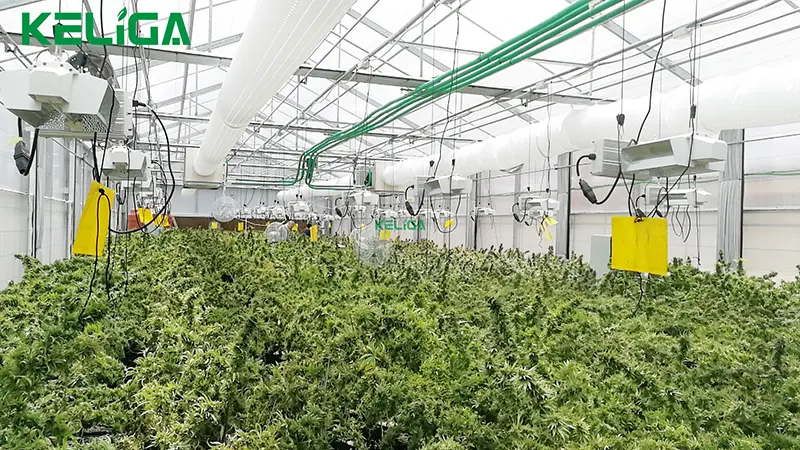
Cooling system: Cooling pads and exhaust fans with light traps help control temperature, especially important when the blackout system is deployed
Ventilation system: Roof-motorized ventilation and side-wall motorized ventilation ensure adequate air exchange
Circulation fans: Maintain airflow throughout the canopy layer to prevent microclimate stratification
Heating system: Hot air blowers or hot water circulation systems for winter cultivation in temperate climates
Supplemental lighting: LED grow lamps for extending day length when natural light is insufficient
Irrigation system: Drip irrigation, spray irrigation, or hydroponic systems tailored to crop requirements
Nursery system: Ebb-and-flow seed benches for propagation management
Structural Design Specifications
Single-Span Architecture
Single-span PC light deprivation greenhouses are the most widely adopted design globally. Their simple structural layout, with one continuous roof supported by frames on both sides, maximizes growing area while minimizing material usage and construction complexity.
Typical Dimensions
| Parameter | Value Range |
|---|---|
| Span width | 8m, 9m, 9.6m, 12.8m |
| Section length | 2m to 5m |
| Gutter height | 3m to 6m |
| Ridge height | 5.5m to 8.7m |
| Frame coating | Hot-dip galvanized steel (275g/m² zinc) |
Advantages of PC Light Deprivation Greenhouses
1. Superior Thermal Management
Polycarbonate’s multi-wall construction traps air between layers—R-values reach 1.5 to 2.0 depending on thickness. This insulation dramatically reduces heat loss during cold nights and heat gain during hot days, making PC light deprivation greenhouses significantly more energy-efficient than their single-film counterparts.
When combined with automated blackout curtains, the insulation effect is amplified; the blackout system adds an additional barrier that prevents radiant heat loss during night cycles while blocking solar heat gain during daytime blackout periods.
2. Excellent Impact Resistance
Polycarbonate is up to 250 times more impact-resistant than glass and can withstand storms, falling branches, or accidental hits without breaking. PC panels are virtually unbreakable; the material is 300 times stronger than glass and 30 times stronger than acrylic, yet weighs only 1/16th as much as glass. This exceptional durability makes PC light deprivation greenhouses highly resistant to hail damage, wind-blown debris, and operational impacts during blackout system maintenance.
3. UV Protection and Longevity
Reputable PC panels feature a co-extruded UV-stabilized layer on the outer face to prevent yellowing and polymer breakdown. Manufacturers offer 15-year limited warranties against loss of light transmission and yellowing, with anti-drip (anti-condensate) technology that keeps the greenhouse free of condensation and maximizes light transmission.
UV protection also shields crops and workers from harmful ultraviolet radiation (100% UV protection is standard for quality PC panels), while the UV-stabilized construction prevents the material from turning yellow or becoming brittle over time.
4. Controlled Light Environment
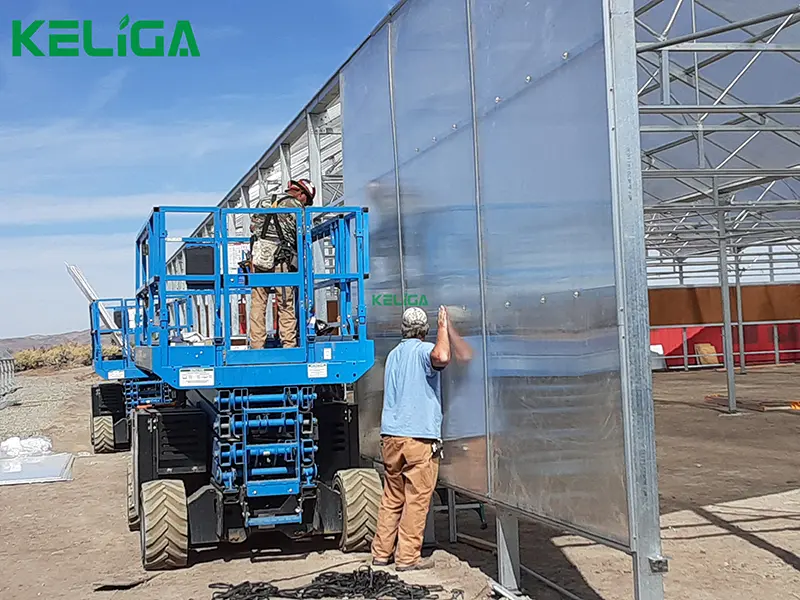
For greenhouses combining transparent roof panels with opaque side/end walls—a common configuration for light deprivation—the system provides a tailored light environment. Twin-wall polycarbonate roof panels shield from intense sunlight while transmitting diffused light, and engineered opaque panels for walls ensure 0% light transmission through side boundaries, concentrating all photoperiod control responsibility on the top-mounted blackout curtain.
The uniform light distribution from diffused polycarbonate reduces shadowing and prevents leaf burn—critical for high-value flower and medicinal plant production.
5. Weight Reduction and Installation Ease
Polycarbonate weighs far less than equivalent glass coverage. Glass weighs approximately 2.5 kg per square meter for 4mm thickness, while polycarbonate weighs only 0.8 kg per square meter for equivalent coverage, reducing structural loads and foundation requirements. This lighter weight translates to:
Lower shipping costs
Reduced structural steel requirements
Faster installation (standard tools suffice; no heavy lifting equipment required)
Simpler foundation specifications
6. Precision Photoperiod Control
When PC glazing is combined with automated blackout systems, growers achieve unmatched precision in photoperiod management. The lightweight PC structure allows for larger, uninterrupted roof spans, enabling blackout curtains to seal more effectively across the entire growing area. This precise control is essential for:
Cannabis cultivation requiring strict 12-hour dark cycles
Flower production for specific market calendars (e.g., chrysanthemums, poinsettias)
Year-round production of medicinal plants
7. Multiple Harvests Per Year
Light deprivation techniques can enable three to four harvests per year for determinate strains without any additional supplemental lighting. In comparison, outdoor grows are entirely limited to a single growing season.
8. Reduced Operating Costs
The combination of natural light utilization and superior insulation reduces energy consumption by 40–60% compared to indoor farming operations. While indoor farming requires 30–40 kWh per square meter monthly for lighting alone, light deprivation systems reduce this to 10–15 kWh by maximizing natural light utilization.
9. Pest and Disease Management
The enclosed environment protects crops from outdoor pests and diseases while the controlled photoperiod reduces plant stress, contributing to healthier growth. The PC cladding provides a physical barrier against insects and airborne pathogens. Because the greenhouse environment can be managed to maintain ideal microclimates, pest establishment and disease development are actively discouraged without heavy reliance on chemical controls.
Disadvantages and Limitations
1. Higher Initial Investment
The upfront cost of a PC light deprivation greenhouse is significantly higher than that of polyethylene film tunnels or standard single-span greenhouses. While a basic single-span plastic tunnel can be erected for $6–15 per square meter, a PC light deprivation greenhouse with basic automation costs approximately $10.60–35.00 per square meter, with fully automated systems at the higher end of this range.
The incremental cost covers: polycarbonate sheets ($3–8 per square meter premium over film), blackout system components, automated controls, and enhanced climate control systems.
2. Scratches Require Careful Maintenance
Polycarbonate surfaces are relatively soft and can be scratched when cleaned with abrasive materials. Over time, accumulated scratches can reduce light transmission and aesthetic clarity. Proper cleaning protocols (soft cloths, mild detergents) and protective films during installation can mitigate this issue, but it remains an ongoing maintenance consideration.
3. Condensation Management Challenges
Multi-wall panels can trap moisture internally if not properly sealed during installation. This can lead to fogging, reduced light transmission, and potential algae growth between layers if sealing fails. Quality PC panels incorporate anti-drip (anti-condensate) technology that inhibits condensation droplet formation by reducing surface tension, causing condensation to run off into gutters rather than forming droplets on the panel surface. However, proper installation with appropriate cap profiles and end seals remains essential.
4. Heat and Humidity Buildup During Blackout Periods
When the blackout system is deployed, the greenhouse becomes a sealed environment with reduced ventilation, causing temperature and moisture to spike rapidly. Effective management requires robust cooling and ventilation systems that add to both capital and operating costs. Without proper climate control, plants can suffer heat stress, mold development, and reduced quality.
5. Light Leakage Vulnerability
Achieving complete darkness is challenging, particularly around sidewalls, door seals, and roof vents. Even small light leaks can disrupt photoperiodic responses and reduce crop quality. Edge leakage is far more challenging to eliminate; sidewalls are especially problematic due to the slope of the structure, making them the most common weak point in otherwise effective systems.
6. Mechanical Failure Risk
Automated blackout systems rely on moving parts (gearboxes, motors, drive shafts, push rods, sensors, controllers), all of which are subject to wear, corrosion, and mechanical failure. Failure of the blackout deployment system can disrupt precisely timed photoperiod schedules, potentially causing significant crop loss. Regular maintenance and inspection are essential, adding to operational costs.
7. Reduced Light Transmission Relative to Glass
Although twin-wall PC provides excellent light diffusion, its maximum light transmission (80–88%) falls short of glass (up to 90–95%). For growers cultivating extremely light-demanding crops—such as high-light varieties of tomatoes, cucumbers, and certain flowers—this reduction may be unacceptable.
8. Panel Yellowing Over Time (If Low Quality)
Without proper UV-protective coatings, polycarbonate is vulnerable to photodegradation, leading to yellowing, embrittlement, and reduced light transmission over time. For this reason, selecting panels with certified UV co-extrusion and manufacturer warranties (10–15 years) is essential.
| Structure Type | PC Light Deprivation Greenhouse |
| Greenhouse Length, Width, Height | Customizable, assigned as needed |
| Structural Materials | Aluminum alloy, polycarbonate plate, etc. |
| Internal Facilities |
• Heating and cooling equipment • Irrigation systems • Shading systems |
| Greenhouse Features | Provides light-shielding and heat preservation functions, good weather resistance, high transparency, and long life |
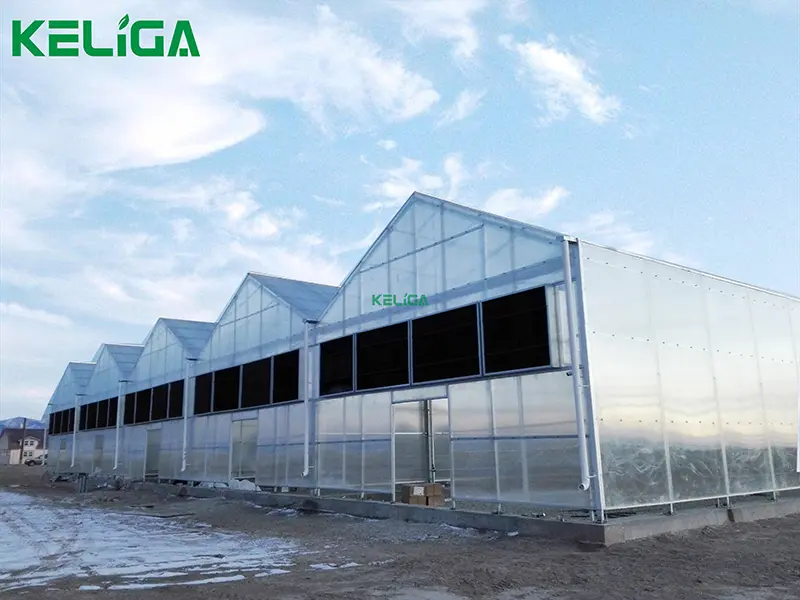
Automated Blackout System
Multi-layer blackout materials, including five-layer films (anti-fog, anti-drip, anti-aging, anti-UV, anti-hail) or specialized polycarbonate panels, block 99.9% of light
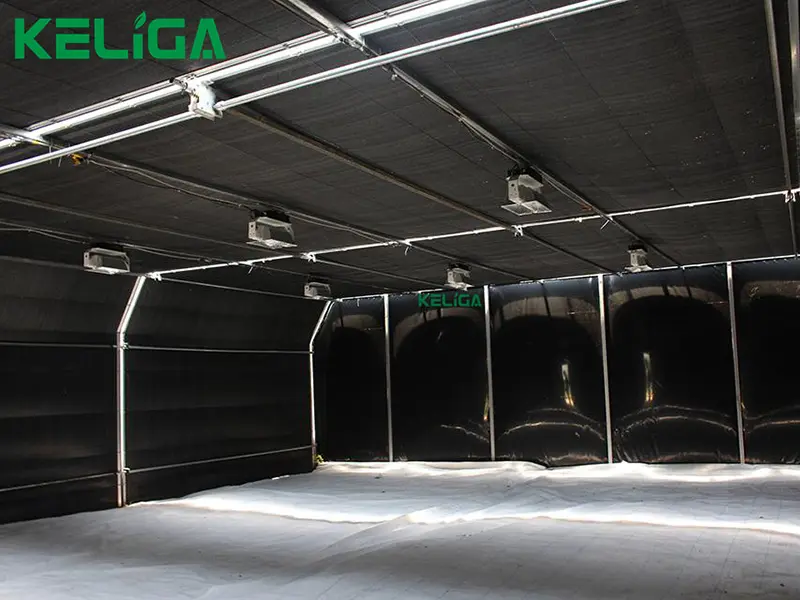
California light deprivation greenhouse
Large/industrial: 50,000 ft² to multiple acres (tens to hundreds of thousands of ft²) for high‑throughput operations or multi‑house complexes. Growing sytem: light deprivation syste, cooling system, ventialiton system, light trap system etc.
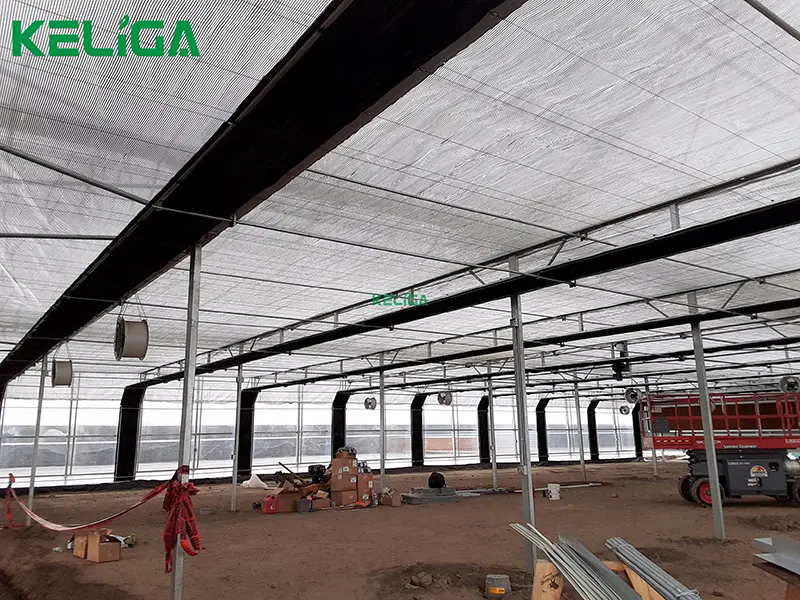
Macedonia 50,000 square meters light deprivation
This project proposes the development of a 50,000 square meter light deprivation greenhouse facility in North Macedonia. The aim of the project is to establish a modern, high-efficiency controlled-environment agriculture system that enables year-round crop production while maximizing yield, quality, and market competitiveness.
Core Components of a PC Light Deprivation Greenhouse
North American and European producers focus on higher-specification systems optimized for premium automation integration, precision climate control, and code compliance. These units command higher pricing but deliver advanced features (integrated sensing, motorized ventilation, IoT connectivity, data analytics) that justify the additional cost in high-value horticulture applications.
Climate Resilience
Protect crops from extreme weather events like storms, hail, frost, or unexpected heat waves, ensuring a consistent supply
High-Performance Light Blockage
Multi-layer blackout materials, including five-layer films (anti-fog, anti-drip, anti-aging, anti-UV, anti-hail) or specialized polycarbonate panels, block 99.9% of light
Integrated Climate Control
Full environmental control includes automated ventilation to manage heat and humidity during dark periods. Excellent heat-insulation properties help maintain optimal internal temperatures
High-Value Medicinal Plants:
The industry standard for cultivating medical cannabis and other regulated plants requiring strict photoperiod control
Precision Lighting & Automation
Customizable full-spectrum LED lighting systems (400-700nm wavelength) support all growth stages. Advanced controllers can also integrate with CO2 supplementation for optimized growth
Year-Round Production & Multiple Harvests
Accelerate crop cycles and bypass seasonal limitations. This allows for harvesting premium crops multiple times per year instead of just once, significantly boosting annual yield and revenue
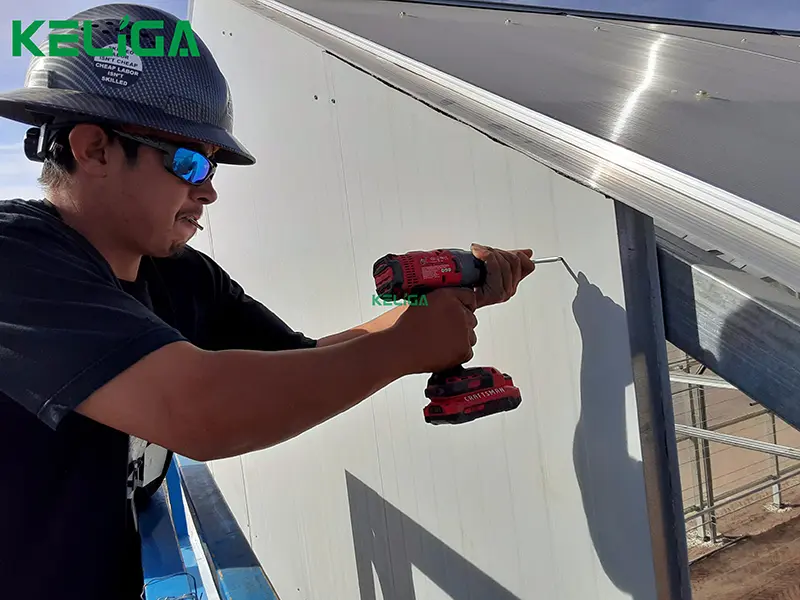
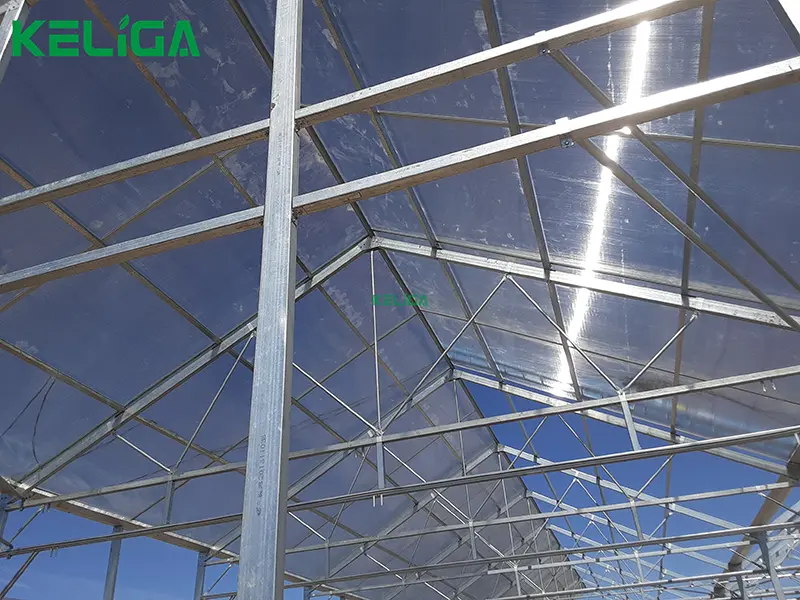
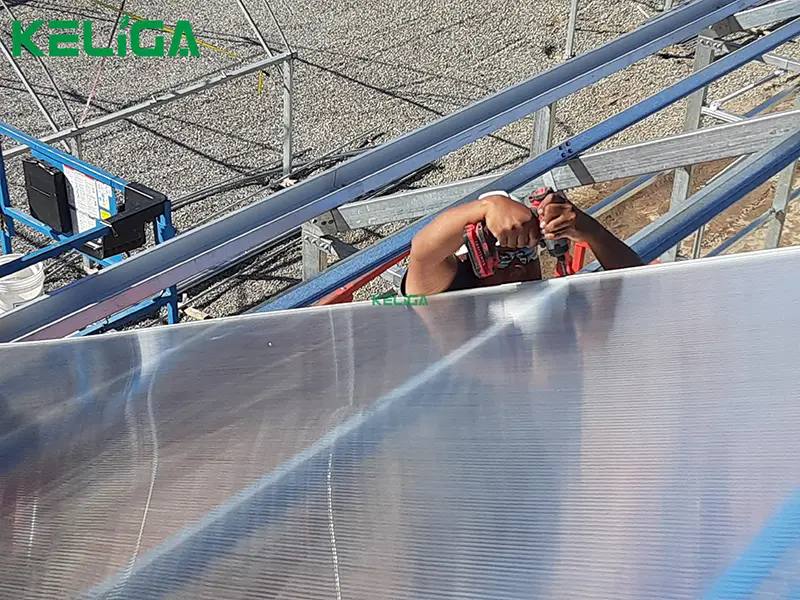
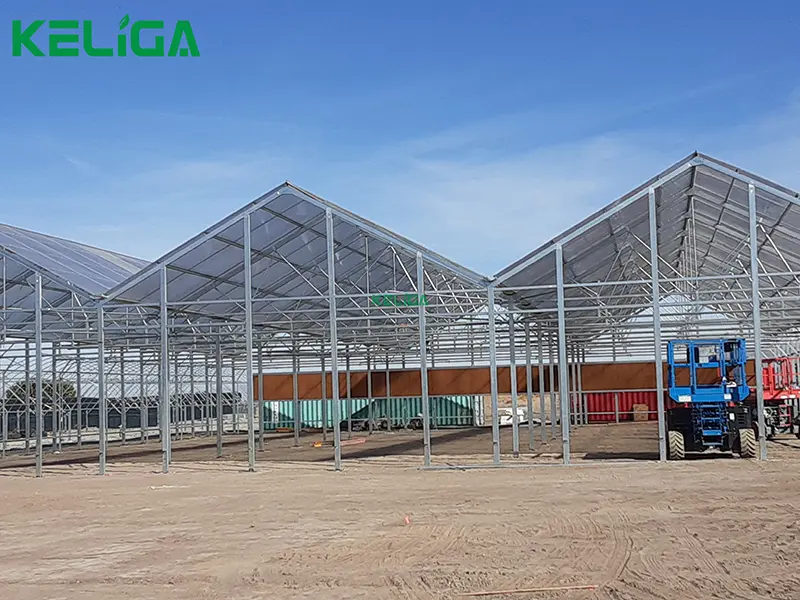
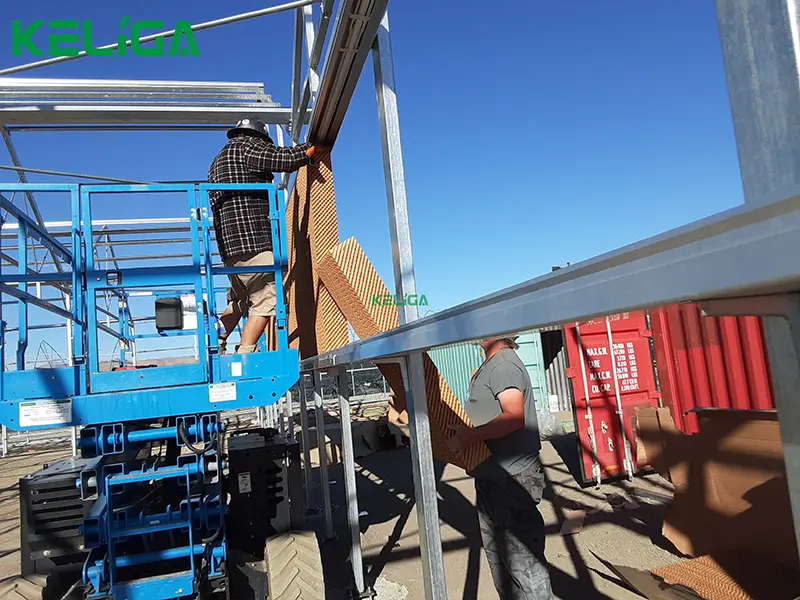
PC Light Deprivation Greenhouses Project Case
By 2026, our exports will cover a total of 9 states in the United States, Europe: Italy, North Macedonia, Greece, Bulgaria, etc. Africa: South Africa. Asia: Thailand. Australia and Argentina are our main export countries and regions.Welcome to become our next market to explore!!


Our Process
Steps to Your Greenhouse
1. Consult
We begin with a personalized consultation to capture your vision and needs.
2. Design
Our experts craft a detailed plan with eco-friendly practices for your approval.
3. Execute
Our skilled team transforms your space with precision and care.

The Goal
Our Mission
To transform outdoor spaces into beautiful, functional, and sustainable environments that enhance our clients’ lifestyles while respecting the natural world. We are committed to delivering exceptional service and innovative solutions through our passion for gardening and landscaping.
The Outlook
Our Vission
To be the leading provider of eco-friendly gardening and landscaping services, inspiring communities to embrace sustainable practices and appreciate the beauty of nature in their everyday lives. We envision a future where every outdoor space reflects harmony between human creativity and the natural environment.