
Our Projects
From small urban gardens to sprawling estates, each project reflects our commitment to quality and innovation.
Our Projects
Our Greenhouse Projects
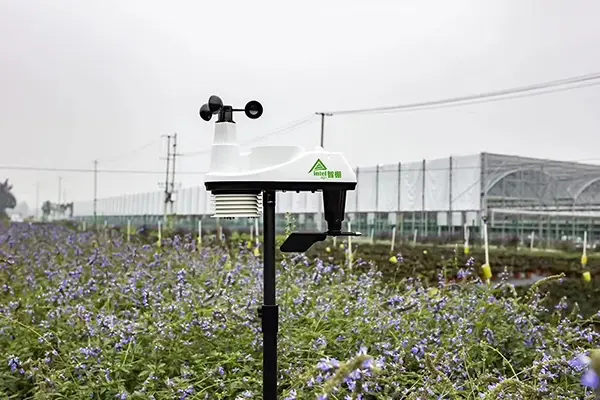
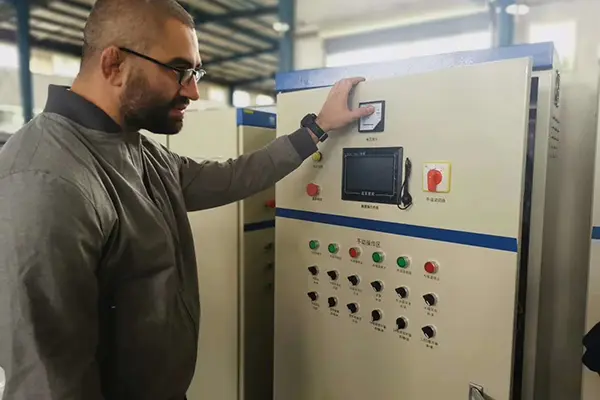
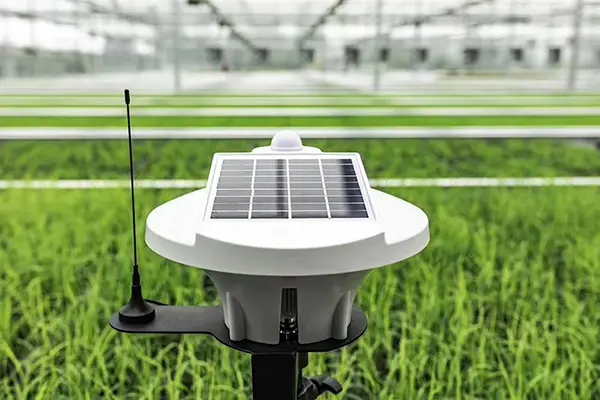
The greenhouse automatic control system is currently a commonly used agricultural Internet of Things technology. It can remotely control the equipment inside the greenhouse through a computer, achieving automated management of fertilization, indoor temperature, lighting, and ventilation operations. Users can real-time grasp the greenhouse environment through the detected data, achieve scientific and precise control, and timely and effectively improve the growth environment of crops, providing a good growth environment for crops.
The greenhouse automatic control system can not only manage a single greenhouse, but also manage multiple greenhouses simultaneously, completing tasks that could have been completed by multiple individuals in the past. This system can generate significant economic and social benefits for increasing agricultural production. Because this system can liberate people from heavy agricultural labor, effectively reduce agricultural production costs, promote yield increase, reduce labor consumption, and lead agriculture towards high-quality and high-yield direction.


- Working principle of natural gas boilers
A natural gas boiler is a working process that burns natural gas and other gas fuels, ignites them by a gas burner, and heats the water in the boiler body by burning natural gas, heating the water and producing steam, boiling water, or hot water. For natural gas boilers, the most important components are the burner and boiler body. High performance burners can fully integrate fuel and air, allowing fuel to be fully burned. The design of the boiler furnace directly affects the heating area of the boiler. Increasing the heating area of the boiler will transfer more heat energy, improve the thermal efficiency of the boiler, reduce fuel consumption, and shorten working time, Reduce operating costs.
- Efficiency of natural gas boilers
The efficiency of natural gas boilers, also known as the thermal efficiency of natural gas boilers, refers to the percentage of the effective utilization of heat by the boiler compared to the input heat per unit time. The thermal efficiency of coal-fired boilers is between 70-85%, while the thermal efficiency of oil, gas, and electric boilers is between 90-99%. Improving the thermal efficiency of a boiler is to increase the effective utilization of heat, reduce various heat losses of the boiler, with a focus on reducing the heat losses from boiler exhaust and mechanical incomplete combustion.
3.Gas consumption of natural gas boilers
The hourly gas consumption of a natural boiler=effective heat absorption of the boiler ÷ (calorific value of natural gas x thermal efficiency of the boiler)


The use of hot water finned tubes as a heating method for greenhouses has the following advantages:
- Uniform heating: Hot water finned tubes can evenly dissipate heat, making the temperature distribution inside the greenhouse more uniform and avoiding local overheating or undercooling.
- Efficient and energy-saving: By increasing the heat exchange area and hot water circulation, hot water finned tubes can provide efficient heating effects, reduce energy consumption, and achieve energy-saving effects.
- Easy to control: The hot water finned tube can be combined with the automatic control system of the greenhouse to achieve precise temperature control and regulation, providing a suitable growth environment.


Wet curtain fan, also known as evaporative cooling fan, is an evaporative cooling and ventilation unit that integrates cooling, ventilation, dust prevention, and odor removal. The Arctic ice wet curtain fan not only brings fresh air and reduces temperature to corporate workshops, public places, and commercial entertainment venues, but also has an important feature – energy conservation and environmental protection! It is a brand new environmentally friendly product without compressors, refrigerants, and copper pipes. Its main components are evaporative wet curtains (multi-layer corrugated fiber composite) and a 1.1KW main motor, which consumes 1/8 of the power of traditional central air conditioning. It can provide more practical energy savings for various industries. Wet curtain fans, also known as air coolers, are commonly used in cold storage as a complete set of equipment consisting of axial flow fans and cooling pipes. The wet curtain fan relies on the fan to force the air in the cold storage room to flow through the cooling pipes inside the box for heat exchange, cooling the air and achieving the goal of reducing the temperature of the storage.
According to the method used for cooling air, it can be divided into three types: dry air cooler, wet type, and dry wet mixed type.
Among them, the refrigerant or refrigerant carrier flows inside the exhaust pipe and cools the air outside the pipe through the pipe wall, which is called a dry air cooler;
A wet air cooler is a device that directly exchanges heat between the sprayed refrigerant liquid and the air;
In addition to the cooling exhaust pipe, the hybrid air cooler also has a spray device for carrying refrigerant.
The commonly used dry air coolers in cold storage can be divided into two types based on their installation position: ceiling type and floor type. They are all composed of air cooling exhaust pipes, ventilation fans, and defrosting devices, and the cooling exhaust pipes inside the cold air fan are all sleeve type. Large dry water curtain fans are often floor standing.
1. Floor standing wet curtain fan: The floor standing cold air fan mainly consists of three parts: upper, middle, and lower.
There are three types of floor standing air conditioners used in cold storage: Type 081- used in frozen goods refrigeration rooms; Type 082- used for cooling material refrigeration rooms; Type 083- used for freezing rooms. 2. Suspended ceiling air conditioner: The suspended ceiling air conditioner is installed below the flat roof of the warehouse and does not occupy the warehouse area. According to the air supply form of the ceiling type wet curtain fan, it can be divided into single-sided air supply and double-sided air supply; According to its fin form, there are wound and sleeve types.
Environmental requirements:
- The design and installation personnel of the water curtain fan should not be careless. If the indoor window is high above the ground, the optimal distance for the wet curtain should be achieved through negative pressure longitudinal ventilation. The fan and wet curtain should be installed at both ends.When there is a workspace at one end of the room, the wet curtain cannot be installed on the wall at one end. Therefore, the wet curtain can be installed on the adjacent side wall of the room, and the fan can be installed diagonally on the opposite wall.
- When the distance between the middle wall of the workshop is too long and the distance of the fan suction cannot achieve the expected effect, horizontal ventilation can be used to reduce resistance loss, that is, the installation of the fan and wet curtain in groups.
- The layout of the wet curtain is generally selected at the upper air outlet, and the fan is arranged at the lower air outlet. The air inlet of the wet curtain must have sufficient air intake space.
- Generally, it is advisable to equip a fan with 6-8 square meters of water curtains, and they should be evenly distributed.
6. The negative pressure fan and wet curtain are installed in an embedded manner, which means reserving or chiseling out positions for the fan and wet curtain on the walls of the building.


High pressure spray system can not only quickly reduce the temperature in the greenhouse, but also quickly fertilize, spray pesticides, purify the air, etc. This system has the characteristics of being labor-saving, cost-effective, safe, and effective.
Mechanism of action: Adopting an electric control system (control cabinet). High pressure atomization equipment refers to a system that uses a high-pressure atomization host to transport water that has undergone precision filtration treatment to a dedicated high-pressure pipe network for fog making (with a pressure resistance of 14 MPa), and finally sprays it into mist by a dedicated fog making nozzle. The working principle of a high-pressure atomization system is that high-pressure water is sprayed out of micropores and collides with solids to form water mist. The pressurized water (greater than 4 Mpa) is atomized by a professional nozzle through a high-pressure conveying pipeline, producing micro mist particles of 0.10-15.00 μ m, which can quickly absorb heat from the air, complete vaporization and diffusion, and achieve the purpose of air humidification and cooling.


Advantages and disadvantages of wall mounted boilers with fans
(1) Space saving wall mounted stoves can be hung on walls without occupying indoor space, making the room more spacious.
(2) The combustion efficiency of environmentally friendly and energy-saving wall mounted boilers is high, which can effectively utilize fuel, reduce energy waste, and also reduce environmental pollution.
(3) Quick heating wall mounted stove with fan can quickly increase indoor temperature, suitable for use in cold winter, allowing people to quickly feel warmth
(1) The operation of wall mounted boilers with fans can generate noise, which may have some impact on people who are sensitive to noise.
(2) Wall mounted boilers require regular cleaning and maintenance, otherwise it will affect their service life.
(3) The price of wall mounted boilers is relatively high and requires a certain investment cost.
Advantages and disadvantages of radiators
(1) Quiet and comfortable radiators do not require fans and operate very quietly without causing any impact on the body, making people feel comfortable.
(2) Durable radiators have a relatively long lifespan and can be used for many years.
(3) The price of radiators is relatively low, making them suitable for general households to choose from.
(1) Space occupying radiators need to be installed on walls or floors, which will occupy a certain amount of space.
(2) Heating time is longer, and radiators need a certain amount of time to raise the indoor temperature. It is not as fast as wall mounted boilers with fans,
(3) The uneven distribution of heat in radiators can easily lead to energy waste.
processing method
Choose the heating equipment that suits you best
Both wall mounted boilers with fans and radiators have their advantages and disadvantages. Choosing the right heating equipment for oneself is important.


In a greenhouse, drip irrigation of crops is used to alleviate indoor temperature. What are the benefits of greenhouse drip irrigation? What role does drip irrigation play in greenhouses?
What are the benefits of greenhouse drip irrigation
1.Reduce humidity and alleviate diseases. Drip irrigation only applies water around the roots of crops and does not form large amounts of surface runoff, effectively reducing indoor humidity. Most diseases in greenhouses are caused by high humidity, and as humidity decreases, the incidence of diseases naturally decreases.
2.Keep the ground temperature unchanged. Using drip irrigation to evenly transport water to the roots of crops will not affect significant changes in soil temperature.
3. Prevent the occurrence of soil borne diseases. Drip irrigation is a localized irrigation method that does not cause soil pathogens to spread with water, reducing the spread of diseases.
4.Improve fertilizer utilization efficiency. Drip irrigation can integrate water and fertilizer, directly delivering the fertilizer needed by crops to the roots evenly with water, without causing uneven or wasted fertilizer, thereby improving the utilization rate of fertilizer.
5.Enhance soil permeability. Traditional flood irrigation can cause soil compaction, root rot or damage, but drip irrigation does not exhibit this phenomenon.
6.Save labor and effort, increase production. Drip irrigation is easy to operate and does not affect other agricultural operations in the greenhouse; At the same time, providing suitable water environment for crops, promoting crop growth, and increasing yield.


The main function of indoor ventilation is to maintain the balance of the indoor environment and ensure that plants can grow healthily. Specifically, ventilation plays several important roles:
Balancing indoor climate: Ventilation can help balance the temperature and humidity inside the greenhouse, allowing plants to engage in photosynthesis in a suitable environment.
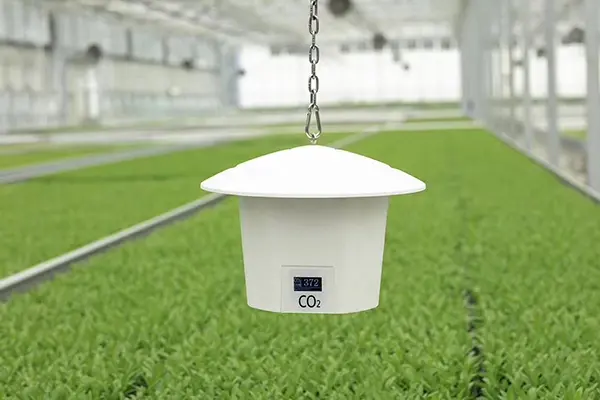
Providing necessary gases: Ventilation can promote the acquisition of carbon dioxide for photosynthesis in plants, which is crucial for their growth.
Temperature control: In summer, ventilation can help reduce the temperature of the greenhouse, especially in the absence of good ventilation facilities, which may cause the greenhouse to become a hot box and damage the health of plants.
Disease prevention: Ventilation can reduce humidity and reduce the risk of disease occurrence, especially during the rainy season or post watering management period.
Energy saving: Through ventilation systems, it is possible to maintain a suitable temperature inside the greenhouse without the need for additional heating, thereby saving energy.
Improving crop yield and quality: Through moderate ventilation, the impact of high or low temperatures can be controlled to avoid problems such as flower and fruit drop caused by improper temperature, thereby improving crop yield and quality.
In summary, greenhouse ventilation is a key element that affects plant photosynthesis, growth conditions, and the efficiency of the entire greenhouse system.


Common greenhouse cultivation substrates include soil, peat, humus, perlite, etc.
Greenhouse vegetable cultivation requires suitable substrates. Generally speaking, greenhouse cultivation substrates should have good ventilation and drainage properties, as well as good water and fertilizer retention abilities. Common greenhouse cultivation substrates include the following:
1、 Soil matrix
Soil matrix is one of the common substrates, which can be used for cultivating most vegetables. It should be noted that soil with soft texture, high fertility, good drainage performance, and appropriate pH value should be selected.
2、 Peat matrix
Peat matrix is mainly prepared from peat as the main raw material and is usually used to plant acidic plants, such as pine trees, azaleas, blueberries, etc. Peat matrix has good aeration and water and fertilizer retention capabilities, but it should be noted that its production has a certain impact on the environment.
3、 Humus matrix
Humus matrix is a mixture of mature organic matter, which has good water and fertilizer retention properties and can improve soil quality. It is suitable for various plants cultivated in greenhouses.
4、 Pearlite matrix
The perlite matrix is mainly prepared from perlite, which has good water retention and aeration properties, making it suitable for irrigation and cultivation. However, the disadvantage of perlite matrix is that it has a lower content of fertilizer, so it is necessary to add fertilizer in a timely manner.
The above four substrates are common substrates in greenhouse vegetable cultivation. It should be noted that the selection should be based on the preferences and suitable conditions of different vegetables.


1、 The principle of action of carbon dioxide
In a greenhouse, the principle of action of carbon dioxide is to promote plant photosynthesis. Photosynthesis is an important biochemical process in plants, through which plants can convert water and carbon dioxide into organic matter and oxygen. Injecting sufficient carbon dioxide can increase the rate of plant photosynthesis, thereby promoting plant growth and development, and improving yield and quality.
2、 Increase ambient temperature and humidity
Carbon dioxide can increase environmental temperature in greenhouses. When the sun shines on the greenhouse, the carbon dioxide inside the greenhouse absorbs more solar thermal radiation, thereby increasing the temperature inside the greenhouse and creating a more suitable environment for plant growth. In addition, carbon dioxide can increase the humidity in greenhouses, making plants less prone to dehydration and more robust in growth.
3、 Prevention of pests and diseases
Introducing carbon dioxide can also protect plants from pests and diseases. In greenhouses, the high density of carbon dioxide can prevent the invasion of pests and pathogens. At the same time, introducing carbon dioxide can strengthen the plant’s immune system, making it easier to resist the invasion of diseases and pests.
In summary, introducing carbon dioxide into greenhouse can not only promote plant growth and development, increase yield and quality, but also increase environmental temperature and humidity, and prevent the invasion of diseases and pests. Therefore, it is necessary and beneficial to introduce an appropriate amount of carbon dioxide when operating greenhouses.


The shading system plays a very important role in greenhouses, as it can regulate the light inside the greenhouse, protect crops from strong light and UV damage, and improve the temperature regulation effect of the greenhouse, promoting crop growth and development.
Firstly, the shading system can effectively regulate the light intensity inside the greenhouse. In the hot summer season, the sun radiation is strong. If the greenhouse does not have a shading system, it will lead to an increase in indoor temperature, excessive sunlight, and have adverse effects on crop growth. The use of shading systems can effectively block solar radiation, reduce indoor temperature, and avoid damage to crops caused by light. In winter, the use of shading systems can reduce indoor heat loss and improve the insulation effect of greenhouses
Secondly, shading systems can protect crops from strong light and UV damage. Excessive light and ultraviolet radiation can cause damage to the leaves, flowers, and fruits of crops, affecting their quality and yield. The use of shading systems can effectively block ultraviolet rays and reduce light intensity, protect crop leaves and flowers, extend the freshness period of fruits, and improve crop quality and yield.
In addition, the use of shading systems can also improve the temperature regulation effect of greenhouses. In winter, the use of shading systems can reduce indoor heat loss and improve the insulation effect of greenhouses; In summer, the use of shading systems can reduce the temperature and humidity inside the greenhouse, which is beneficial for crop growth and development.


1、 Overview of greenhouse internal insulation system
The greenhouse insulation system refers to a series of facilities that control the temperature inside the greenhouse within an appropriate growth range. When planting crops in a greenhouse, different seasons and climate changes have a significant impact on the internal environment of the greenhouse. The function of the insulation system is to regulate the internal environment of the greenhouse by strengthening the indoor insulation control system, so that crops can grow and mature quickly under suitable growth conditions.
2、 The role of greenhouse internal insulation system
- Maintain a constant temperature
The greenhouse insulation system can maintain a constant temperature by controlling indoor heating. In the cold winter and night, the heating system can increase the temperature to the appropriate growth temperature, thereby promoting plant growth and development.
- Maintain appropriate humidity
The greenhouse insulation system can also maintain the humidity inside the greenhouse within an appropriate range. The rise and fall of humidity may also have a significant impact on the health and growth of crops. Maintaining appropriate humidity can promote healthier and faster crop growth.
- Prevent wind and rain invasion
The insulation system inside the greenhouse can also strengthen the building structure, prevent the influence of external natural environment, prevent the influence of harmful factors such as rainwater and wind, and provide a stable growth environment. In areas with harsh climate conditions, insulation systems can also improve the safety and stability inside greenhouses.
3、 Advantages of greenhouse internal insulation system
- Improve the growth quality of crops
The greenhouse insulation system can provide a stable temperature and humidity environment, which can help crops grow and develop faster and more effectively, thereby improving the quality and yield of crops.
- Energy saving
The greenhouse insulation system can use natural light and warm airflow to maintain temperature when needed, and heating equipment can be used at night or in cold weather. When the temperature inside the greenhouse has reached the ideal level, maintaining a constant temperature can significantly reduce energy consumption.
- Extend the growing season
The greenhouse insulation system can control and maintain suitable indoor temperature and humidity, thereby extending the growing season of crops, increasing harvest and expanding operating hours.
4、 Summary
The greenhouse insulation system can accurately control temperature and humidity, avoid adverse effects from the external environment, provide a stable and safe growth environment, and make crop growth healthier and more efficient. There are many other benefits to using insulation systems in production, and it is hoped that such technology can make it easier for growers to manage and take care of crops, improve yield and quality.


Our System
Our Supporting Systems
Automatic Control
The greenhouse automatic control system is currently a commonly used agricultural Internet of Things technology. It can remotely control the equipment inside the greenhouse through a computer, achieving automated management of fertilization, indoor temperature, lighting, and ventilation operations. Users can real-time grasp the greenhouse environment through the detected data, achieve scientific and precise control, and timely and effectively improve the growth environment of crops, providing a good growth environment for crops.
- manage multiple greenhouses simultaneously, completing tasks that could have been completed by multiple individuals in the past.
- This system can generate significant economic and social benefits for increasing agricultural production.
- Because this system can liberate people from heavy agricultural labor, effectively reduce agricultural production costs
- Promote yield increase, reduce labor consumption, and lead agriculture towards high-quality and high-yield direction.
Fan& Pad
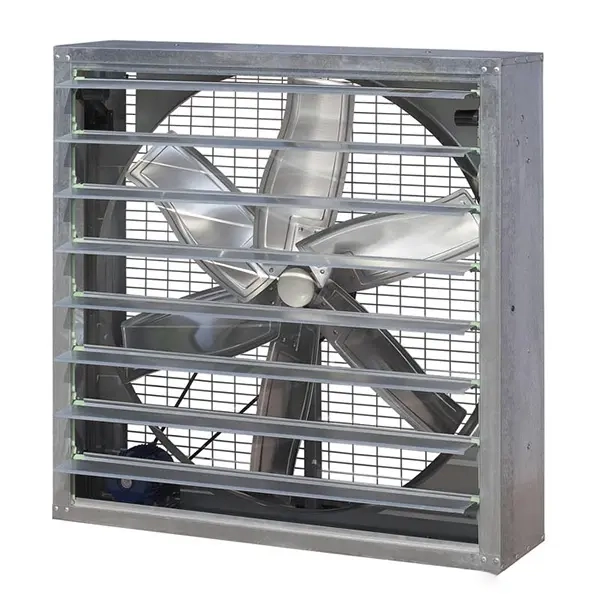
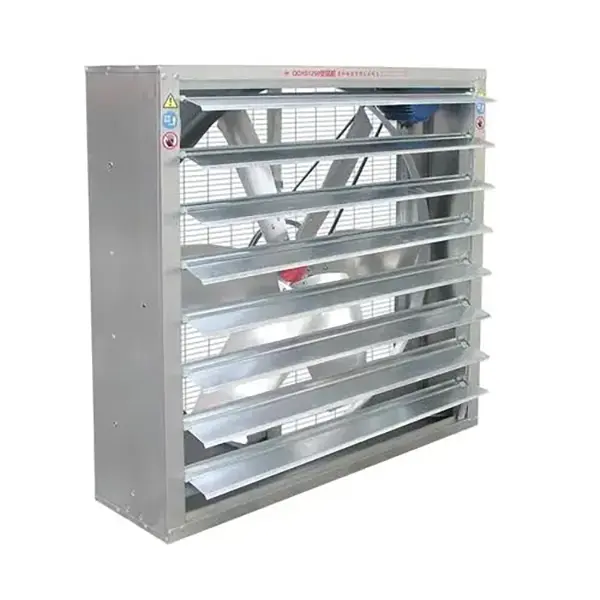
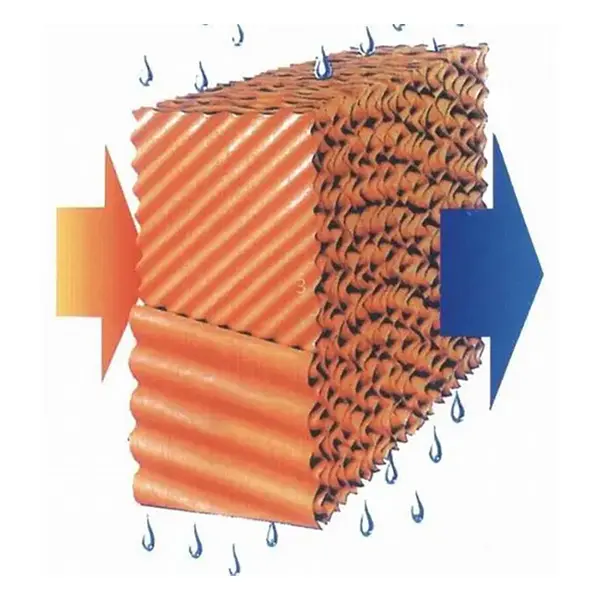
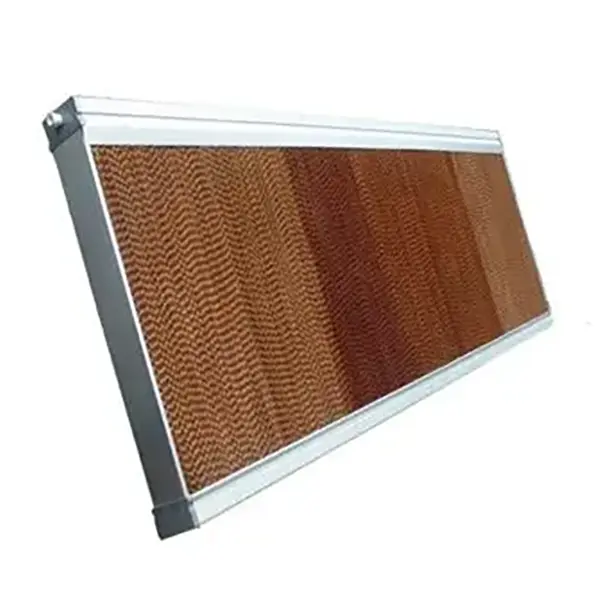
Wet curtain fan, also known as evaporative cooling fan, is an evaporative cooling and ventilation unit that integrates cooling, ventilation, dust prevention, and odor removal. The Arctic ice wet curtain fan not only brings fresh air and reduces temperature to corporate workshops, public places, and commercial entertainment venues, but also has an important feature – energy conservation and environmental protection!
It is a brand new environmentally friendly product without compressors, refrigerants, and copper pipes. Its main components are evaporative wet curtains (multi-layer corrugated fiber composite) and a 1.1KW main motor, which consumes 1/8 of the power of traditional central air conditioning. It can provide more practical energy savings for various industries. Wet curtain fans, also known as air coolers, are commonly used in cold storage as a complete set of equipment consisting of axial flow fans and cooling pipes. The wet curtain fan relies on the fan to force the air in the cold storage room to flow through the cooling pipes inside the box for heat exchange, cooling the air and achieving the goal of reducing the temperature of the storage.
- When the distance between the middle wall of the workshop is too long and the distance of the fan suction cannot achieve the expected effect, horizontal ventilation can be used to reduce resistance loss.
- The layout of the wet curtain is generally selected at the upper air outlet, and the fan is arranged at the lower air outlet. The air inlet of the wet curtain must have sufficient air intake space.
- The negative pressure fan and wet curtain are installed in an embedded manner, which means reserving or chiseling out positions for the fan and wet curtain on the walls of the building.
- Generally, it is advisable to equip a fan with 6-8 square meters of water curtains, and they should be evenly distributed.
Termal screen
The greenhouse insulation system refers to a series of facilities that control the temperature inside the greenhouse within an appropriate growth range. When planting crops in a greenhouse, different seasons and climate changes have a significant impact on the internal environment of the greenhouse. The function of the insulation system is to regulate the internal environment of the greenhouse by strengthening the indoor insulation control system, so that crops can grow and mature quickly under suitable growth conditions.
- Maintain a constant temperature:The greenhouse insulation system can maintain a constant temperature by controlling indoor heating. In the cold winter and night, the heating system can increase the temperature to the appropriate growth temperature, thereby promoting plant growth and development.
- Maintain appropriate humidity:The greenhouse insulation system can also maintain the humidity inside the greenhouse within an appropriate range. The rise and fall of humidity may also have a significant impact on the health and growth of crops. Maintaining appropriate humidity can promote healthier and faster crop growth.
- Prevent wind and rain invasion:The insulation system inside the greenhouse can also strengthen the building structure, prevent the influence of external natural environment, prevent the influence of harmful factors such as rainwater and wind, and provide a stable growth environment. In areas with harsh climate conditions, insulation systems can also improve the safety and stability inside greenhouses.
Advantages of greenhouse internal insulation system
1. Improve the growth quality of crops
The greenhouse insulation system can provide a stable temperature and humidity environment, which can help crops grow and develop faster and more effectively, thereby improving the quality and yield of crops.
2. Energy saving
The greenhouse insulation system can use natural light and warm airflow to maintain temperature when needed, and heating equipment can be used at night or in cold weather. When the temperature inside the greenhouse has reached the ideal level, maintaining a constant temperature can significantly reduce energy consumption.
3. Extend the growing season
The greenhouse insulation system can control and maintain suitable indoor temperature and humidity, thereby extending the growing season of crops, increasing harvest and expanding operating hours.
4. Summary
The greenhouse insulation system can accurately control temperature and humidity, avoid adverse effects from the external environment, provide a stable and safe growth environment, and make crop growth healthier and more efficient. There are many other benefits to using insulation systems in production, and it is hoped that such technology can make it easier for growers to manage and take care of crops, improve yield and quality.


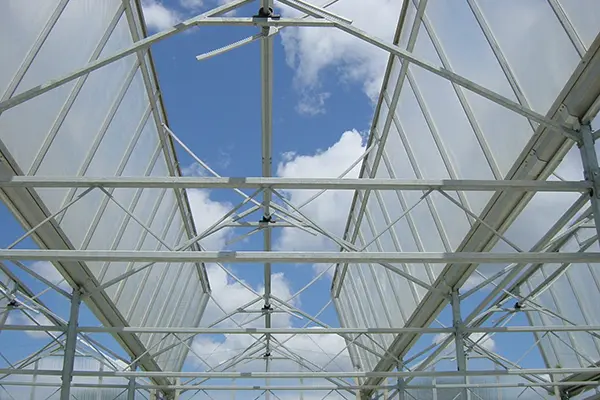
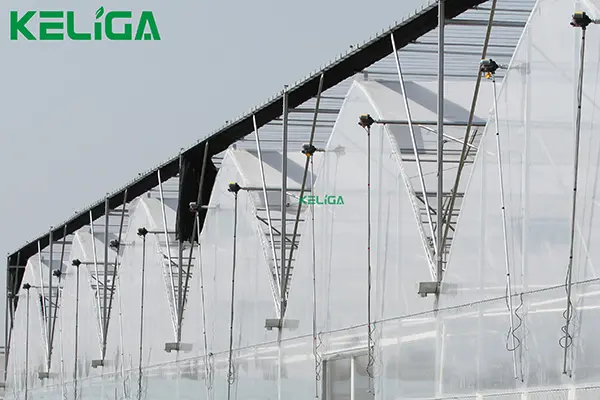
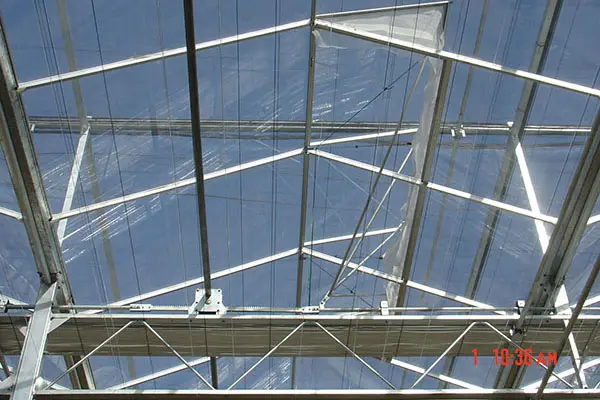
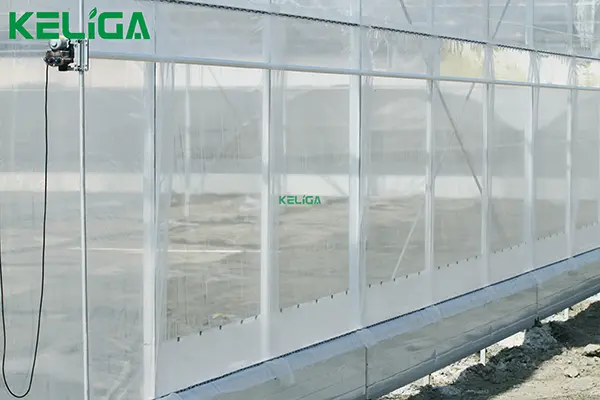
Ventilation
The main function of indoor ventilation is to maintain the balance of the indoor environment and ensure that plants can grow healthily. Specifically, ventilation plays several important roles:Balancing indoor climate: Ventilation can help balance the temperature and humidity inside the greenhouse, allowing plants to engage in photosynthesis in a suitable environment.Providing necessary gases: Ventilation can promote the acquisition of carbon dioxide for photosynthesis in plants, which is crucial for their growth.
- Temperature control: In summer, ventilation can help reduce the temperature of the greenhouse, especially in the absence of good ventilation facilities, which may cause the greenhouse to become a hot box and damage the health of plants.
- Disease prevention: Ventilation can reduce humidity and reduce the risk of disease occurrence, especially during the rainy season or post watering management period.
- Energy saving: Through ventilation systems, it is possible to maintain a suitable temperature inside the greenhouse without the need for additional heating, thereby saving energy.
- Improving crop yield and quality: Through moderate ventilation, the impact of high or low temperatures can be controlled to avoid problems such as flower and fruit drop caused by improper temperature, thereby improving crop yield and quality.
Ready to transform your outdoor space?
Contact us today to schedule a consultation or to learn more about our services.
