Greenhouse Aquaponics System
Aquaponics combines aquaculture (raising fish) and hydroponics (growing plants in water) into a single, recirculating ecosystem. Its core working principle is: fish waste provides fertilizer for plants, and plants naturally clean the water for the fish. Beneficial bacteria are the critical link between the fish and the plants.
Greenhouse Aquaponics System

How an Aquaponics System Works
Aquaponics combines aquaculture (raising fish) and hydroponics (growing plants in water) into a single, recirculating ecosystem. Its core working principle is: fish waste provides fertilizer for plants, and plants naturally clean the water for the fish. Beneficial bacteria are the critical link between the fish and the plants.
The process can be broken down into three main stages:
1. The Fish Component (Waste Production)
Fish eat feed and produce metabolic waste – mainly ammonia (NH₃) through their gills and urine.
In a conventional fish tank, ammonia quickly becomes toxic to fish. But in aquaponics, this ammonia-rich water is pumped to the plant growing area instead of being discarded.
2. The Bacterial Component (Biofiltration – the key step)
Naturally occurring bacteria colonize every surface inside the system. Two types perform a two-step process called nitrification:
Step 1: Nitrosomonas bacteria convert toxic ammonia into nitrite (NO₂⁻). Nitrite is still harmful to fish.
Step 2: Nitrobacter (or Nitrospira) bacteria then convert nitrite into nitrate (NO₃⁻). Nitrate is much less toxic to fish and is the primary form of nitrogen that plants love to eat.
Result: The bacteria transform deadly fish waste into safe, plant-available fertilizer.
3. The Plant Component (Water Purification)
The nitrate-rich water is delivered to the plant roots (in grow beds, rafts, or NFT channels).
Plants absorb nitrates, along with other nutrients (phosphorus, potassium, trace elements), to grow.
As plants take up these nutrients, the water is stripped of the remaining harmful substances. It becomes clean and oxygenated.
The purified water flows (usually by gravity) back into the fish tank.
The Continuous Cycle
Fish tank → Ammonia-rich water → Pumped to bacteria/plants
Bacteria convert ammonia → nitrate
Plants absorb nitrate → water purified
Clean water returns to fish tank → cycle repeats
This closed loop allows the system to run with ~90% less water than traditional farming, and requires no added fertilizer and almost no water changes.
Main Components of a Basic Aquaponics System
| Component | Function |
|---|---|
| Fish tank | Holds the fish – source of waste (ammonia) |
| Grow bed / channel | Where plants grow; often also acts as a biofilter |
| Biofilter | Provides surface area for nitrifying bacteria (can be combined with grow bed) |
| Pump & pipes | Move water from fish tank to grow bed and back |
| Air pump/stone (optional) | Supplies oxygen to both fish and roots |
A Simple Analogy
Think of it as nature’s water treatment plant plus a vegetable garden working as one:
Fish = waste producers
Bacteria = waste processors (turn toxins into food)
Plants = nutrient consumers and water purifiers
Water = the conveyor belt that connects everything
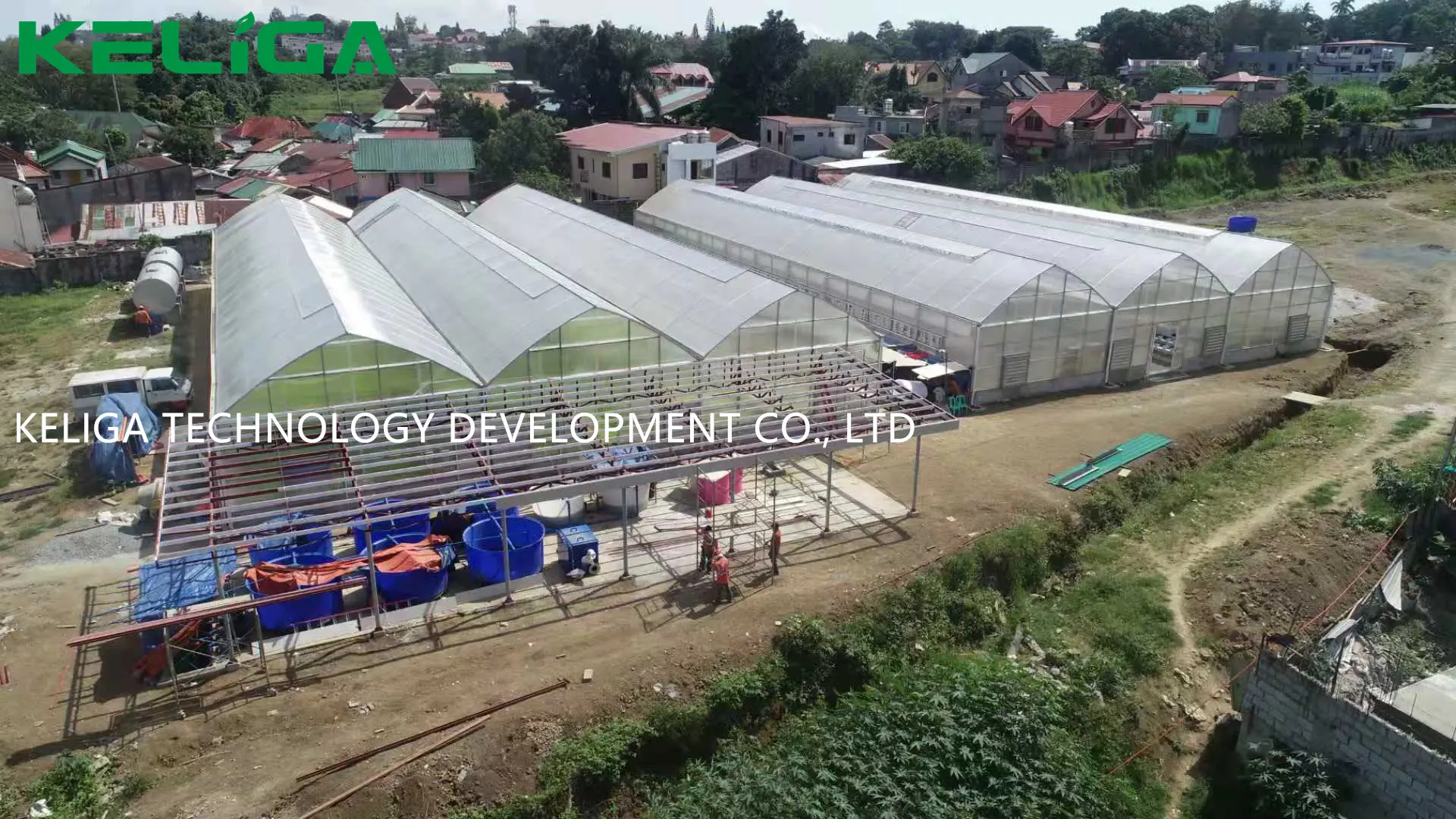
6,000 ㎡ Aquaponics System in Hondarribia, Spain
Located in Hondarribia, Spain, this 6,000-square-meter greenhouse is Europe’s large-scale commercial aquaponics base. It adopts a closed recycling loop, using fish waste as natural nutrients to cut chemical fertilizers and save over 90% water.
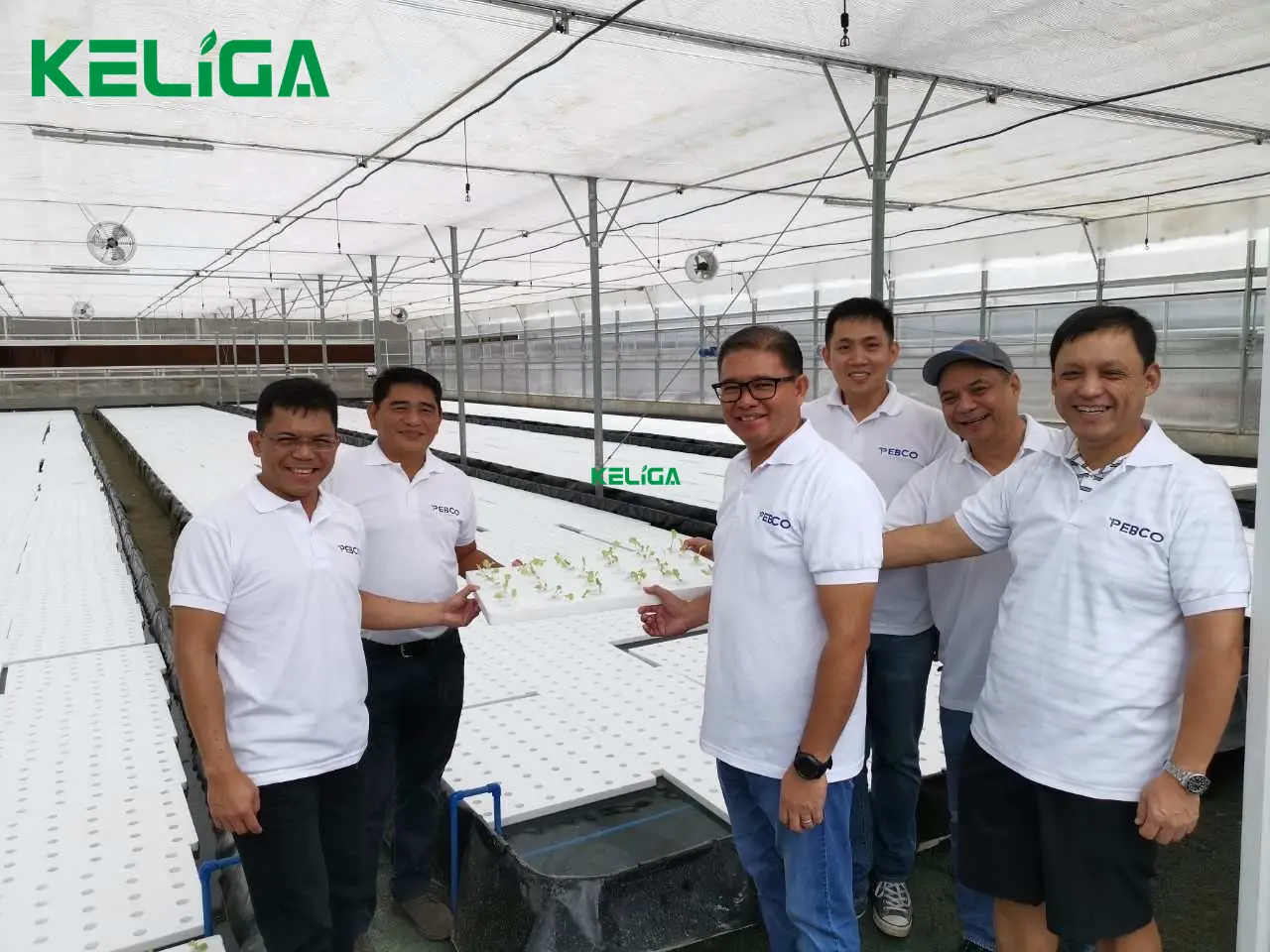
4,800 ㎡ Commercial Aquaponics System in Brussels, Belgium
This 4,800 ㎡ urban greenhouse in Brussels applies mature rooftop aquaponics technology for eco-friendly production. It purifies aquaculture sewage through crop roots to balance the ecological cycle and effectively reduce breeding pollution.
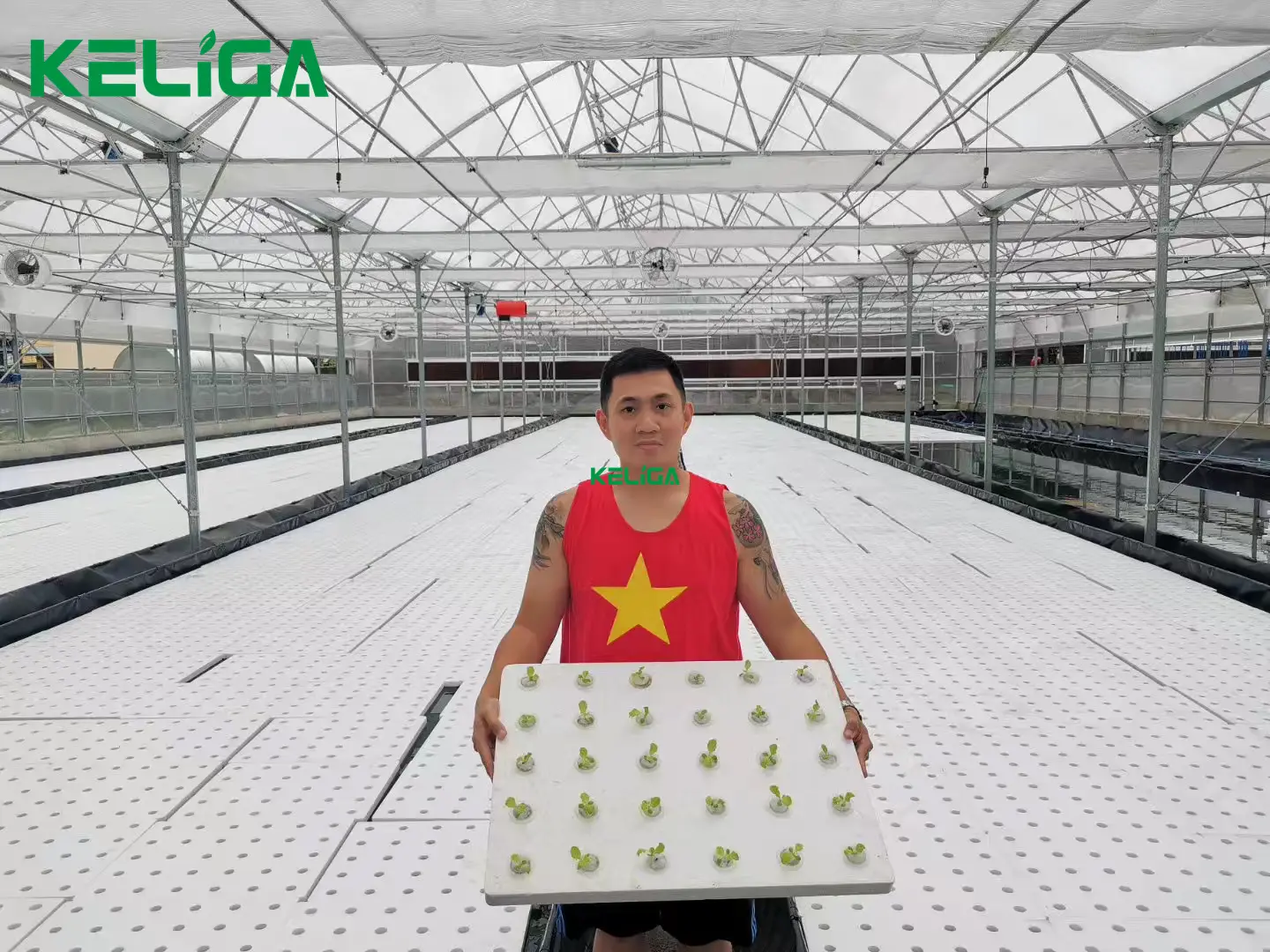
7,200 ㎡ Benefits of Aquaponics System in Philippines
Situated in Philippines this 7,200-square-meter greenhouse is a landmark aquaponics project in the Middle East. It adapts to high-temperature arid climates with efficient water circulation and boosts resource utilization.
- In traditional aquaculture
- As fish excreta accumulate
- The ammonia nitrogen in the water increases,
- And the toxicity gradually increases.
- In the fish vegetable symbiotic system, the water from aquaculture is transported to the hydroponic cultivation system.
- Bacteria decompose the ammonia nitrogen in the water into nitrite, which is then decomposed into nitrate by nitrifying bacteria.
- Nitrate can be directly absorbed and utilized by plants as nutrients. The symbiosis of fish and vegetables achieves a harmonious ecological balance between animals, plants, and microorganisms.

R&D Focus Areas
Circular Ecological Recycling
Fish waste provides natural nutrients for plants, while crops purify water for fish, forming a closed ecological cycle and cutting chemical fertilizer usage.
Ultra-high Water Saving Performance
Recirculating water design minimizes evaporation and waste, saving over 90% water compared with traditional soil planting, suitable for arid regions.
Dual Income & Economic Benefit
Realizes simultaneous production of fresh fish and organic vegetables in one system, diversifying income sources and improving overall greenhouse economic returns.
Low Disease & Pesticide Reduction
Balanced ecological environment restricts pathogen reproduction. No chemical fertilizers and fewer pesticides ensure safe, pollution-free agricultural products.
Modular & Simple Installation
Adopts standardized modular components with simple pipeline connection, easy on-site assembly, flexible layout and low later maintenance difficulty.
Stable Growth & High Yield
Constant water nutrition and balanced rhizosphere environment accelerate crop growth, shorten planting cycles and support year-round continuous greenhouse production.
5 Essential Conditions for an Aquaponics System
We focus on several core R&D areas, dedicated to solving key direction challenges in the energy storage sector.
Essential Conditions for an Aquaponics System
For a stable, productive aquaponics system, 5 key conditions must be met: water quality, biological balance, temperature, light, and mechanical reliability.
1. Water Quality Parameters
Parameter | Ideal Range | Why It Matters |
pH | 6.8 – 7.2 | Slightly acidic to neutral. Both nitrifying bacteria and most plants prefer this range. Too low or too high inhibits nutrient availability. |
Ammonia (NH₃) | < 0.5 ppm | Toxic to fish above this level. Should be rapidly converted by bacteria. |
Nitrite (NO₂⁻) | < 0.5 ppm | Intermediate toxin; must be kept low by bacterial action. |
Nitrate (NO₃⁻) | 20 – 80 ppm | Plant food. Higher levels are usually fine, but extreme levels (>200 ppm) may stress fish. |
Dissolved Oxygen (DO) | > 5 mg/L (preferably 6–8 mg/L) | Essential for fish respiration, root health, and nitrifying bacteria activity. |
Temperature | Depends on species (commonly 18–30°C / 64–86°F) | Must balance fish, bacteria, and plant needs. Warm-water fish (tilapia) + bacteria thrive at 24–28°C. |
Total Hardness (GH) | 50–150 ppm (as CaCO₃) | Provides calcium and magnesium for both fish/bacteria/plants. |
Alkalinity (KH) | 40–120 ppm | Buffers pH; prevents dangerous pH swings. |
2. Biological Balance
Mature nitrifying bacteria colony (Nitrosomonas and Nitrospira / Nitrobacter).
Takes 4–8 weeks to establish (cycling period).
Requires surface area (biofilter media, gravel, clay pebbles).
Appropriate fish stocking density: generally 0.5–1 kg of fish per 50 liters of water (varies).
Plant-to-fish ratio: roughly 1:1 by grow bed volume to fish tank volume (e.g., 100L fish tank → 100L grow bed).
Healthy plants – should actively absorb nitrates; otherwise nitrate will accumulate.
3. Environmental Conditions
Factor | Requirement |
Light | Plants: 12–16 hours per day (natural or LED/grow lights). Fish don’t need light, but algae control may require shading the tank. |
Air flow & oxygen | Aerate both fish tank and grow beds (e.g., air stones, venturi injectors, or cascade water return). |
Temperature stability | Avoid rapid changes (±2°C per hour). Insulate tanks or use heaters/coolers as needed. |
4.System Components & Mechanical Conditions
Water circulation pump: must run continuously (24/7) to prevent stagnation and bacteria die-off.
Flow rate: ~1–2 times the total system volume per hour.
Biofilter with adequate surface area (e.g., K1 media, lava rock, hydroton).
Mechanical filtration (optional but recommended): removes solid fish waste before it clogs roots or releases excess ammonia.
Backup power (air pump + circulation pump) for outages – critical if fish are stocked densely.
Leak-proof, food-grade materials (tanks, pipes). Avoid copper, zinc, or untreated wood.
5.Maintenance & Monitoring Conditions
Daily: Check water temperature, visual fish/plant health.
Every 2–3 days: Measure pH, ammonia, nitrite, nitrate – especially for new systems.
Weekly: Top up evaporated water (use dechlorinated water). Clean mechanical filters.
As needed:Adjust pH (using potassium hydroxide or calcium carbonate – never chemicals harmful to fish).
Add supplements (iron, calcium, potassium) if plants show deficiencies.
Remove dead leaves, uneaten feed, sludge at bottom.
Summary Table of Critical Conditions
Condition | Minimum Standard |
pH | 6.8 – 7.2 |
Ammonia + Nitrite | < 0.5 ppm each |
Dissolved oxygen | > 5 mg/L |
Water temperature | 20–28°C (for warm-water tropical system) |
Bacteria colony | Fully cycled (can convert 1–2 ppm ammonia to 0 within 24h) |
Continuous water flow | Pump runs 24/7 |
Light for plants | 12–16h/day (intensity ~200–400 µmol/m²/s for leafy greens) |
If any of these conditions are not met, system collapse (fish death, root rot, algae bloom, or pH crash) is likely.
Our Process
Steps to Your Greenhouse
1. Consult
We begin with a personalized consultation to capture your vision and needs.
2. Design
Our experts craft a detailed plan with eco-friendly practices for your approval.
3. Execute
Our skilled team transforms your space with precision and care.

The Goal
Our Mission
To transform outdoor spaces into beautiful, functional, and sustainable environments that enhance our clients’ lifestyles while respecting the natural world. We are committed to delivering exceptional service and innovative solutions through our passion for gardening and landscaping.
The Outlook
Our Vission
To be the leading provider of eco-friendly gardening and landscaping services, inspiring communities to embrace sustainable practices and appreciate the beauty of nature in their everyday lives. We envision a future where every outdoor space reflects harmony between human creativity and the natural environment.